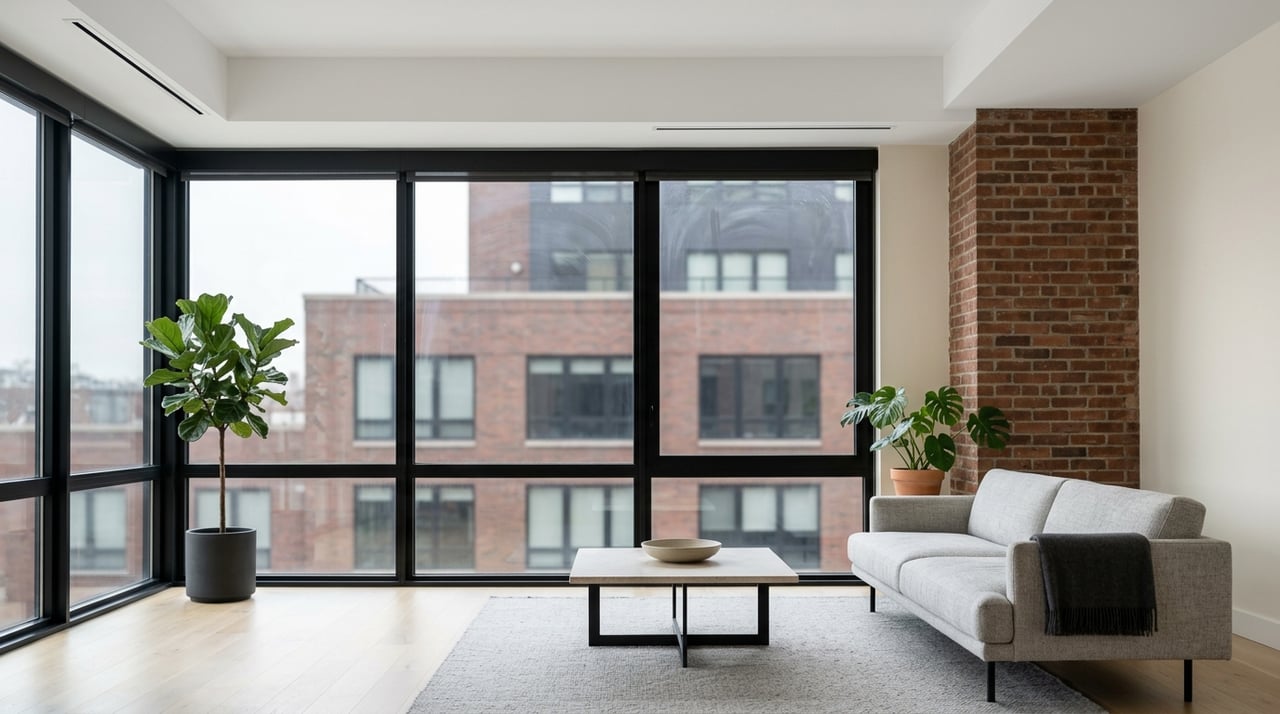
If you’re relocating to New York and want a luxury condo in the middle of Manhattan, NoMad is likely already on your radar. It offers a central location, a strong mix of newer condo towers and polished conversions, and a condo market that can be more practical for out-of-town buyers than many co-op-heavy neighborhoods. In this guide, you’ll get a clear look at NoMad pricing, building types, and what to evaluate before you buy. Let’s dive in.
Why NoMad stands out for relocating buyers
For many relocating buyers, NoMad hits a useful middle ground. It feels more tower-oriented than Gramercy, but generally less trophy-driven than the priciest Flatiron conversions. That gives you access to luxury inventory with a range of layouts, amenity packages, and price points.
The condo format matters too. According to the research provided, condos generally have more flexible financing rules and simpler application processes than co-ops. If you are moving on a timeline, buying from another city, or looking for a move-in-ready Manhattan base, that can make NoMad especially appealing.
NoMad luxury condo market snapshot
NoMad is a compact condo submarket, generally covering buildings between 24th and 29th Streets from Sixth Avenue to Park Avenue South. Based on CityRealty’s NoMad condo index, the current average is $2,072 per square foot across 87 closings over the past 12 months.
StreetEasy’s current NoMad snapshot shows 89 listings for sale and an overall median asking price of $2.675 million. By condo type, current asking medians are $1.625 million for one-bedrooms, $2.7375 million for two-bedrooms, and $4.95 million for three-bedrooms.
For buyers considering brand-new product, the active new development subset has a median asking price of $3.87 million and $2,608 per square foot. That gives you a helpful benchmark if you are comparing newer towers with resale condos in the same area.
New development vs. conversion condos
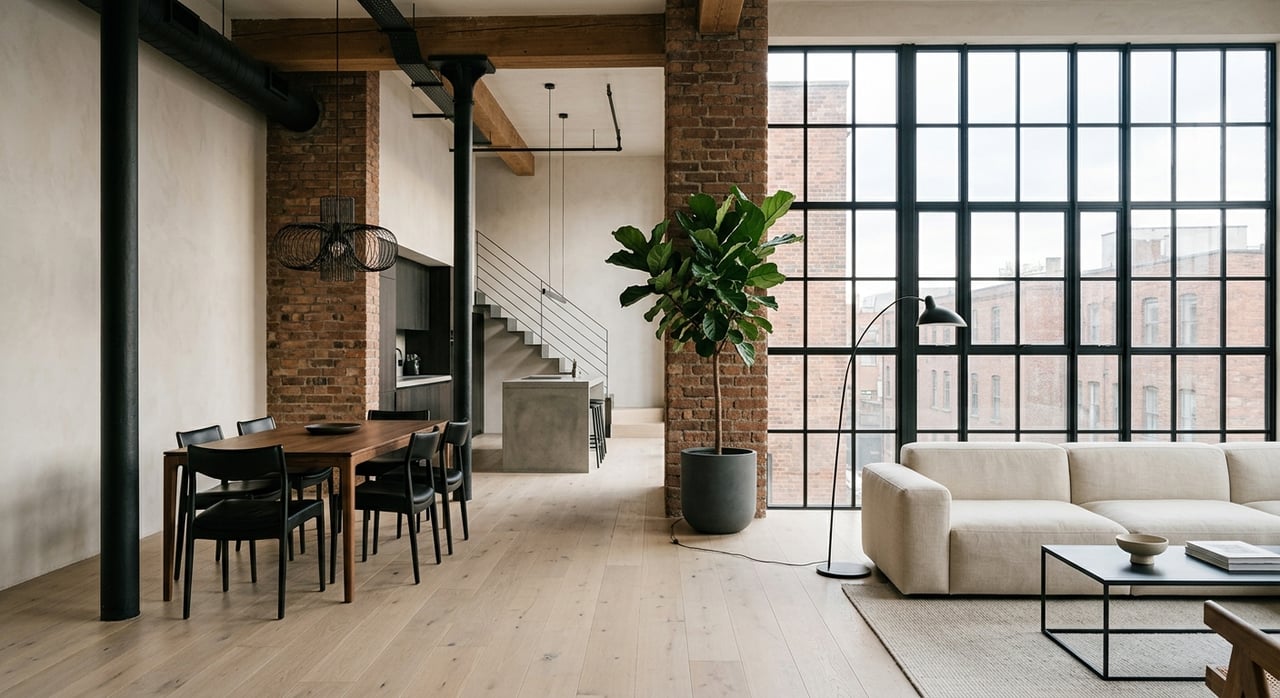
One of NoMad’s strengths is that it does not offer just one type of luxury product. You can choose between amenity-rich new towers and conversion buildings that often bring a different layout feel and character.
Newer developments tend to appeal to buyers who want modern systems, extensive amenities, and a more turnkey experience. Conversions may appeal to buyers who like established buildings, distinctive layouts, or a product that feels less standardized.
What newer towers offer
277 Fifth Avenue is a 2019, 55-story condo with 129 units and a two-floor amenity suite. Its current active listing average is about $2,513 per square foot, while recent sales average $2,803 per square foot.
Madison House, completed in 2022, is a 62-story tower with 199 units rising 805 feet. It includes more than 30,000 square feet of hotel-style amenities, and recent sales average $2,746 per square foot.
These buildings reflect the newer side of NoMad. If your priorities include newer construction, full-service living, and a strong amenity package, this segment may fit well.
What conversions can offer
At the conversion end, 10 Madison Square West is a 125-unit conversion and expansion of a former commercial building. It includes 24-hour staff, a 5,100-square-foot courtyard, and a 10,000-square-foot health club with a 60-foot lap pool.
Conversions can offer a different ownership experience than a ground-up tower. In some cases, you may find a more established identity, different floor plans, or a building profile that feels more tied to the surrounding streetscape.
Price ranges in notable NoMad buildings
If you are trying to set a realistic budget, building-level asking ranges can help. Based on the research provided, representative asking bands currently run roughly as follows:
- 277 Fifth Avenue: about $1.9 million to $3.6 million
- Madison House: about $3.3 million to $4.4 million
- 10 Madison Square West: about $2 million to $6.9 million
These ranges show how wide the luxury condo market can be even within a compact neighborhood. Your final target budget may depend on building age, views, amenities, unit size, and whether the apartment is resale or new development.
How NoMad compares with Gramercy and Flatiron
Relocating buyers often compare several downtown and midtown-adjacent neighborhoods at once. In that context, NoMad usually makes the most sense for buyers who want a very central Manhattan location and a larger concentration of luxury condo product.
StreetEasy describes Gramercy as quiet and laid-back, with a mix of private clubs, upscale co-ops, and townhouse blocks, and shows a $1.0 million median sale. Flatiron is described as historically commercial but now shaped by luxury new developments and converted lofts, with a $1.7 million median sale and a $6,000 median base rent.
The research notes that these figures are directional rather than perfect apples-to-apples comparisons because NoMad data here reflects active listings, while the Gramercy and Flatiron figures emphasize median sales. Even so, the broader takeaway is useful: NoMad sits in the middle of the downtown luxury spectrum.
Building-level pricing supports that idea. Recent sales per square foot are about $1,945 to $1,908 at The Tower at Gramercy Square and The Modern at Gramercy Square, about $2,475 at 10 Madison Square West, about $2,803 at 277 Fifth, and roughly $4,121 at the Flatiron Building conversion.
What relocating buyers should evaluate carefully
A beautiful lobby and polished marketing can get your attention, but your diligence should go deeper. In Manhattan, the quality of the building, the sponsor history, and the long-term financial picture all matter.
This is especially important if you are buying from out of state or trying to make decisions quickly. A disciplined review process can help you avoid surprises after contract signing.
Review the offering plan
The New York State Attorney General says you should read the entire offering plan and have a lawyer review it before signing. For new construction, the offering plan governs sponsor obligations.
For conversions, the offering plan should disclose visible defects or defects known to the managing agent. This makes the document one of the most important tools you have when evaluating risk.
Check the sponsor’s filing history
The New York State Attorney General’s offering-plan database lets you search by address, sponsor, or principal. Reviewing amendments and filing dates can give you added context on sponsor history.
For a relocating buyer, this can be especially helpful when you are evaluating a building from a distance. It gives you another layer of due diligence beyond marketing materials and listing photos.
Study financials and recurring costs
For converted buildings, review board minutes and recent financial statements for repairs, assessments, facade work, elevator issues, or other recurring costs. These items can affect both your ongoing ownership costs and your comfort with the building’s management.
Even in luxury product, not all expenses are obvious at first glance. Looking closely at the building’s paperwork can help you understand whether monthly costs are likely to stay stable or shift.
Compare listings with recent sales
It is smart to compare current active listings with recent sales in the same building. This helps you judge liquidity and whether current seller expectations are lining up with actual deal activity.
It also helps you pressure-test pricing in a building where you may only see a few units available at once. In a neighborhood like NoMad, building-by-building analysis often tells you more than broad averages alone.
Make sure amenities are real and maintainable
Amenity packages are a major part of NoMad’s appeal, but buyers should confirm that those amenities are fully delivered and realistically maintainable. The research specifically notes the importance of making sure the amenity package is not just rendered attractively in marketing materials.
That matters because amenities influence both lifestyle and monthly carrying costs. A strong package can be a real advantage, but only if it is complete, well-run, and sustainable.
Is NoMad a good fit for your move?
NoMad can be a strong fit if you want a central Manhattan location, luxury condo inventory, and a buying path that is often more straightforward than a co-op purchase. It also suits buyers who value newer towers, full-service buildings, and a polished, move-in-ready feel.
At the same time, the right purchase in NoMad depends on more than the neighborhood name. You want to match your budget, timeline, building preference, and risk tolerance to the right property and the right building structure.
For relocating buyers, that usually means balancing speed with diligence. The best outcomes tend to come from understanding not just the apartment, but the full building story behind it.
If you’re weighing a move to NoMad and want a clear, data-informed view of your options, Phyllis M Mehalakes can help you navigate the market with neighborhood insight and a calm, practical approach.
FAQs
What is the current luxury condo pricing in NoMad?
- Based on the research provided, NoMad condos average $2,072 per square foot over the past 12 months, and the current overall median asking price is $2.675 million.
Why do relocating buyers often prefer condos in NoMad?
- Condos generally have more flexible financing rules and simpler application processes than co-ops, which can be helpful if you are moving on a tight timeline or buying from outside New York City.
What is the difference between new development and conversion condos in NoMad?
- New developments in NoMad often emphasize modern systems and extensive amenities, while conversion condos may offer a different building character, layout style, and ownership experience.
How does NoMad compare with Gramercy and Flatiron for luxury buyers?
- The research suggests NoMad sits between Gramercy and Flatiron in the downtown luxury spectrum, with more tower-oriented inventory than Gramercy and generally less trophy-driven pricing than the priciest Flatiron conversions.
What documents should a NoMad condo buyer review before signing?
- The research recommends reviewing the full offering plan with a lawyer, checking the New York State Attorney General offering-plan database, and studying financial statements, board minutes, and recent sales within the building.