If you are choosing between a West Village townhouse and a condo, you are not just picking a floor plan. You are choosing a style of ownership, a level of responsibility, and a very different day-to-day experience in one of Manhattan’s most preservation-sensitive neighborhoods. The good news is that once you understand the tradeoffs around privacy, maintenance, monthly costs, and renovation limits, the decision gets much clearer. Let’s dive in.
Why this choice matters in West Village
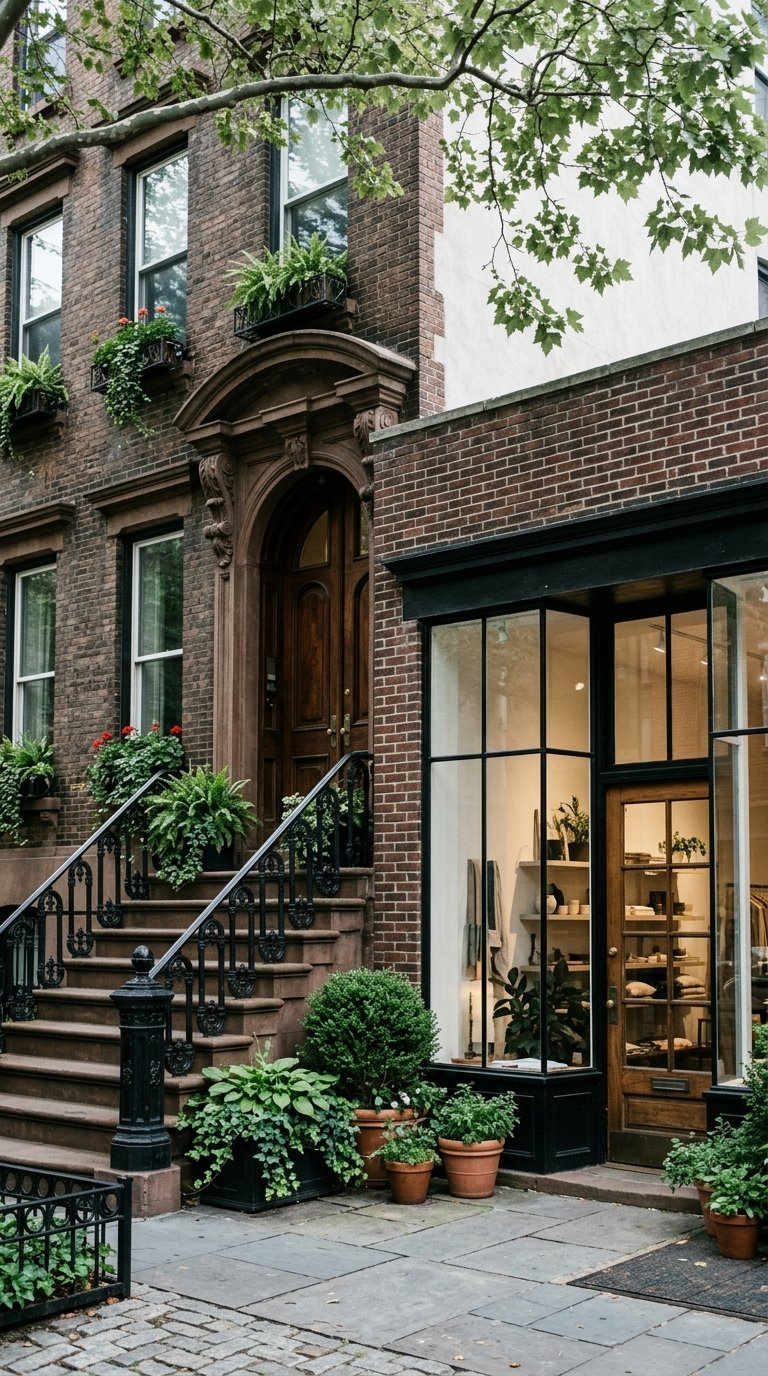
In West Village, the legal structure of a property matters almost as much as its look. The area includes 19th-century row houses, converted loft buildings, West Village Houses, and newer residential buildings, so two homes that seem similar from the street can come with very different ownership rules.
That matters because West Village is also highly shaped by preservation rules. In landmarked areas, changes to designated properties can require Landmarks Preservation Commission approval, especially when exterior work is involved. If you are comparing a townhouse with a condo, that approval process can affect your timeline, budget, and renovation plans.
The market also supports a more careful comparison. In March 2026, West Village had 29 recorded transactions, with a median sale price of $1.3 million overall and a condo median of $2.8 million. Townhouse data was too limited that month for a reliable median, which is a useful reminder that townhouse pricing here can be more block-by-block and condition-driven than neighborhood averages suggest.
Townhouse vs condo basics
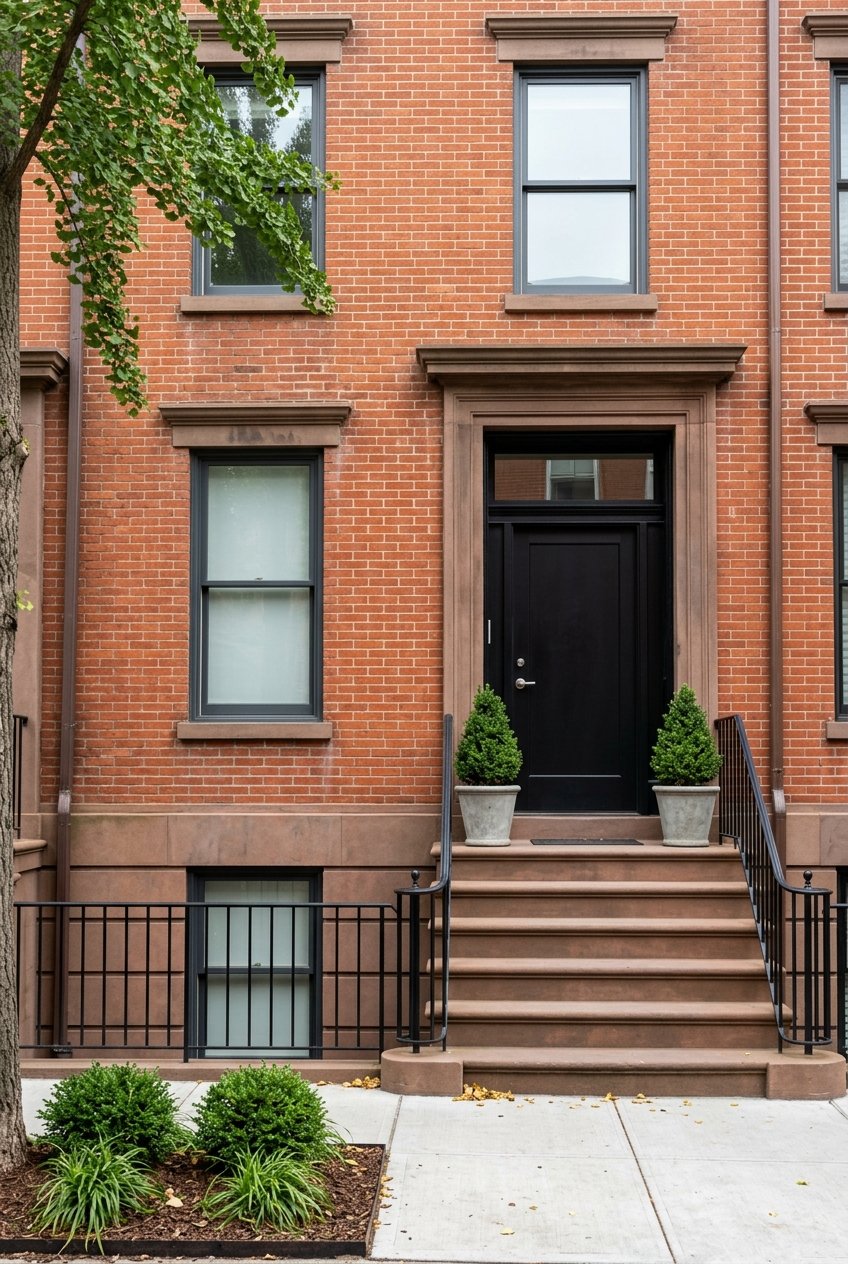
At the simplest level, a townhouse usually gives you more direct control over your home. It often includes multiple floors, a private entrance, and better odds of true private outdoor space.
A condo is different. You own an individual unit within a larger building or community, while shared areas and certain building functions are managed collectively. That often creates a more streamlined ownership experience, but it also means shared governance and monthly common charges.
One important caution in West Village: a townhouse-looking home is not always a fee-simple townhouse. Some properties that appear to be townhouses are actually townhouse-style condos, so the deed structure and offering plan matter more than the facade.
Privacy and lifestyle fit
When a townhouse may feel right
If privacy is high on your list, a townhouse often has the edge. A private entrance and fewer shared touchpoints can create a quieter, more independent experience that many long-term owners value.
Townhouses can also make daily living feel more personal. If you want separation between living areas, more control over how you use the space, or a stronger sense of owning the whole home rather than one unit within a building, this format often aligns better.
When a condo may feel easier
If you want simplicity, a condo often checks that box. Building-managed common areas and pooled maintenance responsibilities can make it easier to lock the door and leave without thinking about exterior upkeep in the same way a townhouse owner might.
That can be especially appealing if you split time between homes or want a lower-maintenance base in Manhattan. You still need to review the condo’s rules carefully, but many buyers appreciate the predictability that comes with a more managed structure.
Outdoor space and daily use
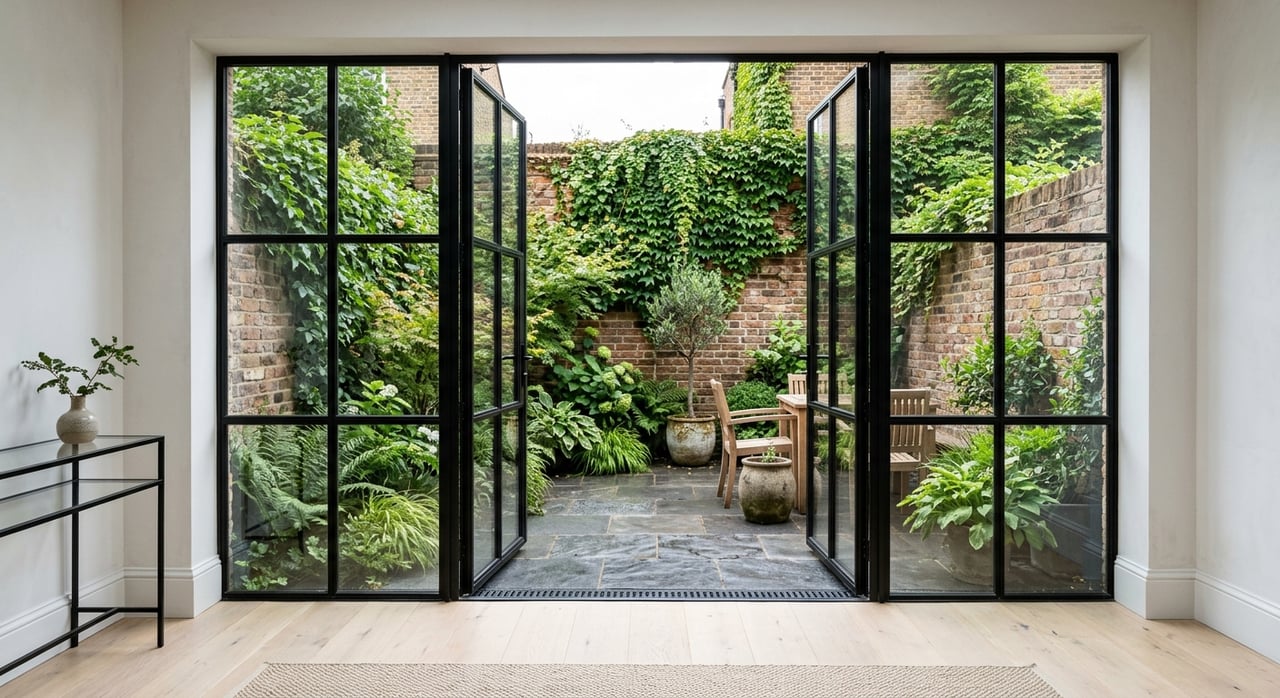
Outdoor space can be a deciding factor in West Village. Townhouses generally offer better odds of having true private outdoor space, such as a deck, patio, or garden area.
With condos, outdoor access may come in a different form. You may have shared amenities or building outdoor areas, but the level of privacy and control is often not the same as what a townhouse can provide.
If private outdoor use is a top priority, that should be part of your first-pass screening. In West Village, where private exterior space can feel especially valuable, this one feature can quickly narrow the field.
Maintenance is where the choice gets real
Townhouse maintenance
A townhouse gives you more control, but it also puts more responsibility directly on you. Repairs, capital work, insurance decisions, and ongoing upkeep are less pooled and more personal.
That does not automatically make townhouse ownership worse or more expensive in every case. It does mean you need to budget for the real cost of maintaining the property over time, not just the mortgage payment.
Condo maintenance
With a condo, your monthly charges may cover exterior repairs, common-area maintenance, insurance, reserve funding, and shared amenities. That pooled structure can make month-to-month ownership feel more predictable.
Still, “predictable” does not mean fixed forever. Common charges can rise, and buildings may impose special assessments for major one-time expenses, so it is important to look beyond the current monthly number.
Compare the monthly carrying costs clearly
Many buyers compare a townhouse and condo by looking at the asking price first. In reality, the better comparison is your full monthly carrying cost.
A practical model should include:
- Mortgage payment
- Property taxes
- Insurance
- Condo or HOA charges, if any
- Repairs and maintenance reserve
That broader view matters because ongoing non-mortgage expenses can account for about half of total homeownership costs over a typical seven-year cycle. In other words, a lower mortgage payment does not always mean a home is easier to carry.
New York City tax details to know
In New York City, tax class can affect how you evaluate a property. Class 1 generally includes one- to three-unit residential properties, while Class 2 includes residential properties with more than three units, including condos and co-ops.
For condo buyers, there is also a potential co-op/condo property tax abatement, but it is not automatic. The unit must be your primary residence, and the building must apply for the benefit. If you are buying a pied-à-terre or occasional-use property, you should not assume that abatement will apply.
Renovation and landmark rules in West Village
Why townhouses need extra planning
If you love the idea of customizing a West Village townhouse, be realistic about the process. On landmarked blocks, work that affects the exterior and, in some cases, the interior of designated properties can require Landmarks Preservation Commission review.
That does not mean you cannot improve the property. It means the work needs to fit the character and style of the building or historic district, and that can add time and process to a renovation.
Condo renovations can be simpler, but not simple
A condo may reduce some of the exterior and building-envelope decisions that come with townhouse ownership. Even so, renovation is never just about your design ideas.
You still need to understand building rules, alteration procedures, and what is allowed within the unit. The key point is that if you are renovation-minded, a townhouse may offer a bigger long-term canvas, while a condo may offer a narrower but sometimes more manageable path.
Financing and diligence are not identical
Condos come with an added layer of underwriting. Lenders often review not just your finances, but also the project itself, including the building’s condition, insurance, financial stability, litigation, and whether the condo is considered warrantable.
That extra review can affect timing and cost. Some lenders may also charge slightly more for condo loans, so financing should be part of your comparison from the start rather than an afterthought.
For townhouses, the diligence focus often shifts more heavily to the property itself. Condition, deferred maintenance, tax treatment, and any landmark-related approval needs can all play a larger role.
Which option fits your goals best?
Condo may be a better fit if you want:
- More lock-and-leave convenience
- Building-managed upkeep
- More predictable pooled monthly obligations
- A simpler occasional-use setup, subject to building rules
Townhouse may be a better fit if you want:
- More privacy
- Better odds of private outdoor space
- Greater long-term control over the property
- A home that can support a longer-horizon renovation vision
In West Village, neither option is universally better. The better choice is the one that matches how you plan to live, how much responsibility you want to take on, and how comfortable you are with process.
Questions to answer before you make an offer
Before you move forward on either property type, make sure you can answer these clearly:
- Is this a fee-simple townhouse, a townhouse-style condo, or another ownership form?
- Is the property in a designated historic district or individually landmarked?
- What work would require Landmarks Preservation Commission approval?
- What do the monthly charges include?
- How strong is the reserve fund?
- Are there pending special assessments or lawsuits?
- If tax savings matter, does the condo qualify for the NYC co-op/condo abatement for a primary residence?
These questions can save you from comparing two homes on appearance alone. In West Village, that is often where buyers get tripped up.
A clear way to decide
If you want a practical rule of thumb, start here. A condo usually makes more sense if you value convenience, pooled upkeep, and a more managed ownership experience.
A townhouse usually makes more sense if you value privacy, outdoor space, and long-term control, and you are prepared for more direct maintenance and potential preservation-related friction. In West Village, clarity comes from matching the property type to your real lifestyle, not just the listing photos.
If you want help weighing a specific West Village townhouse or condo, Phyllis M Mehalakes can help you compare the ownership structure, carrying costs, and block-by-block context with the kind of neighborhood-specific guidance that makes NYC decisions easier.
FAQs
What is the main difference between a West Village townhouse and condo?
- A townhouse usually offers more privacy, a private entrance, and more direct control, while a condo usually offers a more managed ownership experience with shared building responsibilities.
Are West Village townhouses always fee-simple properties?
- No. Some homes that look like townhouses are actually townhouse-style condos, so you need to confirm the deed structure and offering plan.
Do West Village condos usually have lower maintenance responsibility?
- Often yes, because common charges may cover exterior repairs, shared areas, insurance, and reserve funding, but you still need to review what those charges actually include.
Do landmark rules affect West Village townhouse renovations?
- Yes. In landmarked areas, changes that affect designated properties may require Landmarks Preservation Commission approval, which can affect timing and scope.
Can a West Village condo qualify for a property tax abatement?
- It may, but only if the unit is your primary residence and the building applies for the NYC co-op/condo abatement.
Which is usually better for a pied-à-terre in West Village, a townhouse or condo?
- A condo is often the more practical fit for occasional use because it can offer a lower-maintenance, lock-and-leave setup, subject to the building’s rules.
What costs should you compare when choosing a West Village townhouse or condo?
- You should compare mortgage, property taxes, insurance, condo or HOA charges, and a realistic reserve for repairs and maintenance.