Curious why the West Village feels so different from much of Manhattan? Spend a day walking its blocks and the answer becomes clear fast: lower-rise streets, preserved historic buildings, small storefronts, and a riverfront finish that makes the neighborhood feel both intimate and connected. If you are thinking about buying, selling, or simply getting to know this part of downtown better, this guide will help you see how the West Village’s streetscape shapes daily life and housing choices. Let’s dive in.
Why the West Village Feels Distinct
The West Village is often understood as the quieter, more intimate western edge of Greenwich Village. That feeling is not accidental. The New York City Landmarks Preservation Commission notes that the broader Greenwich Village Historic District was designated in 1969 and remains the largest historic district in New York City.
That preservation history still matters today. The commission says designated buildings and buildings within historic districts are protected under the Landmarks Law, and many exterior changes require prior approval. At the same time, landmark status does not stop change entirely, since appropriate alterations and new construction can still move forward.
For you as a buyer or seller, that helps explain why the neighborhood has such a strong sense of continuity. The streets feel visually cohesive, but the housing stock is more varied than many people expect.
Start Near 14th Street
A practical way to experience the West Village is to start near the 14th Street transit corridor and walk south. This approach matches how many people actually enter the neighborhood, whether from the subway, PATH, or nearby avenues.
The MTA neighborhood map shows several nearby stations, including 14 St on the 1, 2, and 3; 14 St on the A, C, and E; 14 St on the F and M; and stations for the L at 6 Av and 8 Av. PATH also serves Christopher Street, 9th Street, and 14th Street, which adds a direct New Jersey connection.
That level of access is part of the neighborhood’s appeal. You get a low-rise, walkable environment without giving up strong transit options.
Bleecker Street Sets the Pace
As you move south, Bleecker Street often becomes the first major signal that you are in the West Village. It remains one of the best-known shopping and dining streets in the area, but the experience is less about big retail and more about smaller-scale storefronts and a lived-in street rhythm.
Recent neighborhood guides point to Bleecker as a center of independent boutiques and downtown character rather than a corridor defined by chain stores. That distinction matters because it supports the West Village’s identity as a place where commercial life still fits the scale of the surrounding blocks.
For buyers, this is where lifestyle starts to become tangible. You are not just evaluating square footage or building type. You are also seeing how easy it is to build a day around walking, browsing, dining, and circling back home on foot.
Hudson, Grove, and the Side-Street Experience
One of the West Village’s biggest strengths is that the appeal does not stop at one shopping street. Guides to the neighborhood consistently point to Hudson, Grove, West 10th, and nearby blocks as part of the same walkable experience.
This is where the West Village often feels most balanced. You can move from a busier retail stretch to a quieter block in a matter of minutes, and that shift is part of what people respond to when they say the neighborhood feels human-scaled.
A few long-running local names help anchor that mood. Three Lives & Company on West 10th Street, for example, has been part of the neighborhood since 1968, while shops on Hudson offer a calmer boutique feel away from busier corners.
Brownstones, Row Houses, and What You Are Really Seeing
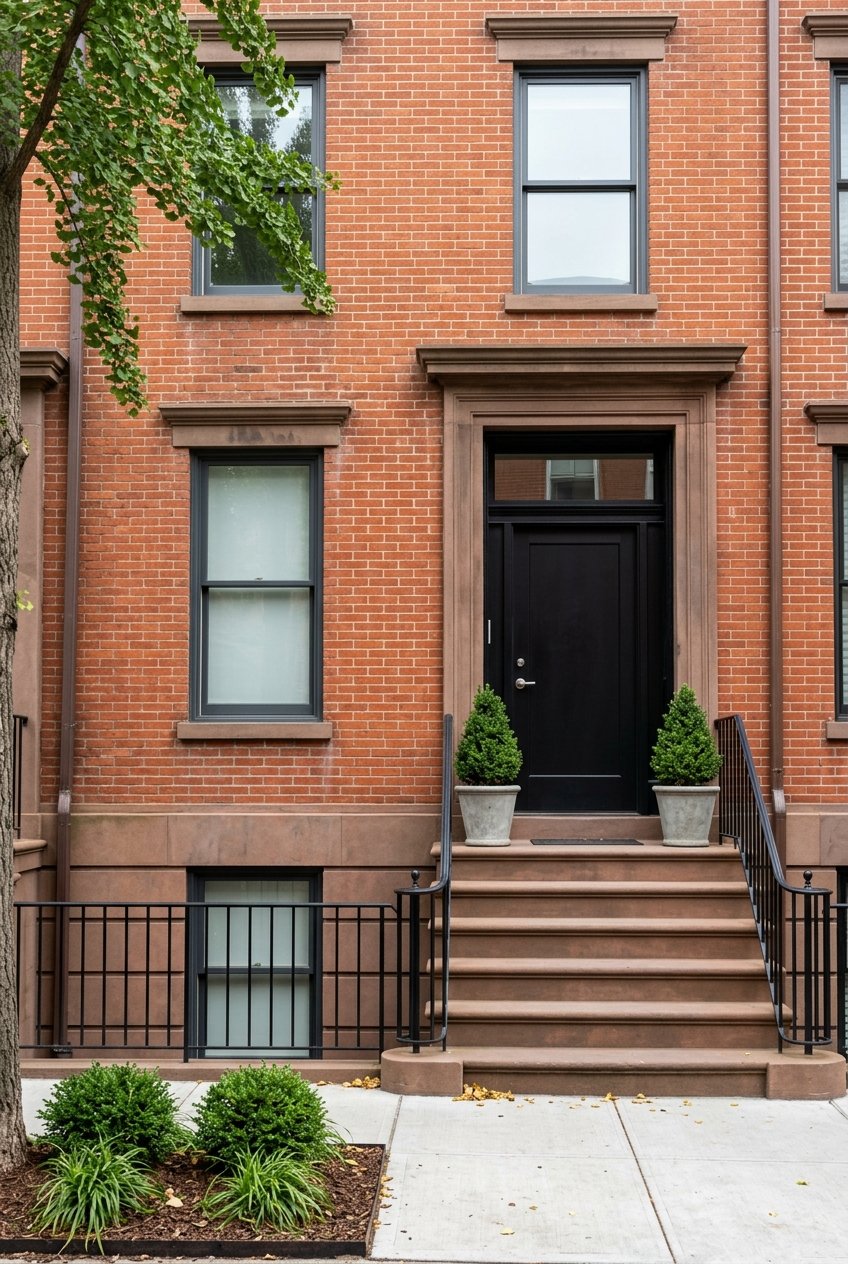
If you picture the West Village as a brownstone neighborhood, you are only partly right. The Landmarks Preservation Commission and New York City Planning both describe a more layered housing mix that includes early 19th-century Federal-style row houses, later apartment houses, converted warehouse and stable buildings, walk-up apartments, and a small number of newer residential buildings.
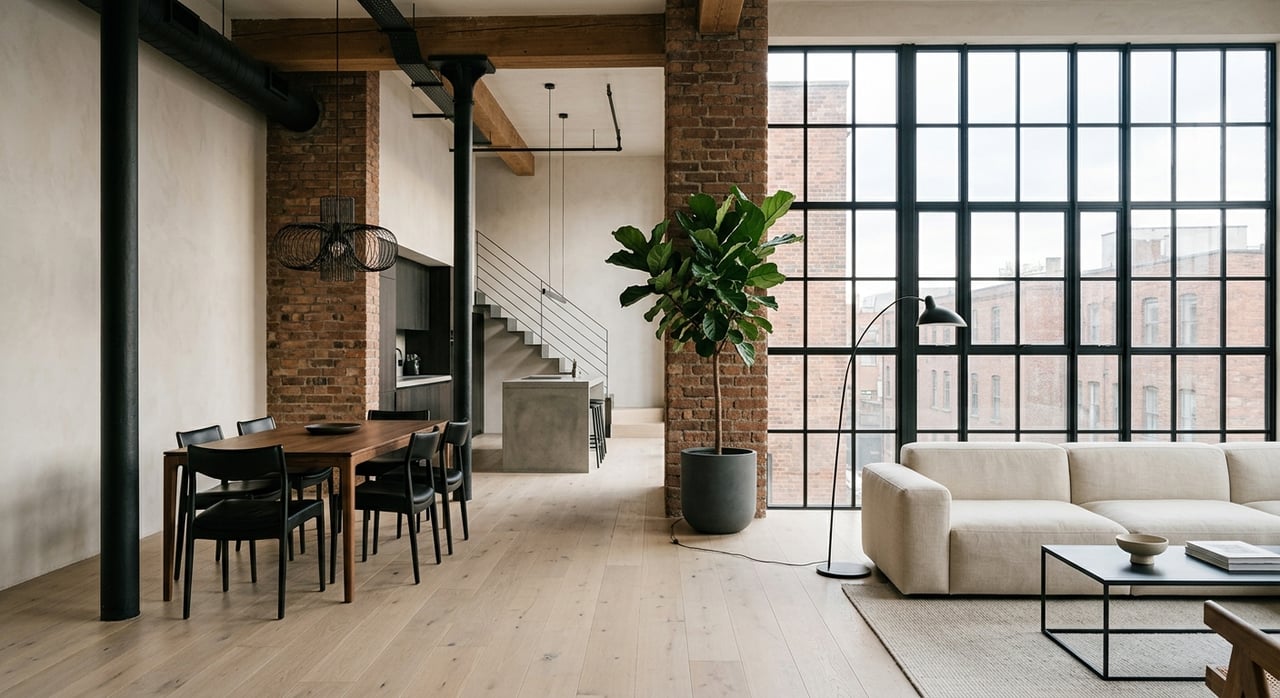
That mix is one reason the neighborhood appeals to different kinds of buyers. You can find townhouse-scale living on certain blocks, apartment-oriented options that reduce maintenance, and loft-like conversions that reflect the area’s older industrial history.
For a real estate search, that means your first question should not be just, “Do I want the West Village?” It should also be, “What kind of West Village living fits me best?”
Streets Known for Historic Residential Character
Certain streets stand out if you are drawn to classic townhouse and brownstone appeal. Charles Street, Perry Street, West 10th Street, and Washington Street are strongly associated with historic row houses, stoops, and a quieter residential feel.
These blocks often attract buyers who value privacy, architectural detail, and a more traditional streetscape. They also tend to deliver the visual character many people imagine when they think about Village living.
From a seller’s perspective, that street-by-street identity matters. In the West Village, the block itself can be a meaningful part of the property story.
More Than Townhouses
Not every West Village buyer wants townhouse maintenance or a single-family layout. The neighborhood also includes converted loft buildings, walk-up apartment houses, and other apartment-style options that offer a different day-to-day experience.
New York City Planning also identifies the West Village Houses along Washington Street as a defining mid-1970s residential complex in the neighborhood. For some buyers, that kind of apartment-oriented housing provides a practical way to enjoy the Village fabric while keeping the living format more straightforward.
On the far western edge, there are also newer and taller residential buildings on West Street. These can appeal to buyers who want the neighborhood location but prefer a more modern building type.
Why the Scale Matters
One of the West Village’s most valuable qualities is its scale. City Planning notes that some blocks, including Charles Lane, are lined with two-story residential buildings, which helps create a village-like feeling that is unusual in Manhattan.
That lower-rise environment shapes more than appearance. It changes how sunlight hits the street, how storefronts meet the sidewalk, and how the neighborhood feels when you walk it at different times of day.
For many buyers, this is the difference between liking a neighborhood on paper and feeling at home in it in person. The West Village often wins people over through proportion and texture as much as through amenities.
Shops and Cafes Inside the Residential Fabric
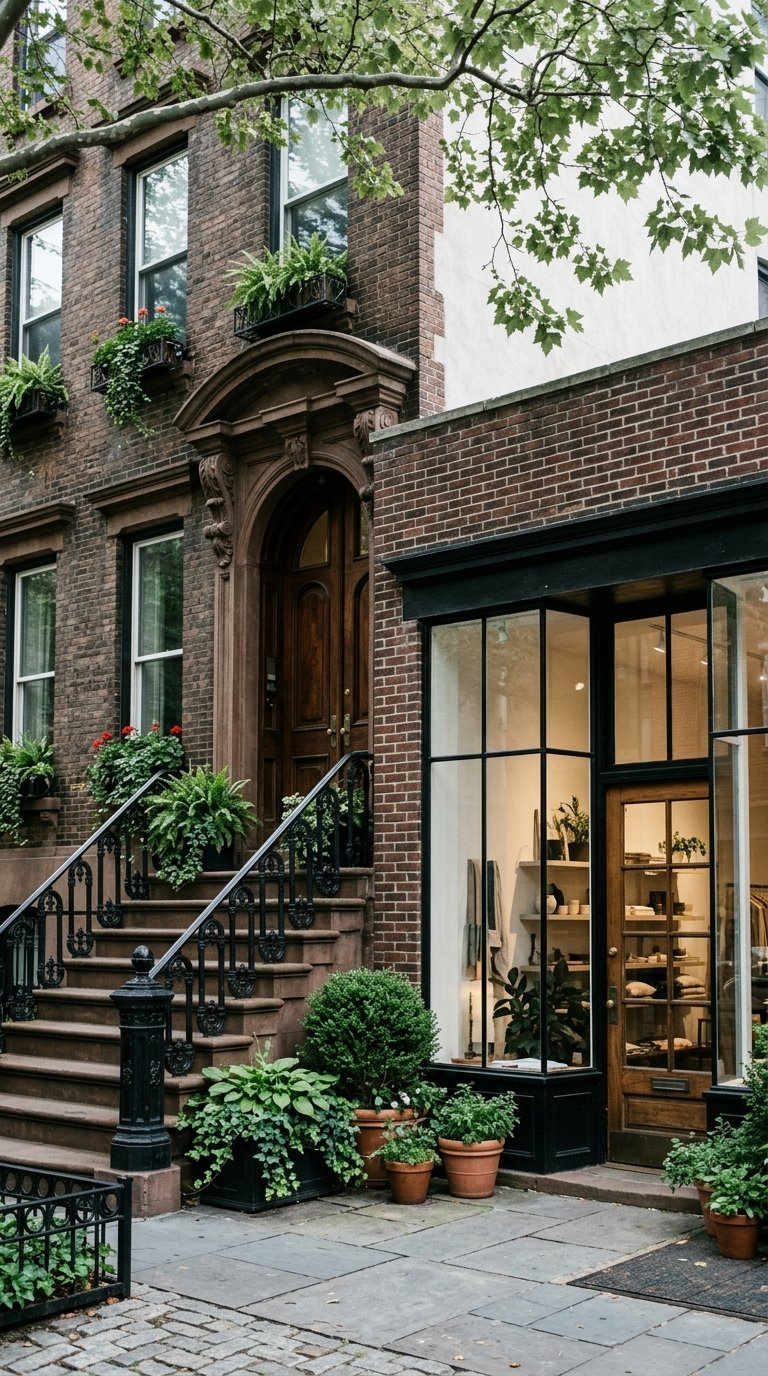
Dining and shopping in the West Village work differently than they do in many denser commercial districts. Restaurants and boutiques often sit directly within residential streets, so the experience feels woven into the neighborhood rather than separated from it.
That is part of the reason a simple meal or coffee run can feel especially appealing here. Neighborhood guides highlight places like I Sodi and Via Carota not just for food, but for how naturally they fit into the brownstone-and-storefront setting.
The Village Alliance also helps support that street environment through sanitation, public safety, and public-space maintenance in Greenwich Village’s commercial corridors. For residents, that kind of behind-the-scenes stewardship can make everyday blocks feel more welcoming and functional.
End at Christopher Street and the Waterfront
A day in the West Village feels complete when the walk reaches Christopher Street and the riverfront. Hudson River Park’s Greenwich Village section runs from Canal Street to Gansevoort Street and includes an uninterrupted esplanade, views of Lower Manhattan and New York Harbor, lawns, piers, and open-air public spaces.
This part of the neighborhood adds a very different dimension to daily life. After townhouse blocks, shops, and cafes, you can end the day at the water without leaving the neighborhood’s orbit.
Hudson River Park reports more than 17 million visits each year, and it is easy to understand why. For local residents, the park offers room to walk, sit, bike, or simply look outward, which is a powerful complement to the tighter street grid inland.
What This Means for Buyers and Sellers
If you are buying in the West Village, the neighborhood rewards careful, block-by-block thinking. Historic row houses, apartment houses, loft conversions, and newer buildings each offer a different version of West Village living, and the right fit depends on how you want to use the space and the neighborhood around it.
If you are selling, the key is to position the property within that specific local context. In this market, buyers often respond to the combination of building type, block character, preservation context, walkability, and access to the river and transit.
That is where a neighborhood-savvy, data-informed approach matters. The West Village is not one-note, and the strongest real estate decisions here usually come from understanding its nuances rather than relying on a broad label.
If you are considering a move in the West Village, Phyllis M Mehalakes can help you evaluate the neighborhood with the kind of block-level perspective that makes a difference in Manhattan real estate.
FAQs
What makes the West Village different from other Manhattan neighborhoods?
- The West Village stands out for its lower-rise streets, historic district protections, varied housing stock, small-scale retail corridors, and direct access to Hudson River Park.
What types of homes can you find in the West Village?
- The neighborhood includes historic row houses, brownstones, apartment houses, walk-up buildings, converted lofts, the West Village Houses complex, and some newer residential buildings on the far western edge.
Which West Village streets are known for brownstones and row houses?
- Charles Street, Perry Street, West 10th Street, and Washington Street are closely associated with historic row houses, stoops, and a quieter residential feel.
Is the West Village good for apartment buyers too?
- Yes. In addition to townhouses, the area offers apartment houses, converted loft buildings, and other apartment-oriented options that can suit buyers who want less maintenance.
How is transit access in the West Village?
- The neighborhood is served by nearby subway stations at and around 14th Street, the Christopher St-Stonewall station on the 1 line, West 4 St-Washington Sq, and PATH stations including Christopher Street, 9th Street, and 14th Street.
What does landmark status mean in the West Village?
- Many buildings are within historic districts, which means exterior changes often require review and approval under the Landmarks Law, although appropriate alterations and new construction can still occur.
Why is Hudson River Park important to West Village living?
- Hudson River Park gives the neighborhood a major outdoor amenity with an esplanade, piers, open lawns, and water views, adding a strong recreational and lifestyle element to daily life in the area.