Looking for a Manhattan neighborhood where your daily routine can include a park walk, gallery browsing, waterfront views, and dinner options all within a few blocks? Living near the High Line in Chelsea offers exactly that mix, but it also comes with real trade-offs in price, pace, and block-by-block character. If you are considering buying or renting in this part of Chelsea, understanding how the housing, public space, and street experience fit together can help you make a smarter move. Let’s dive in.
Why Chelsea Near the High Line Stands Out
Chelsea near the High Line feels different because public space shapes the neighborhood as much as the buildings do. The High Line is a 1.45-mile elevated public park running from Gansevoort Street to West 34th Street between 10th and 11th Avenues, creating a green corridor above the street.
That elevated park is only part of the story. Along the river, Hudson River Park adds another major layer of open space with nearby destinations that include Chelsea Waterside Park, Pier 57, Pier 66a and 66, Gansevoort Peninsula, and Little Island. With Hudson River Park drawing more than 17 million visits each year, it is easy to see why this area often feels active and highly trafficked.
If you are choosing a home here, that matters. You are not just choosing an apartment or townhouse. You are also choosing a lifestyle shaped by a vertical greenway, a waterfront park system, and a steady flow of residents and visitors.
Homes Near the High Line
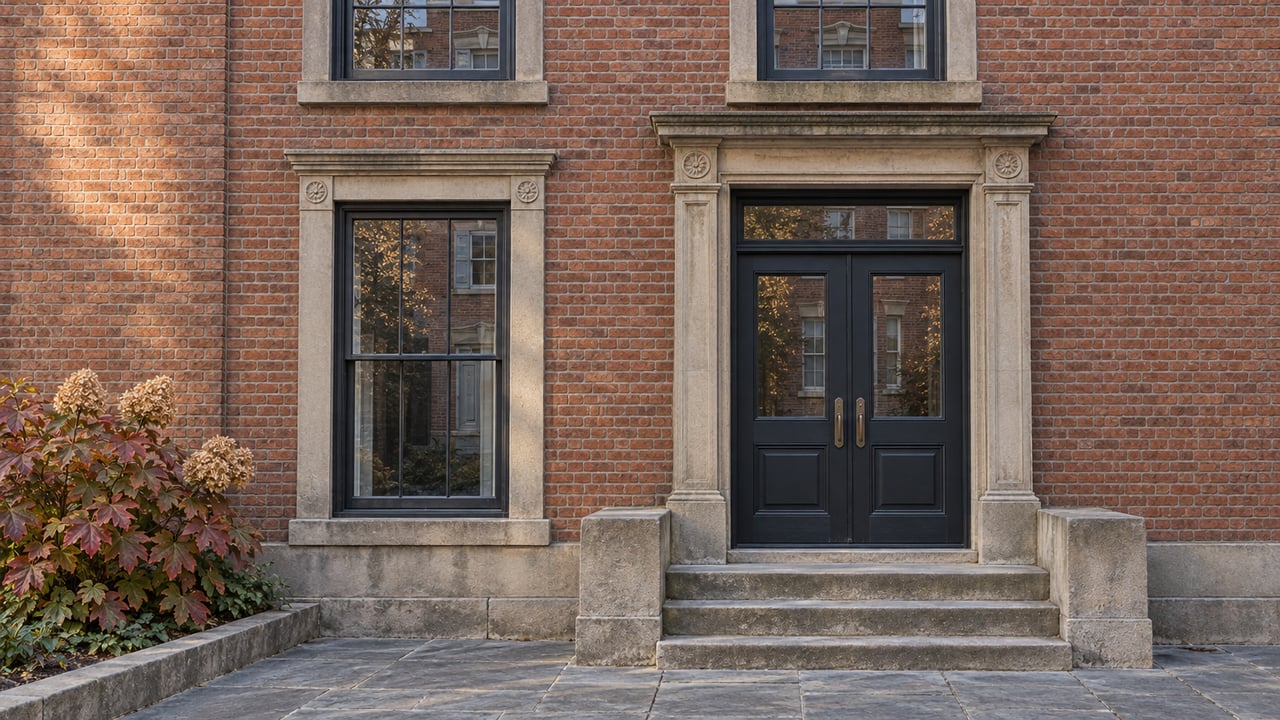
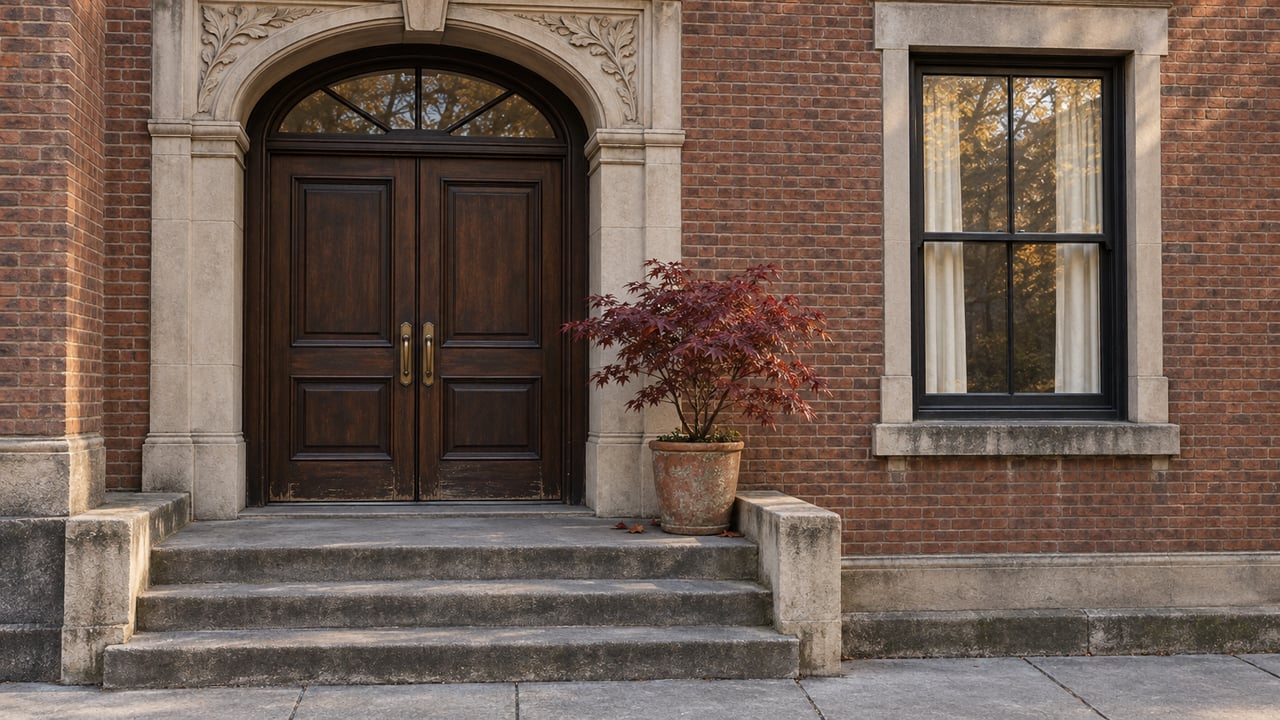
Chelsea has one of Manhattan’s more varied housing mixes, and that variety is especially visible near the High Line. According to NYC Planning, the area includes brownstone row houses, prewar apartment buildings, four- to five-story brick tenements, loft and warehouse buildings, and taller apartment towers.
That mix gives buyers and renters several very different living experiences within a relatively compact area. On quieter side streets, you may find historic townhouses and prewar co-ops. Closer to the western blocks and gallery corridors, loft-style spaces and converted industrial buildings are part of the landscape. Near newer development zones, condos often appeal to buyers who want views and building amenities.
StreetEasy’s current neighborhood snapshot reflects that range. It notes that new condos along the High Line sit alongside prewar co-ops and historic townhouses, with a median sale price of $1.3 million and a median base rent of $5,500.
Building Character Varies by Block
One of the most important things to understand about Chelsea is that the neighborhood is geographically wide, and daily convenience can change meaningfully from one block to the next. StreetEasy notes that subway access varies depending on where you are, which can affect how connected your block feels.
The architecture shifts as well. NYC Planning describes Tenth Avenue as wide, with narrower cross streets, while west of Tenth Avenue many buildings historically served industrial and creative uses. This helps explain why some blocks feel more residential and intimate, while others feel more open, commercial, or design-driven.
Views and Exposure Matter
In this part of Chelsea, exposure can be a meaningful value driver. Because of the street geometry and parts of the low-rise building fabric, some apartments can offer appealing eastward views toward Midtown or westward views toward the Hudson River and the New Jersey skyline.
Higher-floor apartments and west-facing units often draw attention for that reason. If views, light, and openness are high on your list, the exact position of a unit within the building can matter almost as much as the building itself.
Chelsea’s Loft and Industrial Identity
The area’s industrial past still shapes its housing identity today. The Landmarks Preservation Commission describes the West Chelsea Historic District as a rare surviving industrial neighborhood with warehouse complexes and the early Modernist Starrett-Lehigh Building, and notes that the district retains nearly all of its historic building stock.
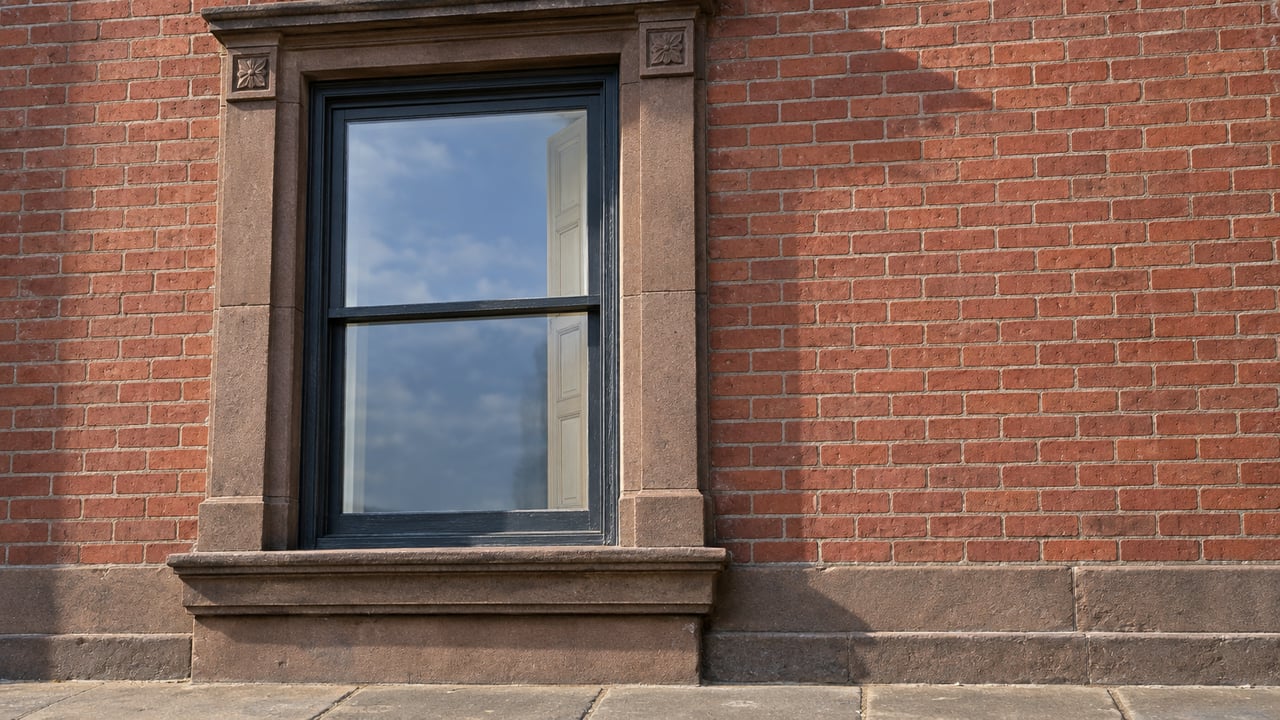
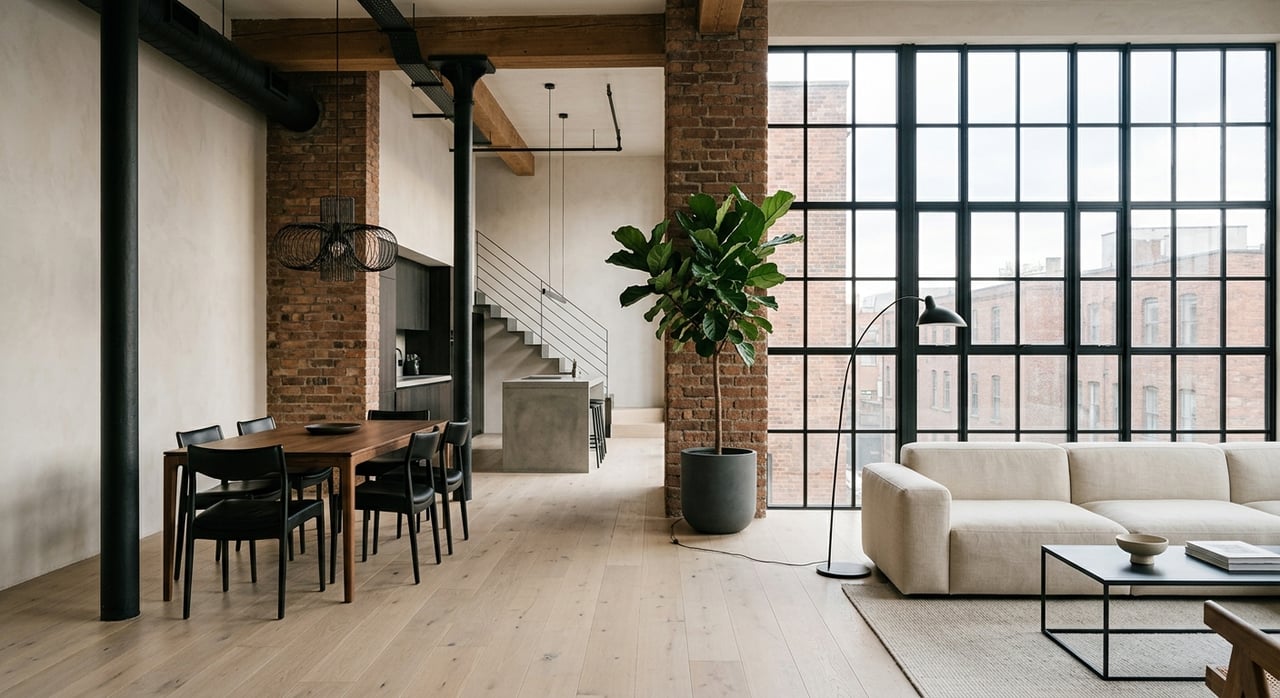
For you as a buyer or renter, that history is not just background. It is the reason many homes and buildings here carry the loft-style, industrial-chic character that defines West Chelsea visually. Brick, masonry, large windows, and converted warehouse proportions are part of the neighborhood’s appeal.
If you are drawn to architectural texture, this can be a strong reason to focus your search here. If you prefer a more traditional residential feel, you may want to compare side streets and classic townhouse blocks more carefully.
Art Is Part of Daily Life
Chelsea near the High Line is not simply close to art. In many places, art is part of the everyday streetscape. NYC Planning notes that the blocks between Tenth and Twelfth Avenues from West 24th to West 29th Streets contain many galleries, studios, and artist spaces, often in converted loft and warehouse buildings.
That concentration gives the neighborhood a design-oriented identity that is difficult to replicate elsewhere. Old and new buildings sit side by side near the High Line, and the result is a street experience that often feels curated, creative, and visually distinctive.
The High Line as a Cultural Space
The High Line itself functions as more than a park. Friends of the High Line reports that it has exhibited more than 120 artists from around the world through commissions, billboards, video projections, and performances, while also hosting more than 450 public programs and activities each year.
For residents, that means your nearest green space can also feel like an outdoor cultural venue. A simple walk can include landscape design, public art, and seasonal programming, which adds to the area’s appeal for buyers who value culture in everyday life.
Waterfront Art and Open Space
At the southern end of the nearby waterfront, Gansevoort Peninsula brings together art, recreation, and river access. The site includes Day’s End by David Hammons, along with a beach, boardwalks, and other recreational features.
That blend is a good example of what makes this pocket of Manhattan special. Instead of separating culture, recreation, and scenery, the neighborhood often layers them into the same experience.
Dining and Everyday Convenience
Chelsea’s food scene is another major draw, especially for people who want options within walking distance. Chelsea Market describes itself as a neighborhood market open from 7 a.m. to 10 p.m., offering coffee, dining, drinks, shopping, and immersive art.
That makes it useful both as a destination and as part of daily routine. Whether you are grabbing something casual or meeting friends after work, having that kind of all-day destination nearby adds real convenience.
Pier 57 expands those options at the waterfront. Hudson River Park notes that Pier 57 includes a rooftop park, a waterfront food market, City Winery, community spaces, and an interactive gallery and classroom focused on local wildlife and waterways.
Green Space Broadens the Lifestyle
What makes this section of Chelsea especially compelling is that the dining scene is balanced by meaningful outdoor access. Nearby Hudson River Park spaces include Chelsea Waterside Park, Gansevoort Peninsula, Little Island, and the piers along the river.
Chelsea Waterside Park includes a picnic area, restroom, refreshed turf field, and dog park. Gansevoort Peninsula includes a beach, picnic area, salt marsh, and dog park. Together, these amenities give the neighborhood a broader recreation profile than a typical Manhattan retail corridor.
What Buyers Should Weigh
For many buyers, Chelsea near the High Line works best when lifestyle is a top priority. This is a strong fit if you want a design-forward neighborhood with layered housing types, strong access to parks, a gallery presence, and dining woven into daily life.
At the same time, the trade-offs are real. StreetEasy’s market snapshot points to pricing that reflects the area’s popularity, and the neighborhood’s character can change noticeably from block to block. Transit convenience, foot traffic, and building style may all vary depending on your exact location.
A practical way to approach your search is to compare not just properties, but micro-locations. Two homes in Chelsea can offer very different experiences depending on whether you prioritize a quieter side street, loft character, waterfront access, or newer condo amenities.
The Bottom Line on High Line Living
Chelsea living near the High Line offers one of Manhattan’s most layered residential lifestyles. You get a rare combination of public space, architecture, art, and dining, all set within a neighborhood that still shows its industrial and creative roots.
If you are considering buying, selling, or exploring your options in Chelsea, it helps to work with someone who understands how much nuance exists from one block and building type to the next. For tailored guidance on Chelsea townhouses, co-ops, condos, and loft-style homes, connect with Phyllis M Mehalakes.
FAQs
What types of homes are common near the High Line in Chelsea?
- Near the High Line in Chelsea, you can find historic townhouses, prewar co-ops, loft and warehouse conversions, brick tenement buildings, and newer condo developments.
What is daily life like in Chelsea near the High Line?
- Daily life in this part of Chelsea often includes easy access to the High Line, Hudson River Park, galleries, food destinations like Chelsea Market, and a busy street environment with strong foot traffic.
How does art shape Chelsea near the High Line?
- Art shapes this area through the concentration of galleries and artist spaces in West Chelsea, as well as through public art and programming on the High Line and nearby waterfront spaces like Gansevoort Peninsula.
What should buyers consider about location within Chelsea?
- Buyers should pay close attention to block-by-block differences in transit access, street activity, building style, views, and proximity to parks or gallery corridors.
Is Chelsea near the High Line mostly about luxury condos?
- No. While newer condos are part of the housing mix, the area also includes prewar co-ops, historic townhouses, and loft-style buildings with industrial character.