Picture yourself on a sunny stoop, coffee in hand, watching a tree-lined block come to life. That is the everyday rhythm many people imagine when they think about a Harlem brownstone. If you are weighing a move, you want more than a postcard. You want clarity on space, culture, community, and what ownership really takes. This guide walks you through the feel of brownstone living, the blocks where these homes shine, and the practical checks that set you up for a smart purchase. Let’s dive in.
What a Harlem brownstone is
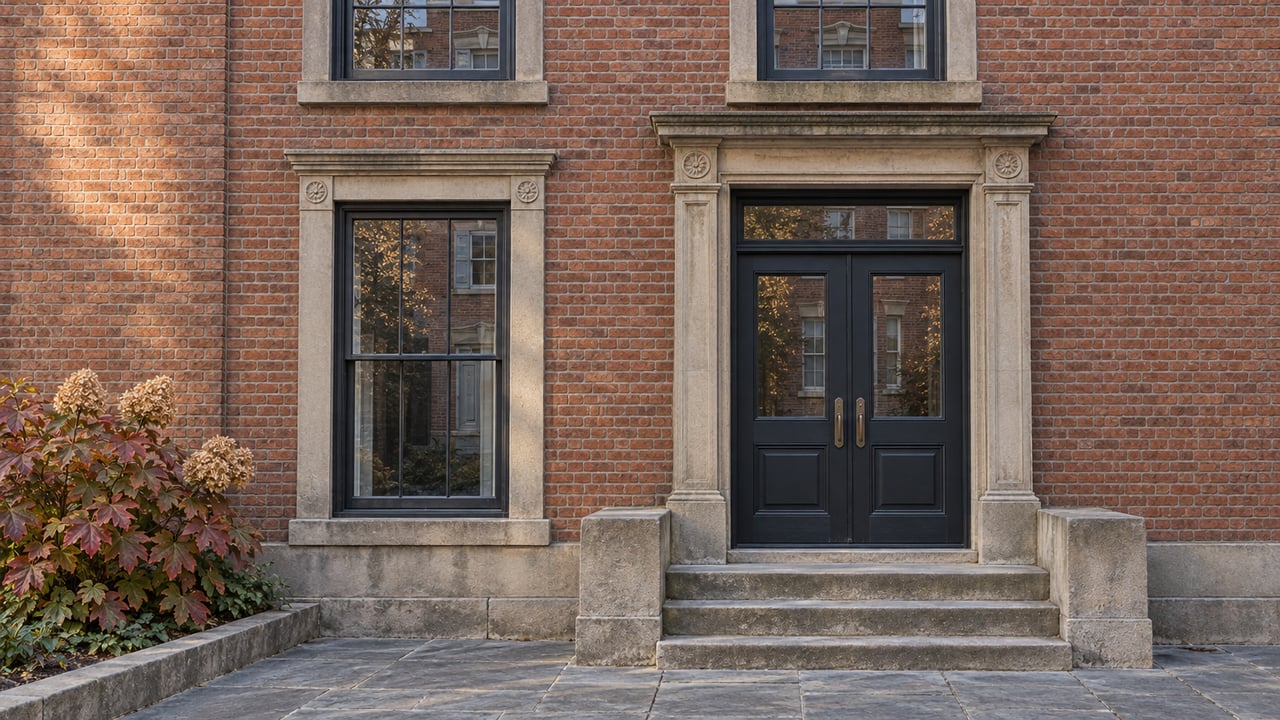
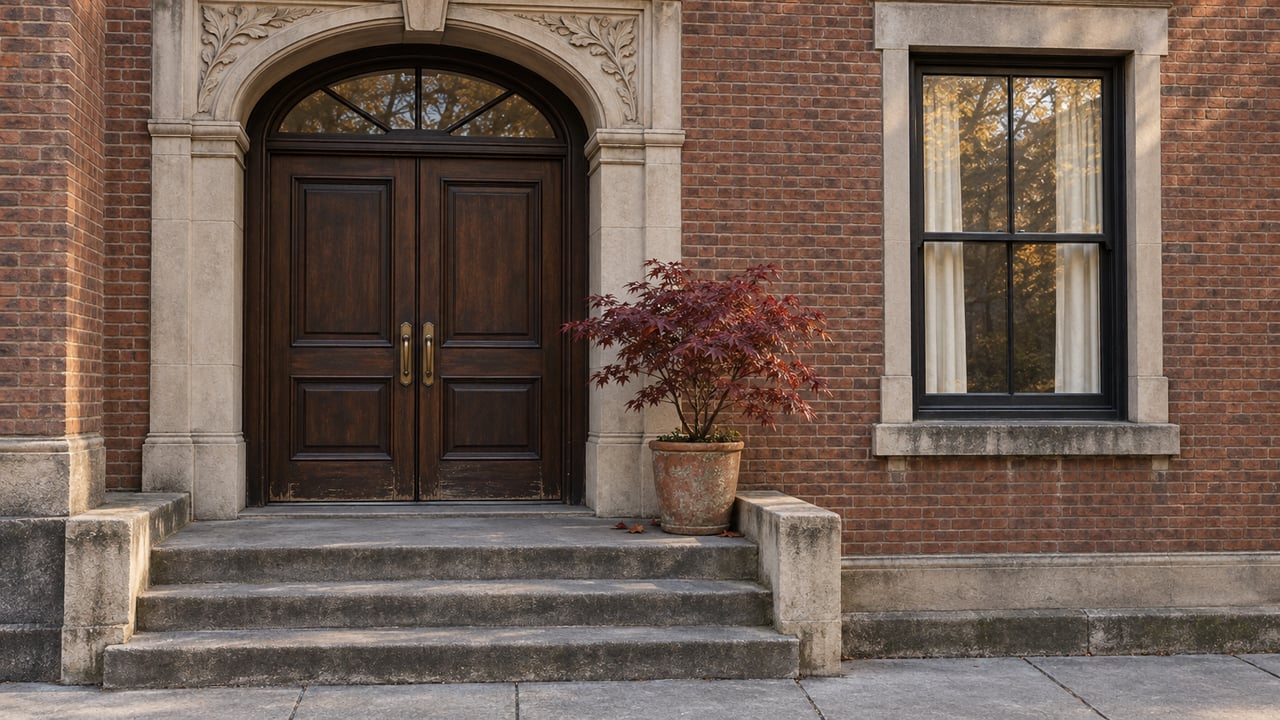
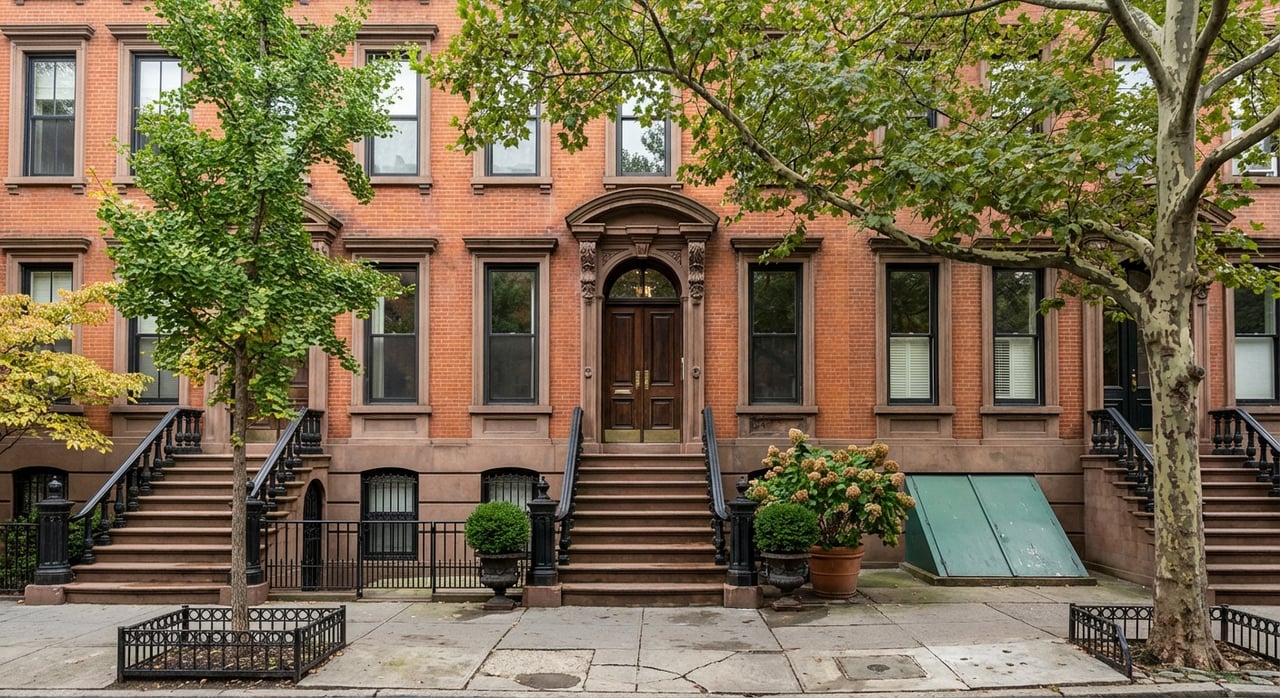
A classic Harlem brownstone is a narrow, multi-story townhouse with a raised stoop, a parlor floor for gathering, bedrooms above, and a garden or lower-level entry. Facades are usually brownstone or brick, and you will notice decorative cornices, iron railings, and sometimes bay windows. The stoop is not just a staircase. It creates a small, semi-public front porch that shapes how neighbors interact and how a block feels. You can see this stoop culture across historic rows documented in city and neighborhood sources that track Harlem’s 19th-century growth and preservation.
Inside, the vertical layout influences daily life. Many homes keep parlor-level entertaining rooms, with bedrooms stacked above and service or kitchen spaces set lower. Conversions are common, so you may find single-family layouts, owner’s duplexes over a rental, or multi-unit configurations. These plans affect accessibility, deliveries, storage, and how you adapt the house to modern living, from kitchens to HVAC to smart-home systems.
Where brownstones cluster in Harlem
Harlem is a large area of northern Manhattan with distinct subareas. Central Harlem, which many buyers associate with the classic brownstone streetscape, is often described as the area from Central Park North up through the 140s, with boundaries that shift slightly by map and local use. Community Board 10’s overview provides helpful context for how residents define Central Harlem and its needs over time. You will also find strong townhouse streets in parts of West Harlem, including Hamilton Heights and Sugar Hill, where landmarked blocks preserve a consistent historic look.
Several enclaves stand out. The St. Nicholas Historic District, also known as Strivers’ Row, on West 138th and 139th Streets, is a tightly coherent set of restored townhouses that often serve as a visual shorthand for upscale brownstone Harlem. Around Marcus Garvey Park, the Mount Morris Park Historic District holds a dense concentration of late 19th-century rowhouses, anchored by the park’s acropolis-like rise and restored watchtower. Astor Row on West 130th Street is unusual for Harlem, with semi-detached houses set back from the street with front porches, which gives the block a different feel from high-stoop brownstones.
Preservation matters here. New York City landmark programs and local efforts have conserved many of these streetscapes, which helps protect the architectural rhythm and materials that make these blocks special. If you are drawn to a consistent historic look, landmarked rows deliver a cohesive streetscape. If you prefer a livelier mix, some blocks outside historic districts blend restored brownstones with mid-century apartments and newer infill, often closer to retail and transit.
Block-by-block feel
Harlem brownstone streets vary in scale and light. Narrow-bay rows with small front gardens feel intimate, with stoops that invite short chats as neighbors pass by. On Astor Row, deeper setbacks and porches change sightlines, sunlight, and the social life of the front yard. Landmark districts like Strivers’ Row tend to read as unified and calm, while blocks near commercial corridors such as 125th Street take on more foot traffic and evening activity. Deciding what you want outside your front door is as important as choosing the house itself.
Daily life: transit, parks, culture
Transit is a major advantage. Harlem’s 125th Street corridor hosts multiple subway stations, and the Harlem–125th Street stop adds Metro-North service for regional trips. That mix keeps commutes to midtown and downtown viable while letting you live at a townhouse scale with a stoop and often a small backyard.
Green space is a daily asset. Marcus Garvey Park anchors the Mount Morris area with an amphitheater and the restored fire watchtower, and it is one of several parks that dot the neighborhood alongside St. Nicholas Park, Morningside Park, and Jackie Robinson Park. These parks host concerts, exercise, children’s activities, and quiet routines like dog walks and morning runs, which helps blocks feel residential even when you are close to city energy.
Dining and culture are woven into the neighborhood. Institutions like the Apollo Theater draw visitors and locals for programming that ranges from music to community events. Culinary anchors mix heritage and contemporary flavors. Sylvia’s is a long-running soul food staple, and newer spots have joined the scene along Lenox Avenue and Frederick Douglass Boulevard. Beyond dining, the Schomburg Center for Research in Black Culture and the Studio Museum in Harlem add depth to the area’s cultural life.
Space, maintenance, and renovations
Buying a brownstone often means balancing historic character with modernization. Many homes retain older mechanical, plumbing, and electrical systems. Updating kitchens, bathrooms, and HVAC to current expectations is common. Staircases are part of the charm and also part of the plan. If you need improved accessibility or a more open layout across multiple levels, consult professionals early, since structural changes can be complex and, in historic districts, exterior work requires review.
If the house sits inside a landmark district, the Landmarks Preservation Commission (LPC) reviews most exterior repairs and alterations. That process preserves the streetscape and can add time to your project. On the upside, LPC offers grants and technical resources for qualifying homeowners, which can help with restoration of historic features like facades, stoops, and cornices. Plan for specialist contractors where needed, and build permit timelines into your schedule.
Landmark districts and what they mean
Historic designation is common across Harlem’s finest rows. In districts such as St. Nicholas Historic District and Mount Morris Park, LPC review covers visible exterior work. Routine maintenance like masonry repointing, stoop repair, or window replacements often needs approval, which sets a higher bar for design and materials. Consistent facades and careful restorations are the result, and they are a core reason these blocks hold their value visually. If you are mapping out a purchase, confirm whether a target block is in a district and ask your attorney to check prior approvals as a useful precedent for what is likely to be approved again.
Choosing your block: a practical checklist
Use this short list to compare options and sharpen your search:
On the block
- Tree canopy, stoop condition, and overall facade consistency.
- Presence of scaffolding, bus stops, or utility poles that affect light and sightlines.
- Proximity to the nearest subway station and the Harlem–125th Street Metro-North terminal if regional access matters.
- Whether the street sits inside a historic district or next to a busier retail corridor.
Building level
- Roof, parapet, masonry, and stoop for signs of water intrusion or deferred maintenance.
- Heating system type and age, cellar conditions, and whether any lower-level unit is lawful.
- Ceiling heights and the condition of original details that may be designated.
Regulatory
- Landmark district status and any prior LPC approvals or permits.
- Recent Department of Buildings permits and any open violations.
A short walk and a slow look often reveal what photos miss. Pay attention to how the block sounds at different times of day, who uses nearby parks, and how neighbors use stoops and small front yards. These lived details make a brownstone street feel like home.
Budget and ownership structures
Harlem townhouse prices vary widely by block, condition, and whether a home is a single-family restoration, an owner’s duplex over a rental, or a multi-unit building. Instead of focusing on a single number, weigh condition, configuration, and location together. Legal form matters for financing and taxes. Townhouses can be fee-simple single-family homes, multi-family buildings, condo or townhouse conversions, or in rare cases, co-ops. Each option carries different operating responsibilities and lending paths. A local real estate attorney and lender can help you evaluate the right structure for your goals.
Living the culture and community
Stoop life is real on many Harlem blocks. Neighbors greet one another, kids ride scooters on the sidewalk, and corner stores, churches, and small businesses keep eyes on the street. Annual programming like Harlem Week and the African American Day Parade fills plazas and corridors with music, food, and families. If you prefer a quieter cadence, focus on tree-lined interior blocks near parks. If you want activity at your doorstep, consider streets close to 125th Street or the main north-south avenues. Harlem supports both modes of living, often within a short walk of each other.
How we help buyers and sellers
If you are drawn to Harlem’s brownstone fabric, you deserve clear guidance through the details that matter most. From understanding landmark rules to balancing layout possibilities with mechanical upgrades, the right plan avoids surprises and speeds your path to a confident decision. Our approach pairs deep neighborhood knowledge with a disciplined, step-by-step process. For sellers, Compass’s marketing tools, including Concierge for approved pre-sale improvements, help present your property at its best. For buyers, we build a focused search, vet building and regulatory history, and coordinate the right specialists early so your renovation and ownership plans align with your budget and timeline.
If you are exploring a move, connect for a grounded conversation about your goals and the blocks that fit them best. Reach out to Phyllis M Mehalakes to get started.
FAQs
What makes a Harlem brownstone different from a condo?
- A brownstone is a fee-simple townhouse with a stoop, multiple narrow floors, and private entries, while condos are apartments in multi-unit buildings with shared common areas.
How does landmark status affect exterior work in Harlem?
- In designated districts, the Landmarks Preservation Commission reviews exterior repairs and alterations, which preserves streetscapes and may extend timelines for approvals.
What transit options are near 125th Street in Harlem?
- Multiple subway lines serve 125th Street, and the Harlem–125th Street station adds Metro-North service for regional trips, giving you strong city and suburban connectivity.
Where are the most iconic brownstone blocks in Harlem?
- Strivers’ Row in the St. Nicholas Historic District, the Mount Morris Park area near Marcus Garvey Park, and Astor Row on West 130th Street are widely recognized examples.
What should I look for during a Harlem townhouse tour?
- Check roof, masonry, and stoop conditions, the age and type of heating system, cellar legality, ceiling heights, and whether prior permits or landmark approvals exist.
Are Harlem brownstones usually single-family or multi-family?
- Both exist: single-family homes, owner’s duplexes over a rental, and multi-unit buildings are common, each with different financing, tax, and management considerations.