Thinking about renovating your Gramercy townhouse before selling, but not sure where to spend and where to save? You are not alone. In a historic, design-minded neighborhood like Gramercy, the right pre-sale updates can boost your price and speed up offers, while the wrong projects can drain time and budget. In this guide, you will learn what really pays here, how to avoid Landmarks and DOB delays, and how to craft a sensible, high-impact plan. Let’s dive in.
Why Gramercy is different
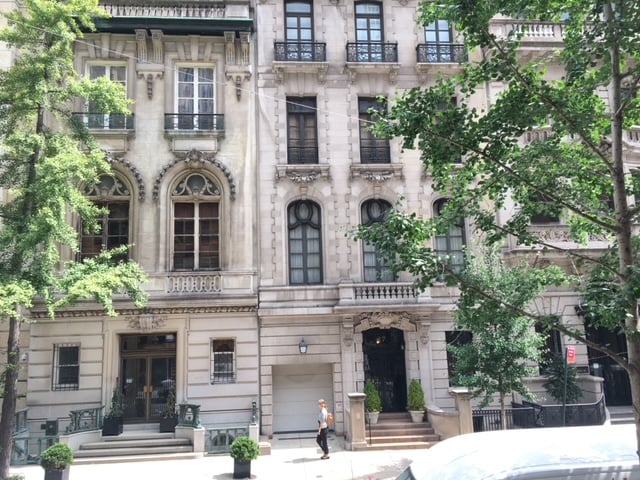
Gramercy is small, historic, and very design conscious. Many properties sit inside the Gramercy Park Historic District, which means exterior work visible from the street may need Landmarks approval. You can confirm the protected area on the official Gramercy Park Historic District map. Buyers here often value original character, clean mechanicals, and rare outdoor space like gardens or terraces, a pattern noted in local neighborhood coverage.
Price context matters too. Broad “neighborhood” medians skew low because they include many condos and co-ops. For example, a neighborhood aggregator reports a median Gramercy sale around 950,000 dollars with about 1,440 dollars per square foot. By contrast, house and townhouse sales are far higher, with one source showing a median house sale near 7.4 million dollars in a recent month with very few transactions. Use townhouse-specific reports and recent comps on your block for accuracy, like the Manhattan townhouse market briefs.
What really pays here
A smart Gramercy pre-sale plan follows a simple hierarchy. Your goal is to remove buyer red flags, then polish for maximum appeal, not to rebuild the house right before you sell.
1) Fix safety and code issues first
Buyers and inspectors will zero in on mechanicals, signs of water, and unpermitted work. Address electrical panels, plumbing problems, roof issues, and any leaks before you list. Unresolved violations or unsafe systems can slow or block closings and reduce offers. If your project involves structural or major system work, check permit needs with the NYC Department of Buildings.
2) Do a cosmetic refresh and stage
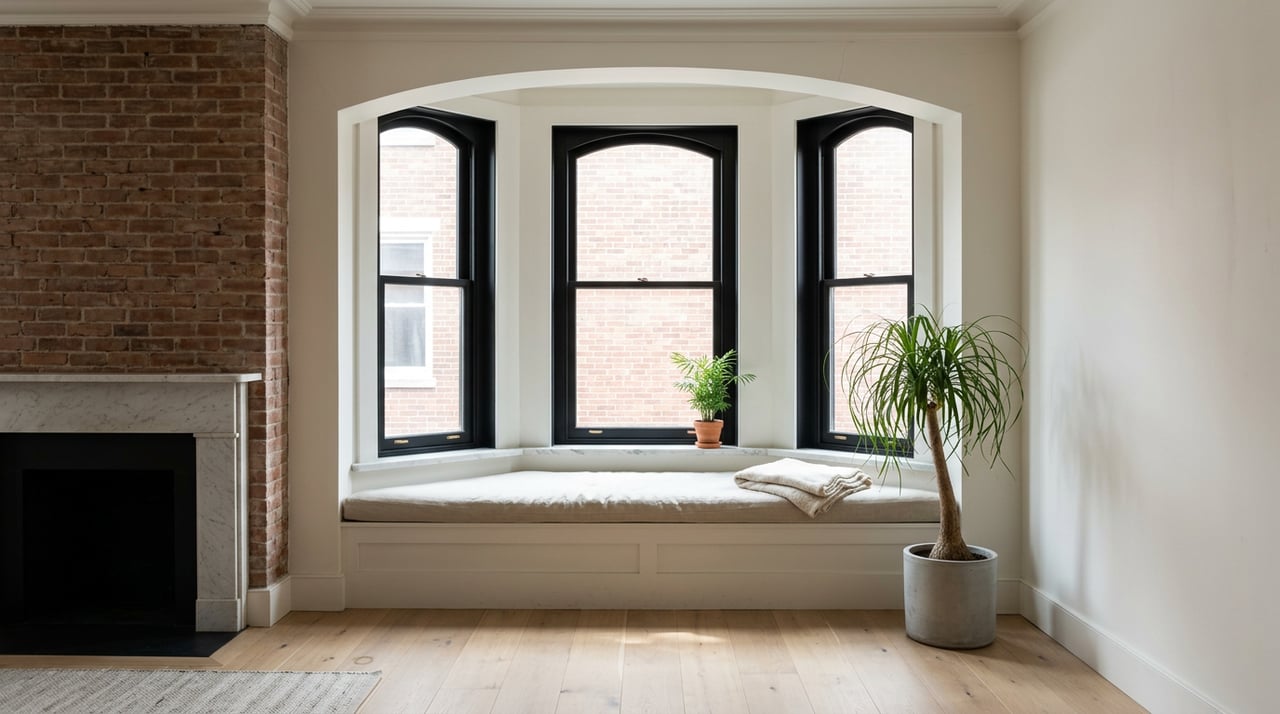
Fresh paint in neutral colors, updated lighting, and new cabinet hardware deliver outsized visual impact at modest cost. Professional staging and strong photography help buyers see the potential and can shorten time on market, as industry research on staging effects shows in resources like this overview of staging benefits. These items are fast and low disruption, which is ideal if you want to hit the market soon.
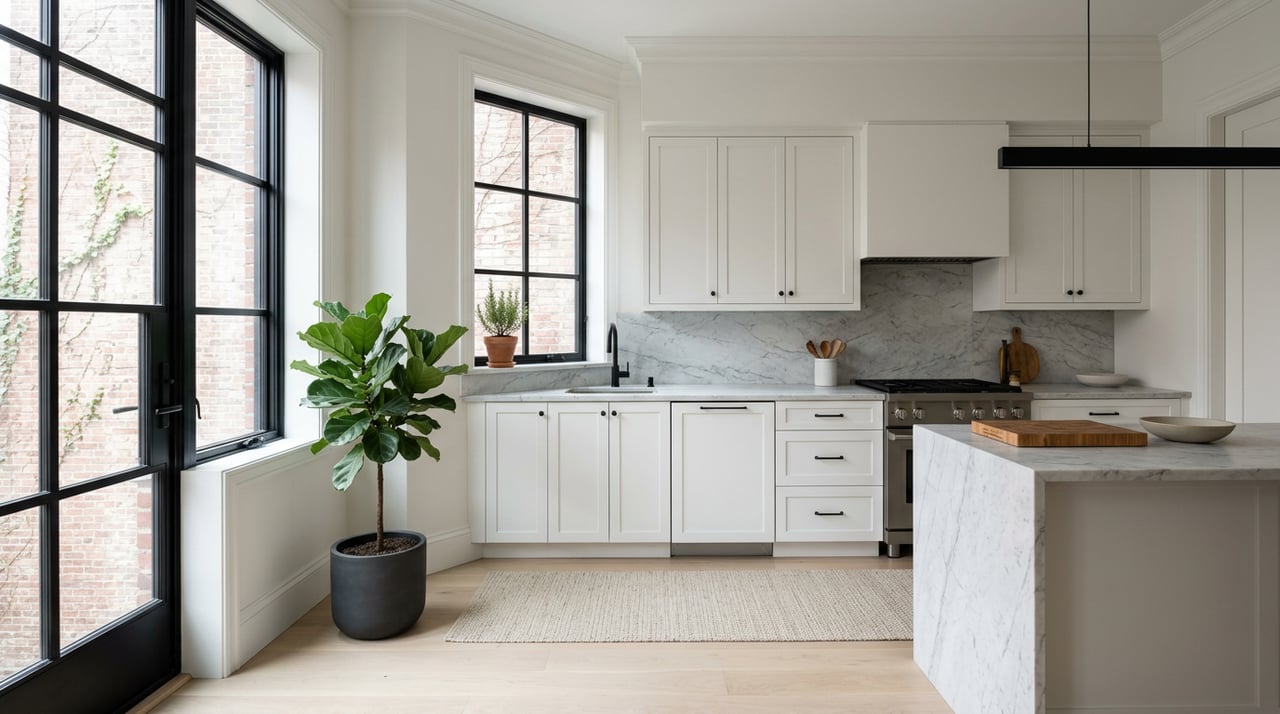
3) Choose a minor kitchen remodel
In most near-term sales, a “face-lift” kitchen beats a full gut. National benchmarks from Remodeling’s Cost vs. Value show a minor midrange kitchen remodel recoups about 113% of cost on average, while larger “major” kitchens recoup far less, roughly 51% for a midrange major and 36% for an upscale major, depending on category. You can review the tables by project type at Cost vs. Value. In Manhattan, costs run higher, so define a tight, design-forward scope.
A typical NYC kitchen refresh that replaces cabinet fronts, counters, some appliances, and lighting might run about 30,000 to 110,000 dollars, depending on choices and labor. Full, luxury gut renovations often exceed 150,000 to 300,000 dollars or more. Get two or three local quotes, as suggested by NYC contractor cost guides.
4) Update bathrooms smartly
Midrange bathroom updates tend to perform well at resale. The Cost vs. Value data shows midrange bath remodels often recoup around 80% nationally. Focus on fresh tile, modern fixtures, new lighting, and better ventilation. Adding a bath can help only if it meaningfully changes the functional count, for example, taking a layout from one and a half to two full baths. Large bathroom overhauls typically yield lower near-term returns.
5) Polish curb appeal and the garden
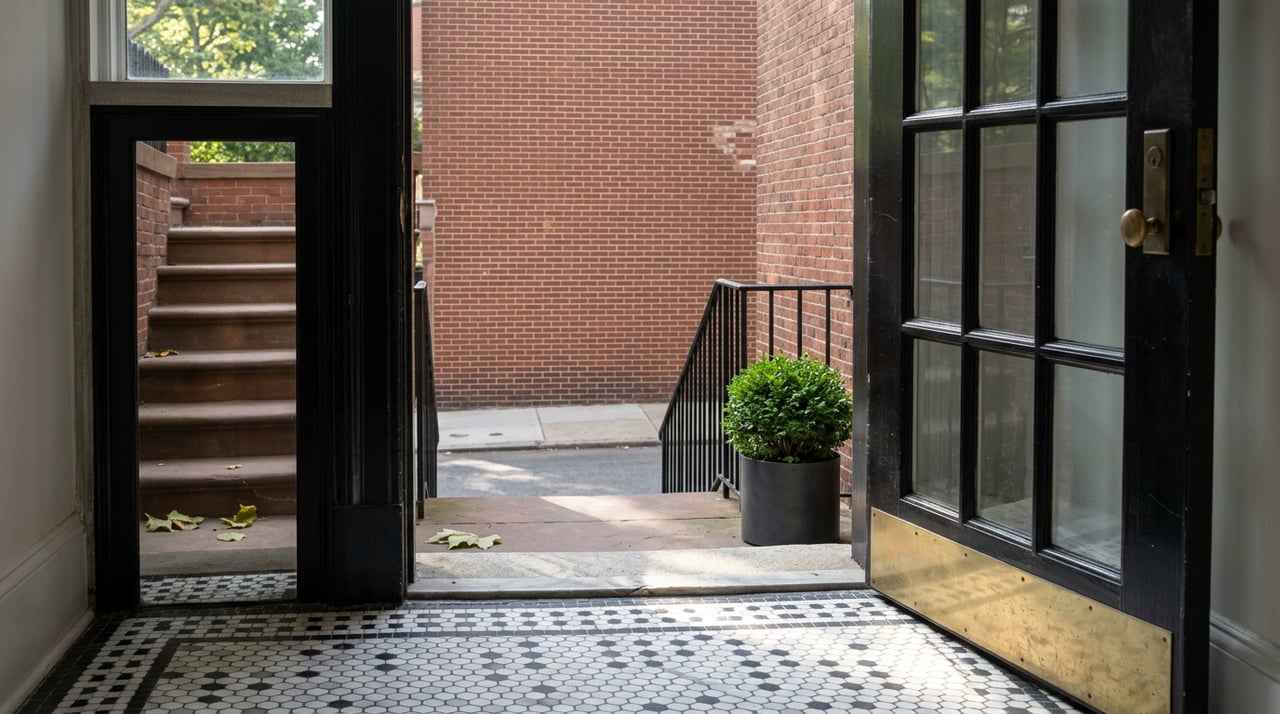
First impressions count in a townhouse market. In Gramercy, that means an orderly stoop and entry, well-maintained façade elements, and a tidy, design-forward garden. Exterior work that is visible from the street may require Landmarks review, so keep upgrades compatible with historic details and start approvals early. Buyers value outdoor space highly, and small upgrades like lighting, clean paving, and planters can be cost effective.
6) Be cautious with big expansions
Basement excavations, accessory units, and major additions usually have the lowest short-term payback and the highest schedule risk. These projects can make sense if you plan to hold the property long enough to realize the value or if you need to match unique high-end comps. Otherwise, they are usually not recommended for a near-term sale given permit, Landmarks, and inspection timelines.
Plan around Landmarks and DOB
Gramercy’s historic-district context adds a layer you should plan for. Exterior work that affects protected features often needs a Certificate of Appropriateness or a Certificate of No Effect from the Landmarks Preservation Commission. Learn how the process works on the LPC approvals page. Staff-level approvals are common for minor work, but changes to stoops, cornices, or major features can require a public hearing, which takes longer.
For interior structural changes or major system work, you will likely need DOB permits. Large jobs are typically filed as Alteration Type projects and may involve plan exams and inspections. Review timelines, filings, and tenant protection requirements on the DOB NOW: Build FAQs. If your work touches both the façade and structure, coordinate LPC and DOB early to avoid back-and-forth.
Timelines to expect
- Cosmetic refresh and staging: about 1 to 2 weeks once vendors are lined up.
- Minor kitchen refresh: about 2 to 6 weeks depending on lead times and scope, consistent with local contractor timelines and costs.
- Midrange bath refresh: about 2 to 6 weeks, similar to ranges seen in Cost vs. Value.
- Façade or stoop repairs that need LPC staff review: about 4 to 12 weeks for approvals plus work time. Longer if a public hearing is required, per LPC process guidance.
- Major gut or structural work that needs DOB Alteration filings: about 8 to 24 weeks or more, plus inspections and sign-offs as outlined in DOB procedures.
Sample budget bands
Every townhouse is unique, but these ranges help you plan and compare quotes.
- Whole-house cosmetic refresh and staging: about 4,000 to 25,000 dollars for paint, lighting swaps, hardware, minor floor touchups, and staging.
- Kitchen: minor refresh about 30,000 to 110,000 dollars. Major gut often 150,000 to 300,000 dollars or more, consistent with NYC contractor guidance.
- Bathroom: midrange about 15,000 to 60,000 dollars. Upscale or major 60,000 to 120,000 dollars or more, aligned with Cost vs. Value.
- Façade or stoop repair: wide range, roughly 5,000 to 100,000 dollars plus depending on scope and historic-detail work. Confirm approach with LPC staff guidance.
- Garden refresh: lighting, planters, clean paving, and privacy plantings can fit a wide range. Smaller, design-forward tweaks usually deliver better near-term value than large, costly hardscape builds.
A simple decision framework
Use this quick flow to build a right-sized plan.
Get a building health check. Hire a DOB-experienced architect, engineer, or seasoned townhouse contractor to identify urgent issues with electrical, plumbing, roof, or structure. Fix the red flags first, using DOB rules and permits as the guide.
Pull the right comps. Ask your broker for block-level townhouse comps with similar width and lot depth. Neighborhood medians are not useful for a unique townhouse. Use borough-level townhouse reports for background, like the Manhattan townhouse briefs, but price off the most similar recent sales near you.
Choose your timeline. If you want to list in 2 to 8 weeks, prioritize mechanical fixes, interior paint and lighting, a minor kitchen or bath refresh, and professional staging. If you have 3 months or more, you can consider larger kitchen or bath work, but factor in LPC approval steps and DOB review time for anything exterior or structural.
Focus on projects with strong recoup. The Cost vs. Value data consistently ranks minor kitchens, midrange baths, and certain exterior replacements as stronger near-term performers than large, custom builds. Adjust the national figures for Manhattan costs, then confirm with recent local comps.
Documentation buyers expect
Serious buyers in Gramercy are detail oriented. Prepare a clean package that includes:
- Permit history and proof of any LPC approvals for exterior work. You can use the LPC process page to match the certificate type to the work.
- Recent inspection reports and service records for boilers or HVAC.
- A clear list of what was updated, when, and by whom, plus which elements remain original.
What to skip for a quick sale
- Full structural reconfigurations unless comps demand it and your timeline can absorb permit and inspection cycles.
- Basement excavations or large additions unless you plan to hold the property.
- Hyper-custom luxury finishes that a future buyer might replace. Keep design choices classic and compatible with the townhouse’s architecture.
The bottom line
In Gramercy, the winning pre-sale strategy is simple. Fix anything that would fail an inspection, then invest in low-disruption, high-impact updates that photograph beautifully and reassure buyers. Favor minor kitchen and midrange bath refreshes, a polished garden and stoop, and thorough staging. For exterior work, engage Landmarks early and build DOB time into your plan. Use townhouse-specific comps on your block to estimate value lift.
If you would like a tailored, data-smart plan for your Gramercy townhouse and hands-on help coordinating pre-sale work, Compass tools like Concierge and a process-driven approach can help you execute with confidence. Let’s talk about your goals and timeline. Connect with Phyllis M Mehalakes to get started.
FAQs
What renovations in Gramercy have the best near-term ROI?
- Minor kitchen updates, midrange bath refreshes, paint, lighting, and staging typically deliver the best near-term payoff, supported by Cost vs. Value and local buyer preferences.
Do Gramercy façades need Landmarks approval before repairs?
- Yes if the work affects protected features visible from the street. Check the LPC approvals process and confirm whether staff review or a public hearing is required.
How do DOB permits impact my renovation timeline?
- Structural changes and major system work usually need DOB permits and plan review. Allow several weeks to months for filings and inspections per DOB NOW: Build guidance.
Should I gut-renovate the kitchen before selling a townhouse?
- Usually no if you plan to sell soon. A minor remodel often shows better cost recovery than a full gut, per Cost vs. Value. Tighten scope and get multiple NYC quotes, like those outlined by local contractor guides.
How should I price a Gramercy townhouse after renovations?
- Use recent, block-level townhouse comps with similar width, lot depth, and outdoor space. Broad neighborhood medians can be misleading. For context, review Manhattan townhouse market briefs and then price off the most comparable nearby sales.