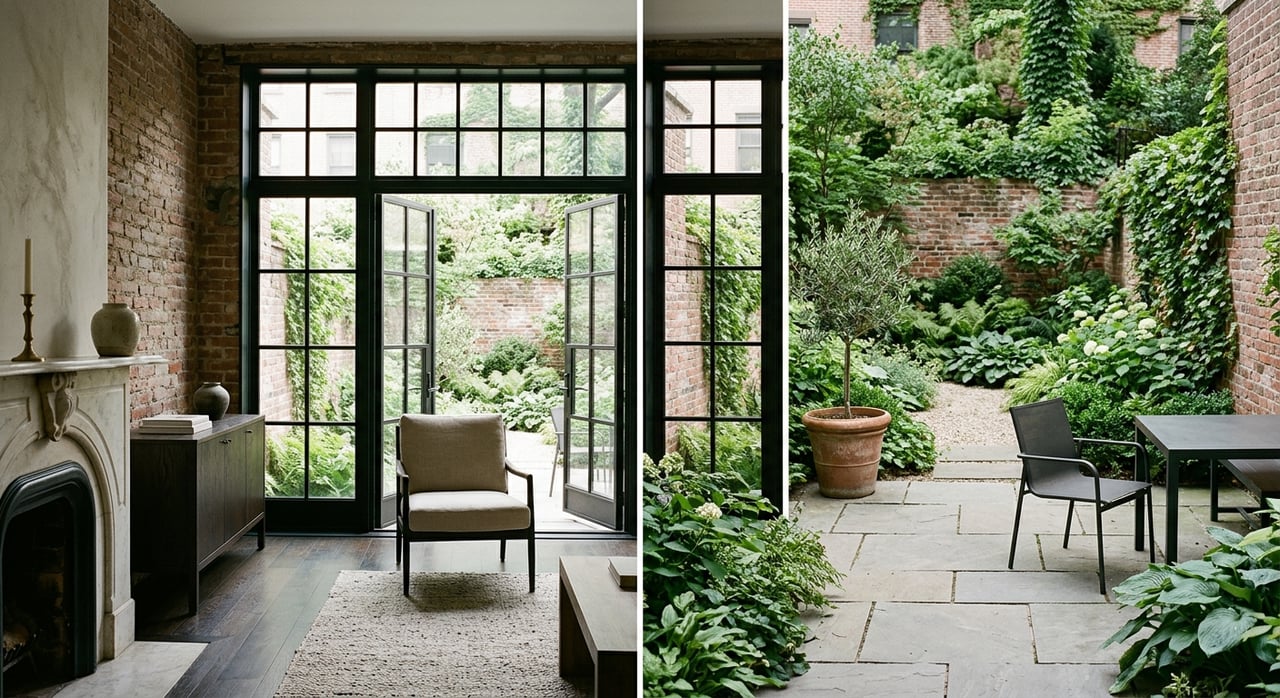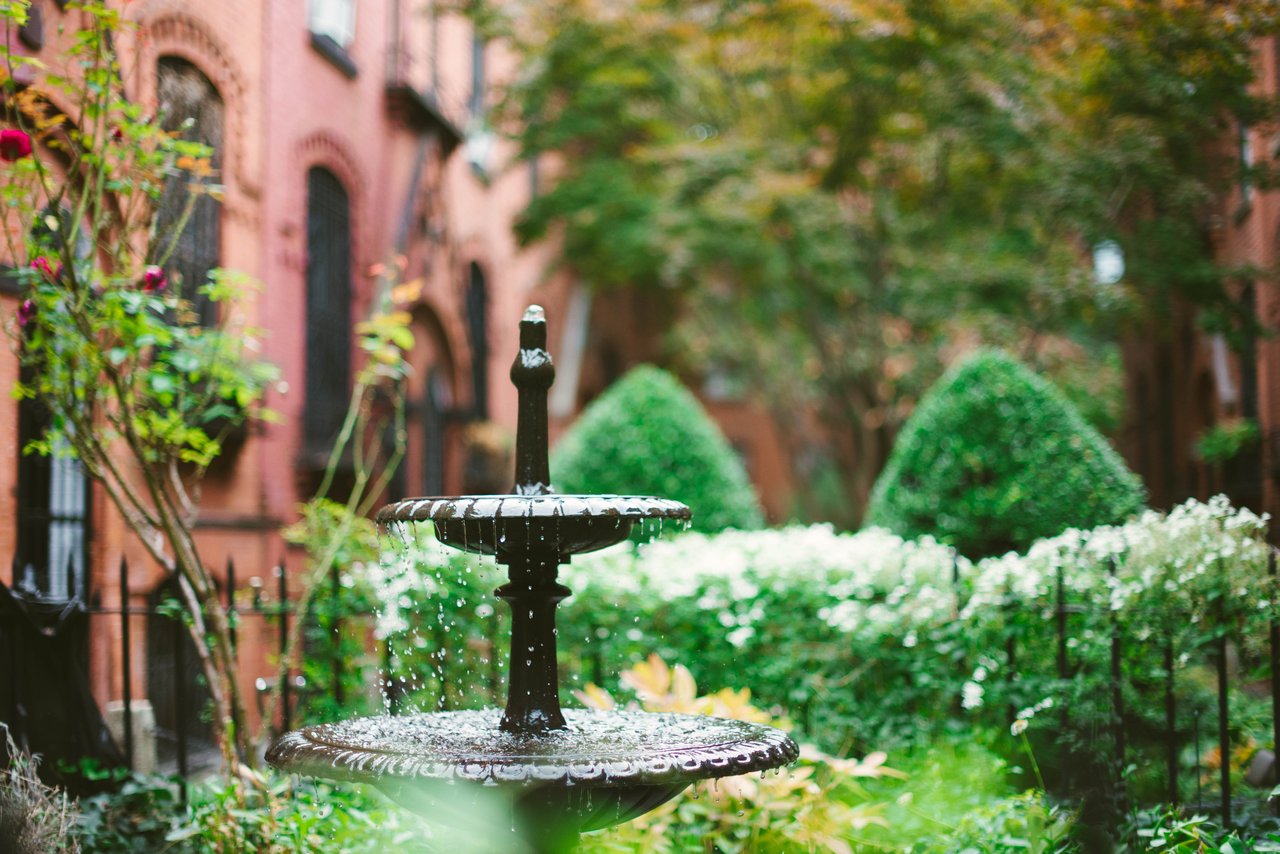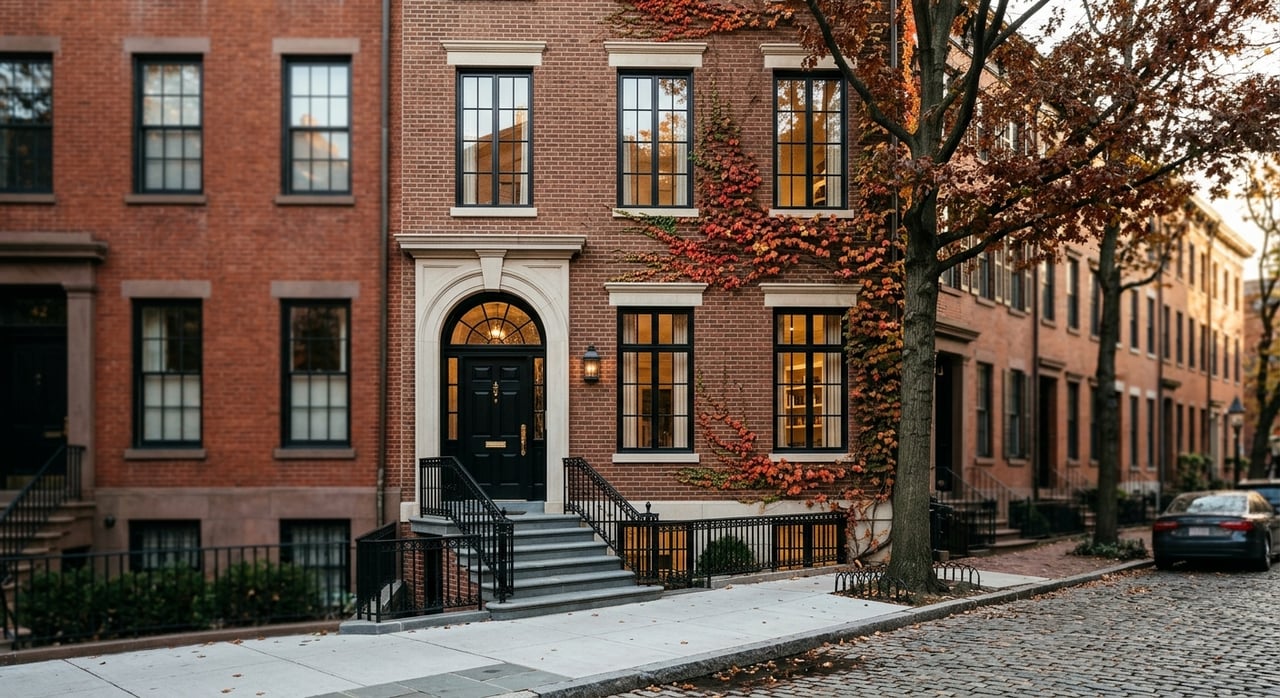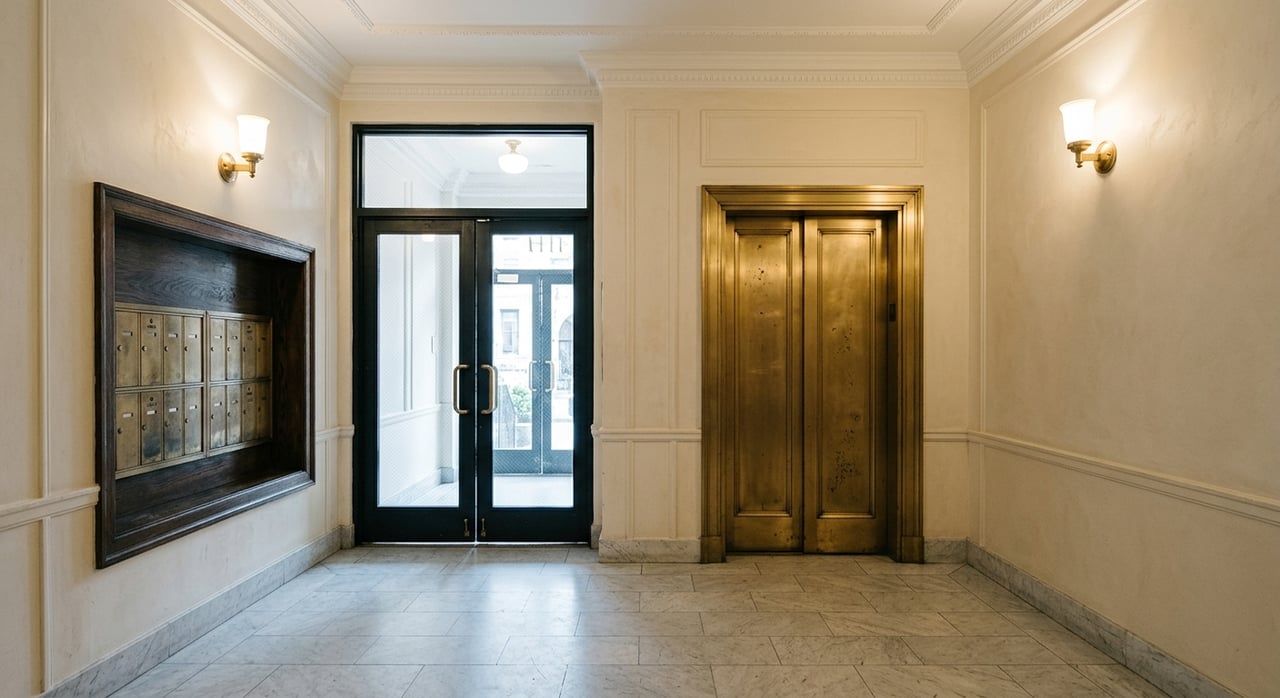
Trying to choose between the Upper East Side and the Upper West Side for family life? You are not alone. For many buyers, this decision comes down to more than price or prestige. It is about how your daily routine will actually work, from school drop-offs and park time to transit and the feel of the block. The good news is that both neighborhoods offer strong fundamentals. The better news is that the right choice usually becomes clearer once you compare the details. Let’s dive in.
Start With Daily Life
If you are weighing the Upper East Side against the Upper West Side, it helps to think beyond labels. Both neighborhoods sit beside Central Park, both offer extensive apartment inventory, and both have below-citywide serious crime rates, according to the Furman Center neighborhood profiles.
Where they differ is in the rhythm of family life. The Upper West Side tends to feel more family-heavy by the numbers, while the Upper East Side trends slightly more affluent and slightly pricier overall. That does not mean one is better. It means your best fit depends on what matters most to you.
Compare the Family Profile
For many households, the first question is simple: where do you see more family-oriented day-to-day activity? Based on the Furman Center’s 2025 neighborhood data, 21.4% of Upper West Side households had children under 18 in 2023, compared with 14.8% on the Upper East Side.
That suggests the Upper West Side may feel more visibly centered around family routines. You may notice that in playground use, stroller traffic, and after-school activity. The Upper East Side, meanwhile, shows a higher median household income at $165,280 compared with $155,710 on the Upper West Side, along with a lower poverty rate.
In practical terms, that makes the choice less about broad reputation and more about your lifestyle priorities. If you want a more kid-heavy atmosphere, the Upper West Side may be the cleaner first stop. If you are drawn to East Side convenience and a somewhat more expensive market baseline, the Upper East Side may align better.
Understand School Districts
Families often start their search with school access, and this is one area where address-level details matter. The Upper East Side sits in District 2, while the Upper West Side is in District 3, according to the NYC Department of Education district map.
The DOE says that for elementary and middle school, most students can enroll directly at their zoned school. Because zoning can vary by address and grade, it is smart to confirm options using DOE tools before you make a decision.
Examples that reflect the district split include P.S. 006 Lillie D. Blake on the Upper East Side in District 2 and P.S. 199 Jesse Isidor Straus on the Upper West Side in District 3. These examples help show the district structure, but they are not a substitute for reviewing the exact school options tied to a specific address.
Look at Neighborhood-Level School Indicators
If you want a broad academic snapshot, neighborhood-level indicators from the Furman Center show higher 2024 fourth-grade ELA and math results on the Upper East Side than on the Upper West Side. The Upper East Side posted 85.6% in ELA and 87.3% in math, compared with 71.1% and 72.1% on the Upper West Side.
These are neighborhood indicators, not school-by-school rankings. They can be useful as part of your research, but they should not replace reviewing the exact zone, school choices, and commute pattern that would affect your household.
Compare Parks and Outdoor Space
Outdoor access shapes family life in New York in a very real way. Both neighborhoods benefit from Central Park, which NYC Parks notes includes 21 official playgrounds.
The difference is what each neighborhood adds beyond Central Park. On the Upper East Side, you also get Carl Schurz Park, a 14.94-acre neighborhood park with playgrounds, basketball courts, pickleball courts, roller hockey, spray showers, dog-friendly areas, and public restrooms. On the Upper West Side, you get the larger Riverside Park corridor along the Hudson River.
Upper East Side Outdoor Pattern
The Upper East Side tends to pair Central Park with East River waterfront access. For some families, that creates a strong mix of neighborhood park use and east-side convenience.
Carl Schurz Park is especially relevant if you value a more local-feeling outdoor routine. Its recreation features can make it easy to build park time into everyday life without planning around a larger destination outing.
Upper West Side Outdoor Pattern
The Upper West Side pairs Central Park with Riverside Park, which stretches four miles from 72nd to 158th Streets and includes playgrounds, basketball courts, baseball fields, bike access, a marina, and a skate park.
That larger park system can be a major plus if your family wants more room for biking, running, sports, or longer waterfront walks. If outdoor variety is high on your list, the west side offers a broader second layer of open space.
Review Housing Costs and Inventory
Both neighborhoods are large and expensive apartment markets. According to the Furman Center, the Upper East Side had 140,367 housing units in 2024, while the Upper West Side had 130,224.
The Upper East Side was also somewhat more expensive by key measures. Its 2023 median gross rent was $3,260 versus $3,000 on the Upper West Side, and its 2024 median condo sales price per unit was $1,595,000 versus $1,522,500. Homeownership rates were similar, though slightly higher on the Upper East Side.
This does not mean every Upper East Side home costs more than every Upper West Side home. It does mean the east side carries a somewhat higher overall baseline, which can affect how far your budget goes.
Newer Inventory vs Established Stock
Another useful distinction is recent housing production. From 2010 to 2024, the Upper West Side added 6,131 units in buildings with four or more units, compared with 3,500 on the Upper East Side, according to the Upper West Side profile.
That suggests the Upper West Side may offer more opportunities in newer inventory or buildings with a broader mix of modern amenities. Still, this is a building-by-building decision, not a neighborhood rule. In both areas, you will likely be weighing layout, location, services, and condition against the appeal of newer finishes or more standardized amenities.
Think About Your Commute
For families, transit is not just about getting to work. It affects school runs, after-school logistics, caregivers, and how easily you can move through the city on a weekday.
Both neighborhoods are heavily non-car commuting areas. The Furman Center reports that 85.0% of Upper East Side commuters and 88.5% of Upper West Side commuters used non-car modes in 2023. Mean travel time to work was 31.2 minutes in both neighborhoods.
Upper East Side Transit
The Upper East Side is anchored by Lexington Avenue service on the 4, 5, and 6 lines, plus Second Avenue Q service, based on MTA subway line information.
If your work, school, or regular routine lines up well with East Side routes, that may make the Upper East Side a more efficient choice day to day. Convenience in New York often comes down to how easily you can string together several stops in one trip.
Upper West Side Transit
The Upper West Side is anchored by Broadway service on the 1, 2, and 3 lines, plus the Central Park West B and C lines. That gives you a different Manhattan transit pattern and can better suit some work or school routes.
For many families, this is less about which neighborhood has better access and more about which one fits your weekly map. A great apartment can feel much less convenient if the daily route is awkward.
Consider Safety in Context
Both neighborhoods post serious crime rates below the citywide level. In 2024, the Upper East Side measured 9.9 serious crimes per 1,000 residents and the Upper West Side measured 9.5, compared with 13.6 citywide, according to the Furman Center data.
That places both areas in a relatively similar range on this measure. As always, your experience will depend on the specific block, building, and your own routine, but the neighborhood-level numbers suggest both areas compare favorably to the city overall.
Which Side Fits Your Family Best?
If you want the simplest possible summary, here it is. The Upper West Side appears more family-heavy by household composition, offers access to the larger Riverside Park system, and has a slightly lower overall housing cost baseline.
The Upper East Side is somewhat pricier on average, has higher neighborhood-level fourth-grade indicators, and offers an East Side transit pattern that may work better for some households. It also combines Central Park access with Carl Schurz Park and the East River edge.
In most cases, the final decision is not really Upper East Side versus Upper West Side in the abstract. It is one block, one school zone, and one building versus another. That is where good guidance matters.
If you are comparing neighborhoods, weighing co-op and condo options, or trying to match family routines to the right Manhattan location, Phyllis M Mehalakes can help you cut through the noise with practical, data-informed advice.
FAQs
What is the main difference between the Upper East Side and Upper West Side for families?
- The Upper West Side has a higher share of households with children under 18, while the Upper East Side has a higher median household income, a slightly higher price baseline, and stronger neighborhood-level fourth-grade indicators.
Which school district covers the Upper East Side and Upper West Side?
- The Upper East Side is in NYC Public Schools District 2, and the Upper West Side is in District 3. School options should always be confirmed by exact address and grade.
Which neighborhood has better parks for family life, the Upper East Side or Upper West Side?
- Both have access to Central Park, but the Upper East Side adds Carl Schurz Park while the Upper West Side adds the larger Riverside Park system along the Hudson River.
Is the Upper East Side or Upper West Side more expensive to buy in?
- Based on Furman Center data, the Upper East Side had a slightly higher 2024 median condo sales price per unit and a higher 2023 median gross rent than the Upper West Side.
Does the Upper East Side or Upper West Side have more new housing inventory?
- Recent housing production was stronger on the Upper West Side from 2010 to 2024, which may create more opportunities in newer multifamily buildings.
How should families choose between the Upper East Side and Upper West Side in Manhattan?
- The best approach is to compare the exact block, school zone, commute pattern, park access, and building features, because those details usually matter more than neighborhood reputation alone.