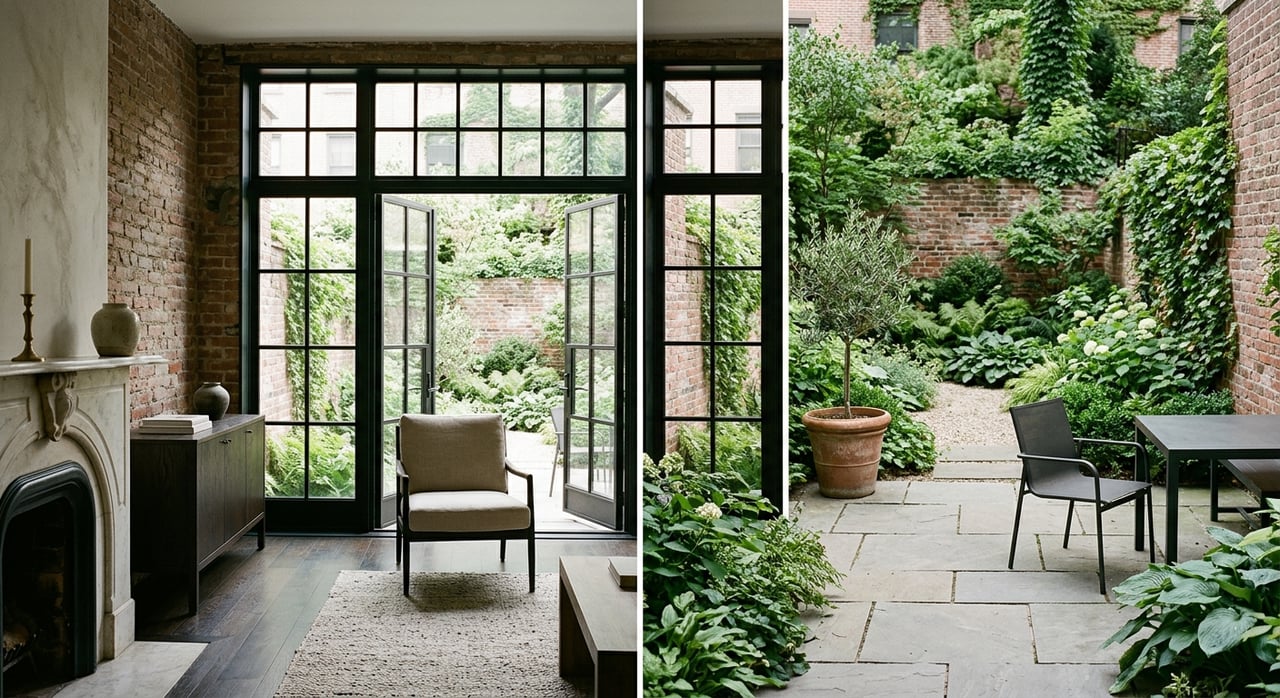
Thinking about living in one unit of a Harlem brownstone while your tenants help pay the mortgage? You are not alone. Many buyers in Harlem explore small multi-family townhouses to reduce monthly costs and build long-term equity. The key is doing the homework up front so you know what is legal, what lenders will accept, and how the numbers pencil before you shop. This guide shows you how house-hacking a Harlem brownstone can work, what to check, and how to run a realistic pro forma. Let’s dive in.
What house-hacking means in Harlem
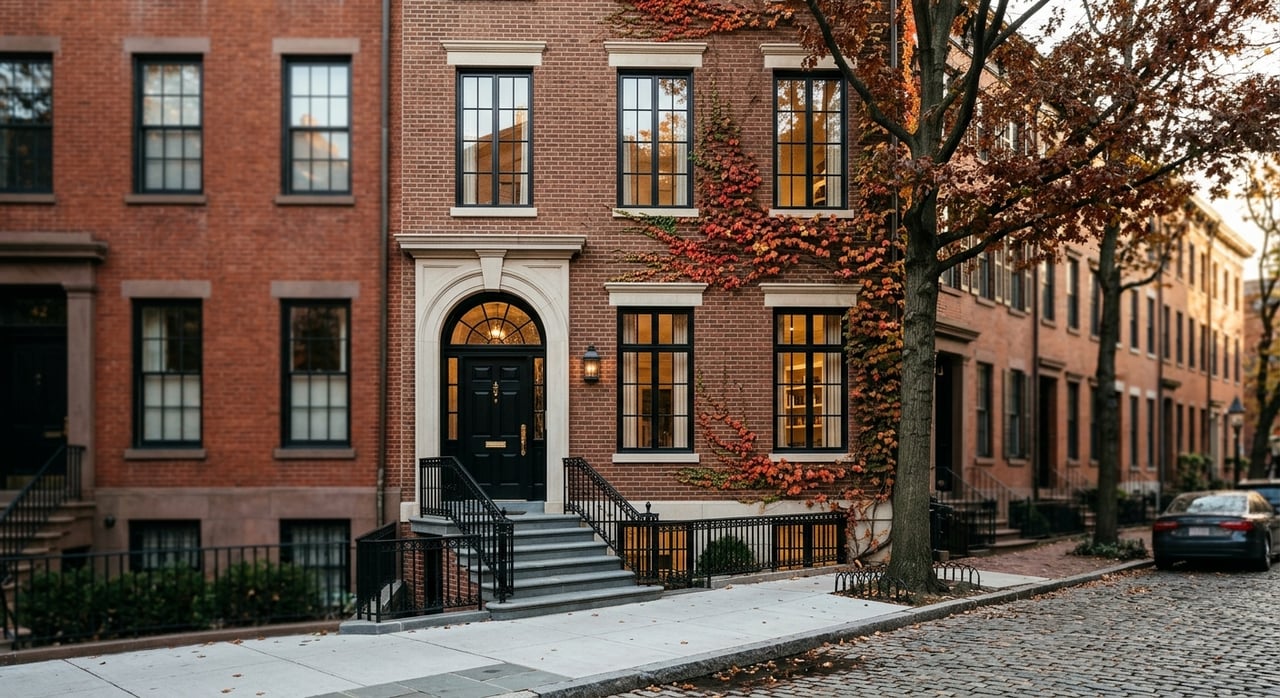
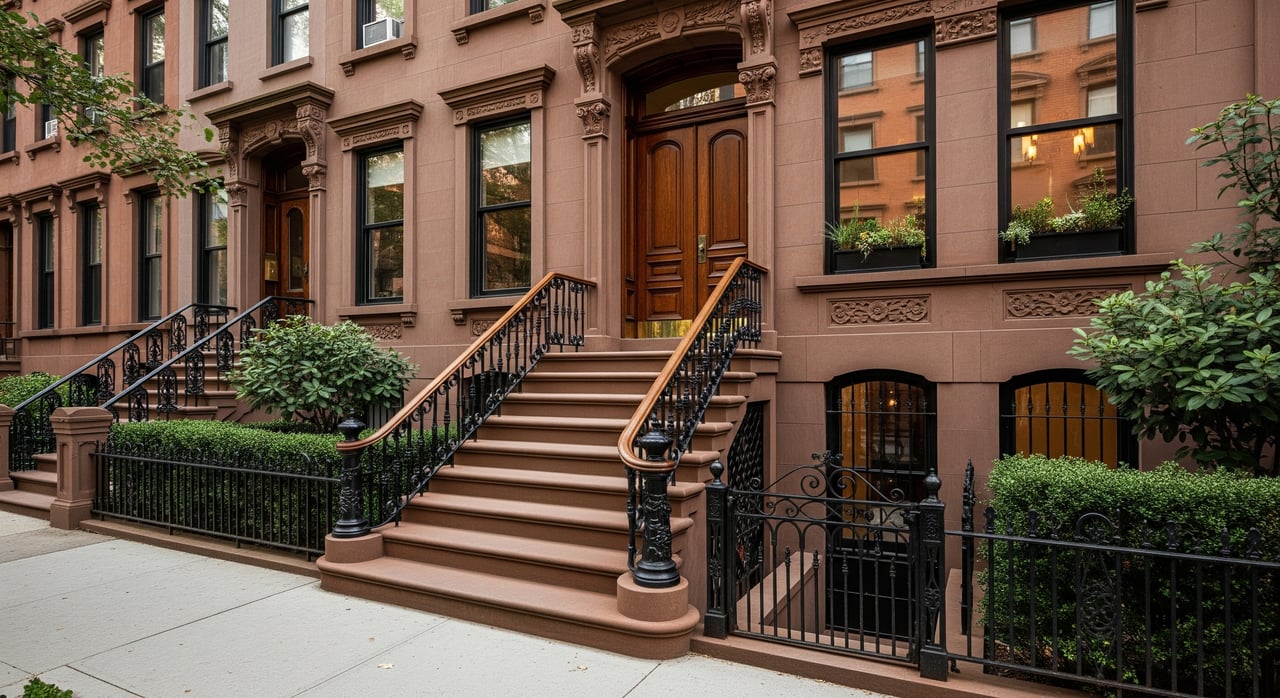
In Harlem, a “brownstone” usually means a pre-war rowhouse with a stoop and historic details. Many of these townhouses started as single-family homes and were later converted to 2 to 4 legal apartments. Ownership can be fee simple (typical townhouse), a condominium, or a co-op. Each structure has different rules for renting and financing.
Because Harlem includes several historic districts, expect design oversight on exteriors. If you are planning to change windows, add HVAC units, or modify a stoop, you will likely need approvals from the NYC Landmarks Preservation Commission. Before assuming a building’s unit count or ability to rent, review records with the NYC Department of Buildings.
Legal units and rent regulation basics
Your first priority is to confirm the legal unit count. Lenders, appraisers, and insurers rely on the official Certificate of Occupancy or Department of Buildings records. An informal basement or garden apartment without permits can delay financing or be excluded from the appraisal’s income and value.
Harlem has a mix of market-rate and rent-regulated apartments. Do not assume every unit is market-rate. Verify each unit’s status with lease history and public records through the NYC Department of Housing Preservation and Development and the NYC Rent Guidelines Board. If any unit is subject to rent stabilization, you need to understand how that affects current rent, future increases, and tenant renewal rights.
Short-term rentals under 30 days are significantly restricted in New York City. Most small multi-family buildings do not qualify for short-stay income. Build your plan around long-term tenants and standard leases.
Layouts that work for live + rent
Many owner-occupants in Harlem follow practical patterns:
- Live in a floor-through apartment and rent the other 1 to 2 units.
- Live in a parlor-garden duplex for more space and a yard, and rent the upper floors.
- Keep separate entrances where possible to improve privacy.
Focus on livability and clear separation. You want independent kitchens and baths for each unit, proper fire separation, and ideally separate utility meters. Ask who pays for heat and hot water. If you will cover those utilities, include them in your operating budget.
Code, safety, and habitability checks
Older buildings can need upgrades to meet today’s standards. Confirm:
- Bedroom egress and window requirements under NYC code.
- Smoke and carbon monoxide detectors.
- Fire separation and stair egress between units.
- Basement or garden apartments meet ceiling height, light, and egress rules.
Your appraiser and lender will look for safety and condition issues. You can research permits and violations through the NYC Department of Buildings. Expect lenders to require repairs or holdbacks if there are major issues with the roof, structure, or heating system.
Renovation realities: lead, asbestos, and landmarks
Harlem brownstones are typically pre-1978, so you should assume lead-based paint may be present. If you plan renovations that disturb paint, use contractors who follow the EPA’s Lead Renovation, Repair and Painting Rule. Learn what that entails from the EPA RRP program.
Older mechanical systems and insulation can include asbestos. Have a qualified professional test materials before work begins. For exterior changes like stoops, facades, windows, or rooftop equipment, coordinate early with the NYC Landmarks Preservation Commission to understand design requirements and approvals.
Financing options for 2 to 4 units
Owner-occupants buying 2 to 4 unit properties can use several loan programs. Terms and underwriting vary by lender and program, so confirm details with a local lender experienced in small multi-family:
- Conventional loans: Fannie Mae and Freddie Mac allow owner-occupant purchases of 2 to 4 unit properties within conforming loan limits. Review program basics at Fannie Mae.
- FHA loans: FHA permits 1 to 4 unit owner-occupant purchases, often with lower down payments for qualified borrowers. Property condition requirements are stricter, and mortgage insurance applies. Find program guidance at HUD.
- VA loans: Eligible service members and veterans can finance up to 4 units when they occupy one unit. Explore benefits and requirements at the VA home loan site.
- Portfolio lenders: Local banks sometimes offer programs for older brownstones, but may require larger down payments and reserves.
Expect lenders to verify the property’s legal unit count and review condition closely. If there are open violations or major deferred maintenance, they may require repairs before closing.
How lenders view on-site rental income
Most lenders will include projected rental income from the other units when they qualify you, but they apply conservative adjustments. A common approach is to count 75 percent of market or in-place rent to allow for vacancy and expenses. The exact percentage and documentation rules vary by program.
Be ready to provide leases for occupied units, a rent roll, and, if units are vacant, a market rent analysis from the appraiser. Conventional and FHA programs have specific documentation standards. Check program rules at Fannie Mae and HUD and align your expectations with your lender in writing.
Build a realistic Harlem pro forma
Before you tour properties, create a monthly and annual pro forma you can update for each townhouse. This helps you compare options side by side and avoid surprises.
Include these core line items:
- Mortgage principal and interest based on your pre-approval.
- Property taxes. Verify current assessments and remember that taxes can change after a sale. Use the NYC Department of Finance tools to research a specific address.
- Property insurance, including landlord liability.
- Owner-paid utilities such as heat, water and sewer, and common-area electric if meters are not separate.
- Repairs and routine maintenance.
- Capital reserves for big-ticket items like roof, facade, and mechanical systems.
- Vacancy and credit loss allowance.
- Property management if you will not self-manage.
- Legal, accounting, and registration fees.
Helpful starting points for assumptions:
- Vacancy allowance: 5 to 10 percent of gross potential rent.
- Lender underwriting allowance: many lenders net rental income at 75 percent of gross rent for qualifying. Confirm the number with your lender.
- Property management: 8 to 12 percent of collected rent, or adjust if self-managing.
- Repairs and maintenance: 5 to 10 percent of collected rent, often higher for older brownstones.
- Capital reserves: 3 to 5 percent of collected rent, plus targeted reserves based on inspection findings.
A simple monthly method:
- Add up gross scheduled rent for each legal unit at in-place or market rent.
- Subtract a vacancy allowance.
- Subtract operating costs: management, owner-paid utilities, repairs, insurance, and property taxes.
- Subtract mortgage principal and interest.
- The result is your net cash flow before income taxes. Track a separate capital reserve to stay disciplined.
Do not count short-term rental premiums. NYC rules and many building policies limit short stays, and lenders will not underwrite that income.
Due diligence checklist before you shop
Do these steps in parallel with lender pre-qualification:
- Confirm legal unit count and the Certificate of Occupancy in DOB records. If the layout does not match, get clarity on legality and any plan to cure.
- Request a current rent roll, signed leases, and 12 to 24 months of rent receipts if you plan to rely on rental history.
- Check each unit’s rent regulation status through HPD resources and by reviewing tenant documentation.
- Pull Building Department violations and open permits, and review HPD complaints.
- Order a full inspection with pros who understand older masonry and wood-frame buildings. Include heating, plumbing, electrical, and environmental risks.
- Verify utilities and metering. Separate meters are ideal. Confirm who pays for heat and hot water.
- Check whether the property is in a landmark district and understand approval requirements via the LPC.
- If the property is a condo or co-op, review bylaws and policies on subletting and owner occupancy.
- Get insurance quotes and ask about prior claims that could affect coverage.
- Pre-qualify with lenders who frequently finance NYC 2 to 4 unit properties. Ask exactly how they will treat rental income and what reserves they require.
- Build a conservative pro forma and stress test it for higher vacancy or a major capital repair.
- Retain a local real estate attorney to review title, easements, sidewalk vaults, and municipal liens.
How to choose your owner’s unit
Pick the unit that fits your lifestyle and income goals. A parlor-garden duplex gives you outdoor space and a gracious entertaining level, but you will often cover more utilities. A top-floor unit can mean quieter living and lower owner-paid heat, but more stairs. Weigh tradeoffs like privacy, light, access to storage, and the speed of any work you need before moving in.
If you plan to renovate, sequence projects to protect tenant quiet enjoyment and code compliance. For exterior work in a landmark district, build in extra time for LPC review.
Managing tenants and operations
Set clear, legal leases and keep communications professional. Track expenses and receipts from day one. If you self-manage, create a simple schedule for routine maintenance and inspections. If you prefer to outsource, get proposals from local managers and compare scope, response times, and fees to your pro forma assumptions.
Be proactive about safety: test smoke and CO detectors, service heating systems before winter, and keep common areas clean and well lit. Document every repair request and resolution.
The bottom line
House-hacking a Harlem brownstone can reduce your monthly cost of living and build long-term value, if you set expectations correctly. Confirm legal unit status, understand rent rules, pick the right financing path, and run a conservative pro forma that fits older-building realities. With a disciplined plan and the right team, you can live well and rent well in Harlem.
If you want a pragmatic, data-informed partner for a Harlem townhouse search, connect with Phyllis M Mehalakes. You will get neighborhood-rooted insight, a clear process, and a calm, experienced advocate from first tour to closing.
FAQs
What is house-hacking in a Harlem brownstone?
- House-hacking means you live in one legal unit of a small multi-family townhouse and rent the others to offset your housing costs.
How do I confirm legal unit count before buying?
- Review the Certificate of Occupancy and permit history through the NYC Department of Buildings, and have your attorney verify records.
Can I rely on short-term rentals for extra income?
- Generally no. New York City restricts stays under 30 days in most buildings, and lenders will not underwrite short-stay income.
Will lenders count rental income from other units?
- Often yes, but many only count about 75 percent of documented rent and require leases or an appraiser’s market rent report.
What extra costs do Harlem brownstones often have?
- Facade, stoop, and roof work can be significant. Budget for masonry, mechanicals, and insurance, plus capital reserves based on inspections.
What inspections should I order for a brownstone?
- A full home inspection with specialists for heating, plumbing, electrical, and environmental risks, plus lead-safe practices per the EPA RRP rule.
How do I check rent regulation status for a unit?
- Combine lease review with public records through HPD and resources at the NYC Rent Guidelines Board.