Thinking about selling your Manhattan home but not sure what to fix, update, or stage first? You are not alone. Many sellers want a polished presentation yet prefer not to tie up cash before the sale. This guide shows you how Compass Concierge can help you prepare to list with no upfront vendor payments, what it typically covers in Manhattan, and how to plan timelines, approvals and budgets with confidence. Let’s dive in.
What Compass Concierge is
Compass Concierge is a pre-listing program that advances the cost of preparation services so you do not pay vendors out of pocket before you sell. You repay the approved costs at closing from your sale proceeds. Exact program terms and eligibility vary by market, so you should confirm local details with your Compass agent in Manhattan.
The main benefit is simple. You can make smart, market-ready improvements now and pay later, which can help you reach the market faster and present a stronger listing. Your agent coordinates vendors and timelines so you focus on decisions, not day-to-day project management.
What it typically covers
Concierge is designed for high-impact, pre-listing work rather than major gut renovations. Common services include:
- Professional staging, furniture rental and styling
- Decluttering, packing and storage solutions
- Deep cleaning and carpet cleaning
- Interior painting and plaster or drywall patching
- Minor carpentry repairs
- Lighting and hardware upgrades with minor electrical work
- Flooring refresh or replacement in key rooms
- Kitchen and bathroom refreshes, such as cabinet refacing, new hardware, regrouting, countertops, and fixture swaps
- High-quality photography, floor plans, and virtual tours
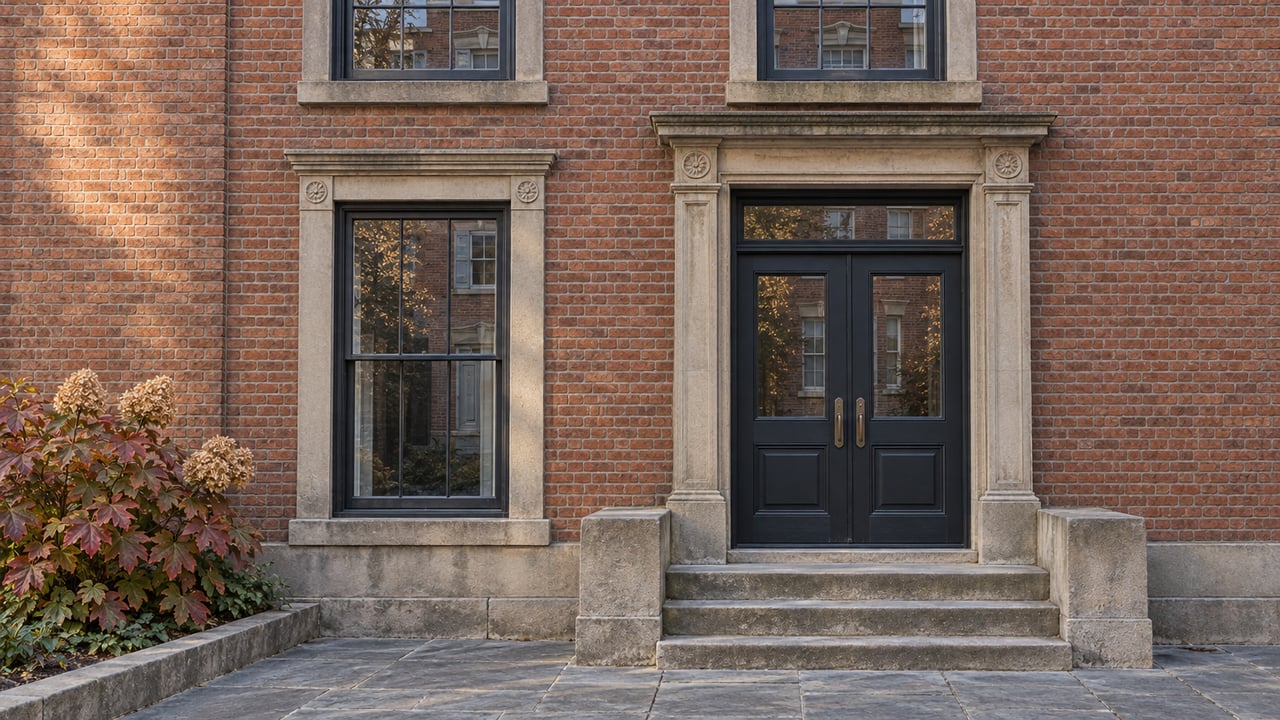
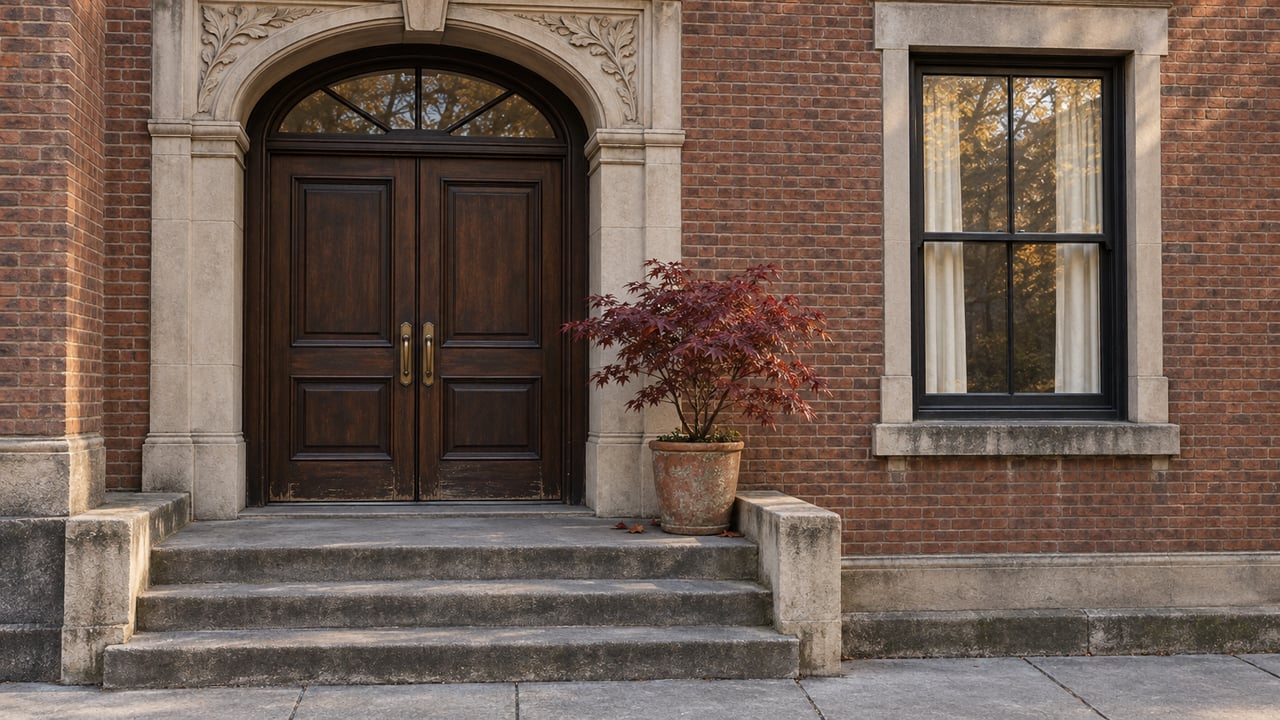
- Curb, stoop or landscape touch-ups for townhouses
Results vary by property and market conditions. Your agent will help tailor a scope that fits your home, building rules, and price tier.
Manhattan realities that shape your plan
Selling in Manhattan adds a layer of logistics that you should address early.
- Co-op and condo rules. Many buildings require contractor registration, certificates of insurance, elevator reservations and set work hours. Minor cosmetic work is usually straightforward. Plumbing or electrical changes are more likely to need additional review.
- Permits and landmarks. For townhouses and exterior work, some projects may trigger New York City Department of Buildings permits or Landmarks Preservation Commission review in historic districts. Build this time into your plan.
- Building operations. Freight elevator access, superintendent coordination, vendor insurance, and noise restrictions can affect timelines. Walk-ups may need more delivery trips or short-term storage.
- Vendor availability. Peak seasons and holidays can lengthen lead times. Ask for firm vendor start dates and an honest view of sequencing.
- Neighborhood and property type. Downtown lofts often benefit from staging that highlights open plans and light. Prewar co-ops in Midtown or Uptown may call for plaster repair, wood floor attention and staging that respects period details.
Co-ops: what to expect
Co-ops often aim to modernize selectively while maintaining character and complying with board rules.
- Typical goals. Emphasize layout flow and period details. Refresh kitchens and baths to feel current without triggering major approvals.
- Common projects. Painting throughout with plaster patching usually takes 1 to 2 weeks. Lighting and hardware swaps can be completed in about a week. A kitchen or bath refresh can run 2 to 4 weeks depending on scope.
- Cost context. Painting in a 1 to 3 bed co-op can range from about $2,000 to $8,000 depending on ceiling height and detail work. Lighting and hardware often range from $500 to $3,000. A light kitchen or bath refresh may range from $5,000 to $25,000. Staging often ranges from $2,000 to $8,000 plus $1,000 to $2,500 for photography and marketing assets.
- Board logistics. Expect to provide vendor insurance and schedule access. Minor cosmetic work is typically easier to approve than changes involving plumbing or electrical.
Condos: what to expect
Condos usually focus on bright, clean presentation and minimal disruption in full-service settings.
- Typical goals. Showcase light, views and a move-in ready feel. Use staging and strategic refreshes to rise above nearby comps.
- Common projects. Cosmetic painting and minor millwork often take 1 to 2 weeks. Flooring refresh or replacement in high-traffic areas can take 1 to 3 weeks depending on material and square footage. Virtual staging and 3D tours can be created in 1 to 2 weeks.
- Cost context. Flooring updates may range from $3,000 to $20,000 depending on scope. Staging often ranges from $2,000 to $10,000. Virtual tours, floor plans and related media typically range from $500 to $2,000.
- Building logistics. Full-service buildings generally require vendor insurance and elevator scheduling. Staging and photography usually proceed with building notification.
Townhouses: what to expect
Townhouses benefit from a curb-to-garden plan that creates a strong first impression at the stoop and a welcoming flow inside.
- Typical goals. Improve curb appeal, refresh high-traffic interiors, and stage key rooms for scale. Highlight garden or roof spaces when in season.
- Common projects. Exterior touch-ups such as door refinishing or stoop paint can take 1 to 3 weeks depending on scope. Landscaping or garden staging often takes 1 to 2 weeks. Interior cosmetic work follows timelines similar to condos but can take longer due to larger square footage.
- Cost context. Exterior paint and refinishing may range from $2,000 to $15,000. Landscaping and garden staging often range from $1,000 to $8,000. Interior refresh scopes follow the painting, lighting and staging ranges above.
- Permit considerations. Exterior work may require permits or, in historic districts, landmarks review. Build in time for approvals where needed.
Timelines at a glance
Use these broad examples to map your path to market. Vendor availability and building rules can adjust timing.
- Rapid prep package. Deep clean, declutter, staging and photography. About 1 to 2 weeks from decision to go live.
- Cosmetic refresh. Paint, lighting, flooring in select rooms and staging. About 2 to 6 weeks.
- Small renovation refresh. Kitchen or bath refresh across multiple rooms. About 4 to 12 weeks depending on approvals and scheduling.
- Exterior or landmark-impacted work. Townhouse facades, stoops or other items that may require permits or reviews. About 6 to 16 weeks or more.
Budget ranges and real-world examples
Your scope and building type drive budget. Here are typical ranges used to plan.
- Painting and patching. About $2,000 to $8,000 for a 1 to 3 bed apartment, influenced by ceiling height and detail.
- Lighting and hardware. About $500 to $3,000 for impactful swaps that modernize the feel.
- Staging and marketing. Staging often ranges from $2,000 to $10,000 depending on size and style. Photography and marketing assets commonly range from $1,000 to $2,500.
- Flooring refresh or replacement. About $3,000 to $20,000 depending on materials and square footage.
- Kitchen or bath refresh. About $5,000 to $25,000. Full gut renovations are not typical unless specifically approved.
- Townhouse exterior and landscaping. Exterior touch-ups about $2,000 to $15,000. Landscaping and garden staging about $1,000 to $8,000.
Two scenarios can help you think about outcomes.
- Example A. A seller invests about $1,500 in staging and $3,500 in photos and painting. The listing shows beautifully, attracts strong early interest, and sells 2 to 4 weeks faster at a price roughly 3 percent higher than a similar unstaged home. This is common for well-priced, photo-sensitive listings.
- Example B. A seller considers a $50,000 kitchen refresh. It could appeal to buyers wanting turnkey, but the time for approvals and vendor work may offset the benefits if speed to market is the priority. The decision should weigh timing and the neighborhood price tier.
How ROI and repayment work
Concierge improves cashflow by advancing vendor costs so you do not pay upfront. At closing, you repay the advanced amount from your sale proceeds. Your net proceeds reflect the sale price uplift minus the cost of improvements and any applicable program fees. You should ask your agent for a projection that compares your home as-is versus post-refresh.
Because terms can vary by office and agreement, confirm the following in writing:
- Whether there are administrative fees or interest
- How repayment is deducted at closing
- What happens if the sale is delayed or does not close
- Who approves changes to scope and how cost overruns are handled
Low-cost, high-visibility items like painting, decluttering, lighting upgrades, staging and great photography often have strong impact on days on market and buyer response. Larger projects can work in some price tiers but carry more risk. The right mix is specific to your home and building.
A step-by-step process with Phyllis
Working with a Manhattan-focused advisor streamlines everything. Here is how a typical engagement can unfold.
Discovery and walkthrough. You and your agent review your goals, timing and any building constraints. You discuss pricing strategy and buyer profiles for your neighborhood and property type.
Scope and budget. You decide on a clear list of high-impact items that fit your timeline. Your agent gathers estimates and outlines a draft budget for Concierge approval.
Approvals check. For co-ops and condos, the team coordinates with management to secure elevator reservations, vendor insurance and approved hours. For townhouses, your agent flags any permit or landmarks questions early.
Vendor scheduling. Your agent confirms start dates, sequences tasks and sets a shared timeline. You receive milestone dates for prep, staging, photography and listing launch.
Execution and quality control. Vendors complete work. Your agent monitors progress, resolves access or elevator issues, and keeps you updated.
Staging and media. Staging is installed, and professional photography, floor plans and virtual tours are created to showcase your property.
Go to market. The listing launches with polished visuals and a clear story. Your agent monitors showings and feedback, and you adjust as needed.
This approach suits Phyllis’s process-driven style. Her Manhattan townhouses and luxury co-op or condo listings benefit from disciplined planning and clear communication that keeps moving parts aligned.
Decision checklist before you green-light
Use this quick checklist to get clarity before you commit.
- Scope. Which items will most improve photos and showings within your timeline and price tier?
- Building rules. What does your board or management require for vendor access and work hours?
- Permits. Do any exterior or structural items need permits or landmarks review?
- Budget. What are the written estimates and what contingency will you set?
- Timing. What are the confirmed vendor start dates and project milestones?
- Alternatives. If you did minimal prep, how would price and timing differ?
- Repayment. What are the program terms for fees, interest and repayment if plans change?
Common pitfalls and how to avoid them
- Overbuilding. A costly upgrade that does not match buyer expectations in your segment can underperform. Focus on presentation and light-touch refreshes unless a major update clearly pays off.
- Approval delays. Board and permit steps can add weeks. Begin approvals as soon as you set the scope.
- Vendor bottlenecks. Peak seasons book up fast. Secure dates early and hold vendors to a clear timeline.
- Storage and delivery. Walk-ups and freight elevator windows can slow staging. Plan for extra trips or short-term storage where needed.
Ready to talk timing, scope and ROI?
If you want a clean, market-ready launch without the upfront costs of prep, Concierge can be a practical tool. A Manhattan-savvy plan that respects your building rules and timeline is what makes it work. If you are considering a co-op, condo or townhouse sale, let’s map your options, scope the right improvements and set a confident path to market. Connect with Phyllis M Mehalakes to get started.
FAQs
How does Compass Concierge repayment work at closing in Manhattan?
- Concierge advances are repaid from your sale proceeds at closing. Confirm any fees, interest and exact mechanics with your local Compass agent in writing.
What services are usually covered by Concierge for NYC sellers?
- Typical items include staging, cleaning, painting, lighting and hardware swaps, minor carpentry, flooring updates, kitchen or bath refreshes, and professional photography and floor plans.
How long does pre-listing prep usually take in Manhattan buildings?
- A rapid package can take 1 to 2 weeks, a cosmetic refresh 2 to 6 weeks, a small renovation 4 to 12 weeks, and exterior or landmark-impacted work 6 to 16 weeks or more.
Are co-op board approvals needed for cosmetic work?
- Many co-ops require vendor insurance, elevator reservations and set work hours even for cosmetic items. Electrical or plumbing changes typically need more review.
Do townhouses need permits for exterior updates before listing?
- Some exterior work may require Department of Buildings permits or landmarks review in historic districts. Start checks early so approvals do not delay your market date.
What size budget makes sense for staging in Manhattan?
- Staging often ranges from about $2,000 to $10,000 depending on the size and style of the home. Your agent will align the plan with your price tier and timeline.