Thinking about buying a small multifamily or mixed-use building in Harlem? You’re not alone. Investors and house-hackers are drawn to strong renter demand, diverse building stock, and entry prices that often feel more attainable than core Manhattan. The flip side is real complexity: rent regulation, permitting, and older building systems can make or break returns. In this guide, you’ll get a practical, Harlem-specific playbook to help you weigh returns, manage risk, and move forward with confidence. Let’s dive in.
Why Harlem multifamily stands out
Harlem is a collection of micro-markets, not a single monolith. Central Harlem’s neighborhood profile shows rising median gross rents and a recent history of low-single-digit vacancy, which supports steady tenant demand when you buy well-located stock. You can review neighborhood-level rent and vacancy context in the Central Harlem profile from the Furman Center to calibrate assumptions. That is a key anchor for underwriting. Furman Center Central Harlem profile
Transit and institutions also matter. Access to multiple subway lines clustered around 125th Street and proximity to Columbia University’s Manhattanville campus help many addresses compete strongly with renters. Along 125th Street, the City’s Special 125th Street District shapes active ground-floor uses and mixed-use potential, which influences how retail in a building is valued. Special 125th Street District rules
Where returns are strongest: submarkets
- Central Harlem. Properties near the 125th Street corridor often show deeper renter pools and stronger rent comps. That can support tighter vacancy assumptions when underwritten conservatively.
- West Harlem and Hamilton Heights. Demand benefits from access to Columbia/Manhattanville and the A/B/C/D lines. Brownstones and walk-ups near these anchors can pencil well when the rent roll is clean.
- East Harlem. New housing production over the last decade adds supply context to check when you comp larger properties. Focus on block-by-block comparables rather than broad neighborhood averages.
The takeaway: underwrite block by block. Two similar buildings a few avenues apart can have very different rent comps, vacancy, and regulatory exposure.
What you are buying: building types and rules
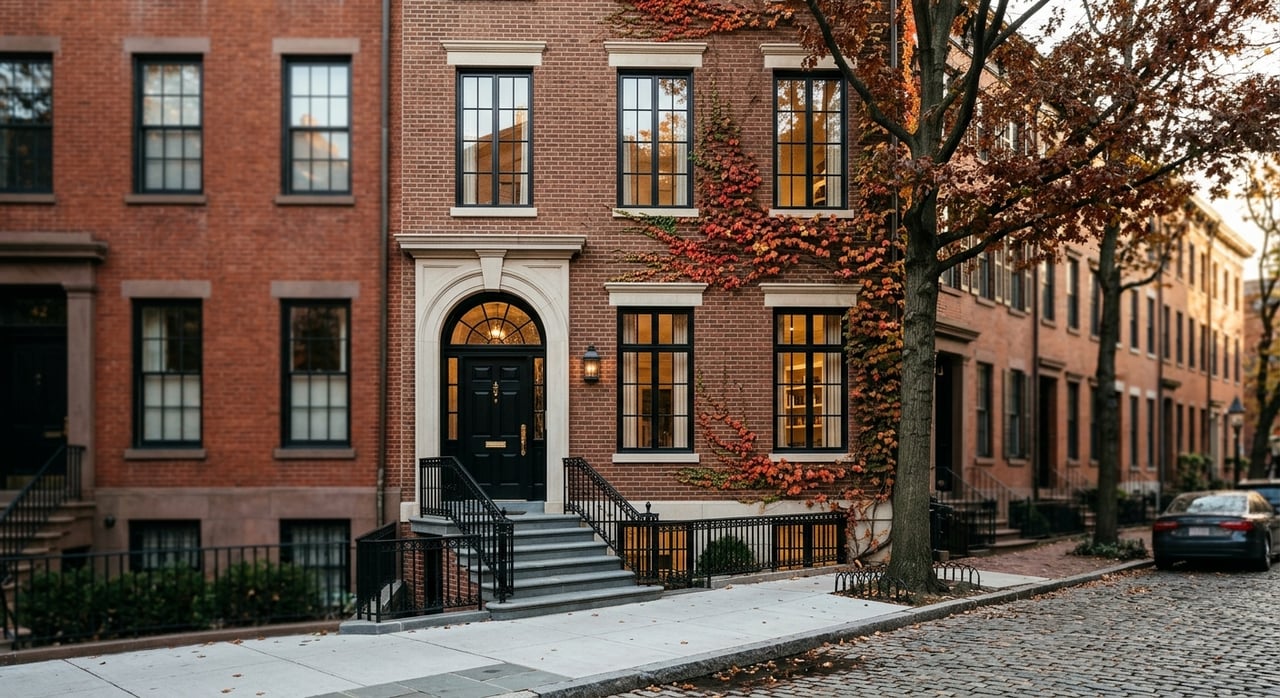
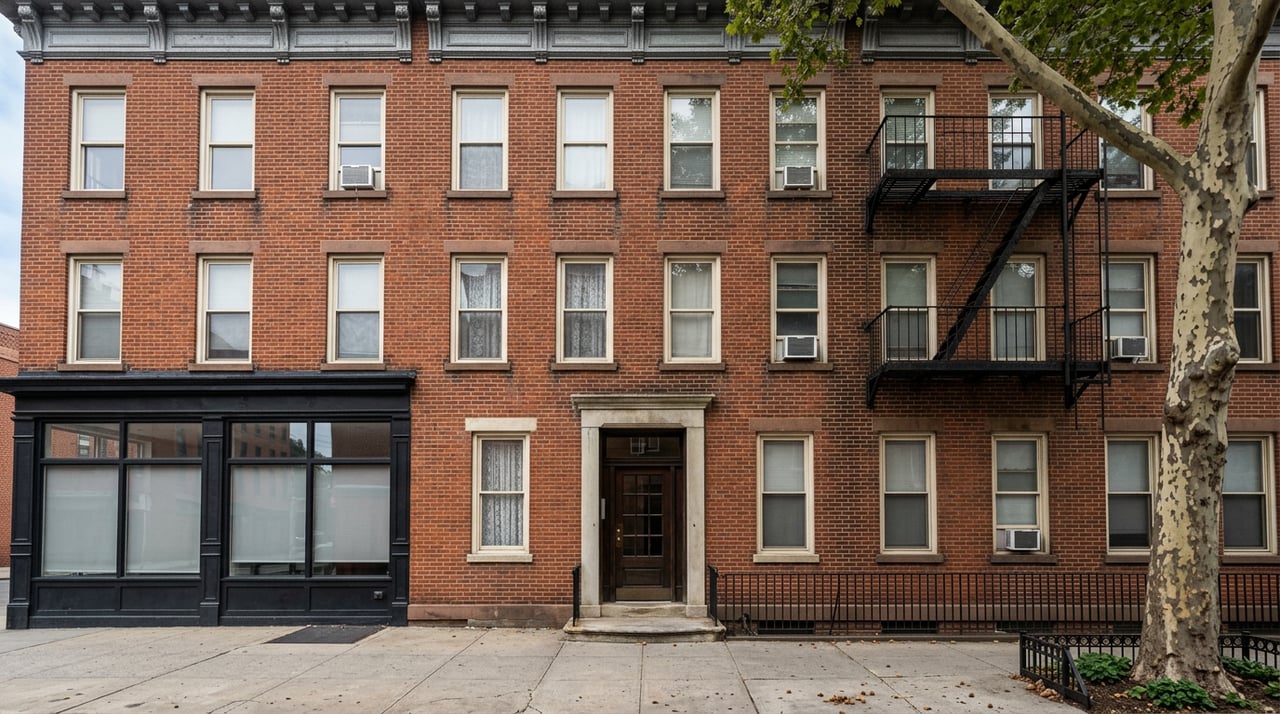
You’ll see 3–6 story prewar walk-ups, brownstones with 2–6 units, and mixed-use buildings with ground-floor retail. Mixed-use adds retail-lease terms, TI allowances, and vacancy risk to your model. On 125th Street, overlay rules influence ground-floor uses and can affect value. Always verify the exact lot’s zoning and overlays before assuming any conversion or expansion potential. Special 125th Street District rules
Historic districts in parts of Harlem bring character and constraints. Landmark status can add review steps for windows, façades, and rooftop work. If a property is landmarked, factor added time and cost into your plan.
Rent regulation 101 for investors
Rent stabilization is one of the biggest value drivers in Harlem underwriting. Coverage commonly applies to buildings with six or more units built between 1947 and 1974, properties tied to certain tax benefits, and other categories defined by state law. The Housing Stability and Tenant Protection Act of 2019 tightened vacancy and improvement rules, which slowed top-line rent growth potential for stabilized units. Always verify DHCR registrations and legal rents early in diligence. NYS HCR rent stabilization overview
Key mechanics to model:
- Stabilized units have legally registered base rents. Annual increases follow Rent Guidelines Board orders.
- MCI and IAI increases exist but are more limited post-2019. Underwrite conservative rent growth for regulated shares.
- A high stabilized share can mean durable occupancy but slower revenue growth. Market-rate shares bring more upside and more turnover risk.
A step-by-step underwriting playbook
Use this checklist to bring discipline to your analysis:
- Confirm the income foundation
- Verify the legal unit count, leases, and DHCR registrations. Reconcile tenant files to the rent roll and bank deposits. NYS HCR rent stabilization overview
- Build Gross Potential Rent from validated leases and realistic market comps. Apply a vacancy/collection loss that aligns with local data. Recent Central Harlem snapshots show low-single-digit vacancy, helpful when setting assumptions. Furman Center Central Harlem profile
- Build a line-item operating budget
- Typical small multifamily expense ratios often land between 30% and 50% of gross rent depending on age, systems, and services. Do not rely on a single rule of thumb; break out taxes, insurance, utilities, maintenance, management, compliance, and legal reserves. Multifamily operating expense guide
- Calculate valuation metrics
- NOI equals Effective Gross Income minus Operating Expenses.
- Cap rate equals NOI divided by purchase price.
- GRM equals price divided by gross rent.
- Run sensitivities for vacancy, expense inflation, and cap-rate movement.
- Model financing and DSCR
- Define loan type and terms (rate, amortization, interest-only, costs) and test DSCR at the store-level NOI. Keep refinance and exit cap-rate assumptions conservative.
- Check permits, violations, and COs
- Pull the DOB/BIS profile to review open violations, prior jobs, and Certificate of Occupancy status. Unresolved items can delay closings and block permits. NYC DOB BIS property profile
Returns and cap rates: reading the market
Harlem buildings often trade at entry yields above core Manhattan, but your specific cap rate depends on rent regulation mix, retail exposure, and condition. Recent northern Manhattan and Harlem transactions reported in the trade press have shown cap rates in the mid-4% to low-6% range depending on these variables. A rent-stabilized building may trade at a lower going-in cap due to stable occupancy but slower rent growth, while a building with more market-rate units can trade higher and carry more upside and risk. Recent local deal reporting
Interest-rate shifts and market sentiment can reprice quickly. When you model, run a plus/minus 50 bps cap-rate sensitivity and test DSCR under stress to see how valuation and cash flow move. Industry research on gateway-market multifamily supports this sensitivity-driven approach. Cap-rate and risk insights
Financing options that fit your plan
- 2–4 units, owner-occupied. Conventional conforming loans or FHA products work well. If you plan renovations as an owner-occupant, the FHA 203(k) program can finance purchase plus rehab for 1–4 unit properties. FHA 203(k) overview
- 5+ units or mixed-use. Agency lenders (Fannie Mae/Freddie Mac) and FHA 223(f) are common for stabilized multifamily, while local banks or portfolio lenders often handle mixed-use or heavier value-add. Expect lenders to focus on DSCR, LTV, and your experience. Multifamily lending context
Tip: Pre-screen sponsor, rent-regulation exposure, and retail share with your lender before you order third-party reports.
Renovation and permitting realities
Most Harlem buildings predate 1978. If you disturb painted surfaces, the EPA’s Renovation, Repair and Painting rules apply, which require certified contractors, containment, and cleaning verification. For larger scopes, assume asbestos testing and potential abatement. Budget time and cost for compliance. EPA RRP rules
Any material plumbing, electrical, or structural work requires DOB permits and, in occupied buildings, Tenant Protection Plans. Unpaid violations or missing permits can delay approvals, so start with a full DOB/BIS review. NYC DOB BIS property profile
Renovation budgets vary widely by scope. Local contractor guidance suggests that modest apartment refreshes often range around $20k–$60k per unit, while mid-range gut work can reach $100k+ per unit and luxury conversions can exceed $300k+. Always get multiple, line-item bids and carry a 10%–25% contingency for latent conditions in older stock. NYC renovation cost guide
Commonly missed items include boilers and steam systems, façade/pointing, egress corrections, elevator work, and full plumbing stacks. For mixed-use, retail tenant improvements and longer lease-up periods can shift returns, so tie your CAPEX to leasing strategy.
A Harlem due diligence checklist
Use this quick list to protect your downside before you sign a contract:
- Pull the DOB/BIS profile for violations, permit history, and the Certificate of Occupancy. NYC DOB BIS property profile
- Collect the rent roll, leases, rent receipts, and DHCR registrations; reconcile to bank deposits and the trailing 12-month P&L. NYS HCR rent stabilization overview
- Inspect the property with a focus on roof, boiler, electrical capacity, water intrusion, and any signs of illegal alterations.
- Scope renovation with a local GC; include lead-safe and asbestos testing, and carry a 10%–25% contingency. EPA RRP rules
- Underwrite with realistic vacancy and expense ratios. Check neighborhood data for vacancy context and use a line-item expense build. Furman Center Central Harlem profile | Operating expense guide
- Pre-qualify financing. For 2–4 units, confirm owner-occupant options and 203(k) if applicable. For 5+ units or mixed-use, review DSCR and retail exposure with your lender early. FHA 203(k) overview
The bottom line for Harlem multifamily
Harlem offers real potential if you bring a disciplined process. Strong renter demand near transit and institutional anchors can support steady cash flow. The biggest variables are rent regulation, the true condition of older building systems, and the cost and timing of code-compliant renovations. If you calibrate cap rates to the actual rent roll, verify DHCR registrations, and price CAPEX with conservative contingencies, you can stack the odds in your favor.
If you’re weighing a Harlem multifamily purchase or sale and want a clear, data-informed plan, reach out. With two decades of NYC experience and a calm, consultative approach, Phyllis M Mehalakes can help you evaluate returns, navigate regulation, and execute with confidence.
FAQs
What cap rates do Harlem multifamily buildings trade at?
- Recent press-reported sales in northern Manhattan and Harlem have shown cap rates in the mid-4% to low-6% range, varying by rent regulation mix, retail exposure, and condition. Deal reporting context
How does rent stabilization affect returns in Harlem?
- Stabilized units tend to provide durable occupancy but slower rent growth due to DHCR rules and 2019 law changes, so you should model conservative increases and verify legal rents via DHCR registration. HCR guidance
What should I check before renovating a Harlem brownstone?
- Confirm permits and CO status on the DOB/BIS site, budget for lead-safe and potential asbestos work, and get line-item GC bids with a 10%–25% contingency for older-building surprises. DOB/BIS | EPA RRP
Can I finance purchase and rehab together on a 2–4 unit?
- If you plan to occupy a unit, the FHA 203(k) program can combine purchase and rehabilitation financing for 1–4 unit properties, subject to program rules and lender approval. FHA 203(k)
What expense ratio should I use when modeling?
- Many stabilized small multifamily properties operate between 30% and 50% of gross rent, but it varies by age, systems, and services; always build a line-item budget instead of relying on a single percentage. Expense guide
How should I stress test my Harlem deal?
- Run cap-rate sensitivities of plus/minus 50 bps and test DSCR under modest NOI declines to see how valuation and cash flow hold up in changing rate environments. Risk and sensitivity context