Thinking about trading standard rooms for sunlit volume, steel windows, and open space? If the Chelsea art-district lifestyle is calling, a loft could be a great fit. The key is understanding what you gain and what you give up before you tour. In this guide, you’ll get clear, practical expectations on benefits, costs, legal status, and renovation realities so you can shop with confidence. Let’s dive in.
What a Chelsea loft is
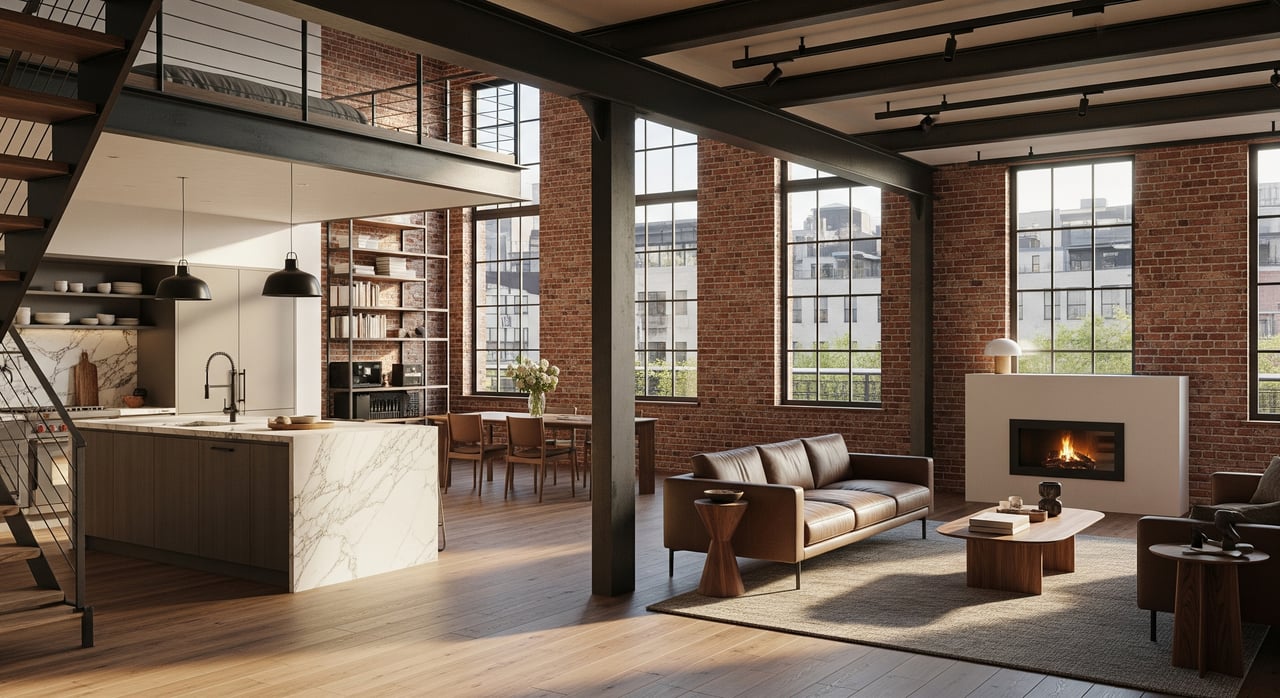
Chelsea’s lofts were often born from former warehouses, factories, and print shops converted to residential use. You’ll see large floor plates, exposed brick, and structural columns that create dramatic sightlines. Transit is excellent, and you are close to galleries, the High Line, and Chelsea Market.
Building basics
- High ceilings, commonly about 10 to 18+ feet, that can allow mezzanines.
- Large industrial-style windows that invite abundant light.
- Exposed brick, beams, and columns that add authentic character.
- A mix of condo and co-op conversions plus some purpose-built residential loft buildings.
Legal status 101
Legal category matters for financing, insurance, and resale. In Chelsea you will encounter:
- Legal condo or co-op lofts with a residential Certificate of Occupancy. You can verify CO status through the NYC Department of Buildings.
- Lofts legalized through the Loft Law. Learn how coverage works via the NYC Loft Board.
- Units still used residentially without a proper CO or legalization. These carry added risk for mortgages, insurance, and future sales.
If a building sits in a landmarked area, exterior changes like windows usually require approval from the NYC Landmarks Preservation Commission.
Advantages you will love
- Volume and light. Tall ceilings and big windows create openness you rarely find in standard apartments. The result is brighter days and more dramatic views.
- Flexible layouts. Open plans let you shape living, dining, and working zones without load-bearing wall constraints. Many buyers add partial partitions or a legal mezzanine where allowed.
- Creative culture. You are near galleries, performance spaces, and a concentration of creative professionals. This lifestyle fit is a big draw for live-work buyers.
- Architectural character. Exposed brick, beams, and industrial finishes provide a sense of authenticity many buyers seek.
- Market positioning. Chelsea is one of Manhattan’s higher-priced neighborhoods. Legal, well-maintained lofts in good locations can support resale potential.
Tradeoffs to plan for
Costs and carrying costs
Lofts often command a premium for ceiling height, size, and character. Monthly expenses can be significant once you include maintenance or common charges, property taxes, and utilities. Heating and cooling a high-volume space can cost more, and insurance may be higher, especially for live-work or original-window buildings. Lenders and insurers typically favor legal residential units with a proper CO.
Sound and privacy
Open plans and tall ceilings can amplify echoes and allow sound to travel between zones. Older party walls and wood floors may transmit neighbor noise. Single-pane steel windows provide less sound insulation unless retrofitted.
Renovation and permits
If you plan a new mezzanine, kitchen rework, or systems upgrade, expect permits and professional drawings. Co-ops require board approval, and condos still have building rules. Structural, mechanical, or egress changes trigger Department of Buildings reviews. Start with the DOB’s permits and CO guidance, and if the building is landmarked, check the LPC rules. If a unit’s residential status depends on Loft Law coverage, consult the Loft Board’s resources before you plan work.
Systems and safety
Some conversions lack central air, and retrofitting ductwork in exposed spaces can be complex. Older electrical and hot-water systems may require upgrades to support modern appliances. Mezzanines and added sleeping areas must meet fire safety and egress requirements under DOB rules.
Storage and access
Original industrial layouts usually did not include generous closets. Plan for storage solutions or a custom build-out. Moving large furniture can be tricky if the elevator is small or freight-only.
Neighborhood change
Chelsea sees ongoing development. Nearby construction can affect light, noise, and short-term desirability. Streetscapes and retail can evolve as the arts district shifts.
Smart due diligence steps
- Confirm legal status. Ask for the Certificate of Occupancy and any Loft Law documentation. Review Loft Board determinations for legalized buildings through the NYC Loft Board.
- Check permits and approvals. Review past unit renovations and open permits on the DOB website. Ask about board processes and typical timelines for similar projects.
- Landmark implications. If the building is in a landmark district, understand window and facade rules via the LPC site.
- Building financials. Request recent common charges or maintenance statements, property taxes, reserve fund details, and any planned assessments or litigation.
- Systems and history. Ask about HVAC type and age, electrical capacity, hot-water systems, and window upgrades or replacements.
- Insurance and lending. Confirm that conventional lenders have financed recent sales in the building and price out insurance for your intended use, especially if you need a live-work policy.
First-visit checklist
- Physical checks: Verify ceiling height; inspect windows for condition and insulation; feel for floor bounce or slope; look for water stains or past leaks near ceilings and windows; confirm ventilation and AC type.
- Acoustic checks: Visit at different times if possible. Stand in potential sleeping areas or mezzanines to gauge sound from neighbors and the street.
- Documents to request: CO and conversion paperwork, recent building financials, meeting minutes on capital projects, unit renovation permits, and any LPC approvals.
- Questions to ask: How long the owner has lived in the unit, details and permits for renovations, warranties for recent work, any assessments or violations, and any prior commercial use.
Who a Chelsea loft fits
- Live-work buyers. Prioritize legal live-work status or Loft Law coverage, durable flooring, and strong natural light.
- Entertainers. Focus on ceiling height, sightlines, kitchen footprint, and whether the building has permitted legal mezzanines.
- Long-term residents. Consider privacy, soundproofing options, HVAC efficiency, and building rules for adding partitions.
- Investors. Seek fully legal units with solid building financials and good comparable sale history.
Bottom line
Chelsea lofts deliver volume, light, and authenticity in one of Manhattan’s most creative districts. In return, you accept higher upfront and monthly costs, acoustics you may need to tame, and renovation processes that require planning. If you align the legal status, systems, and building financials with your goals, a Chelsea loft can be both inspiring and practical.
If you want help separating great spaces from costly surprises, connect with Phyllis M Mehalakes for a data-informed, neighborhood-savvy search.
FAQs
What defines a “legal” Chelsea loft for buyers?
- A legal loft has a residential Certificate of Occupancy or Loft Law coverage; verify status through the NYC Department of Buildings and the NYC Loft Board.
How do landmark rules affect Chelsea loft renovations?
- Exterior work like window changes in landmarked areas typically requires NYC Landmarks Preservation Commission approval before DOB permits.
Are Chelsea lofts harder to heat and cool than apartments?
- Often yes, because tall ceilings increase volume; expect higher energy use and consider HVAC upgrades or zoned systems.
Can I add a mezzanine in my Chelsea loft?
- Possibly, but you will need DOB permits, board approval, and compliance with egress and fire safety rules; check if other units have approved mezzanines.
What should I review in building financials before buying a loft?
- Look at reserve fund levels, common charges or maintenance history, property taxes, capital projects, and any pending assessments or litigation.