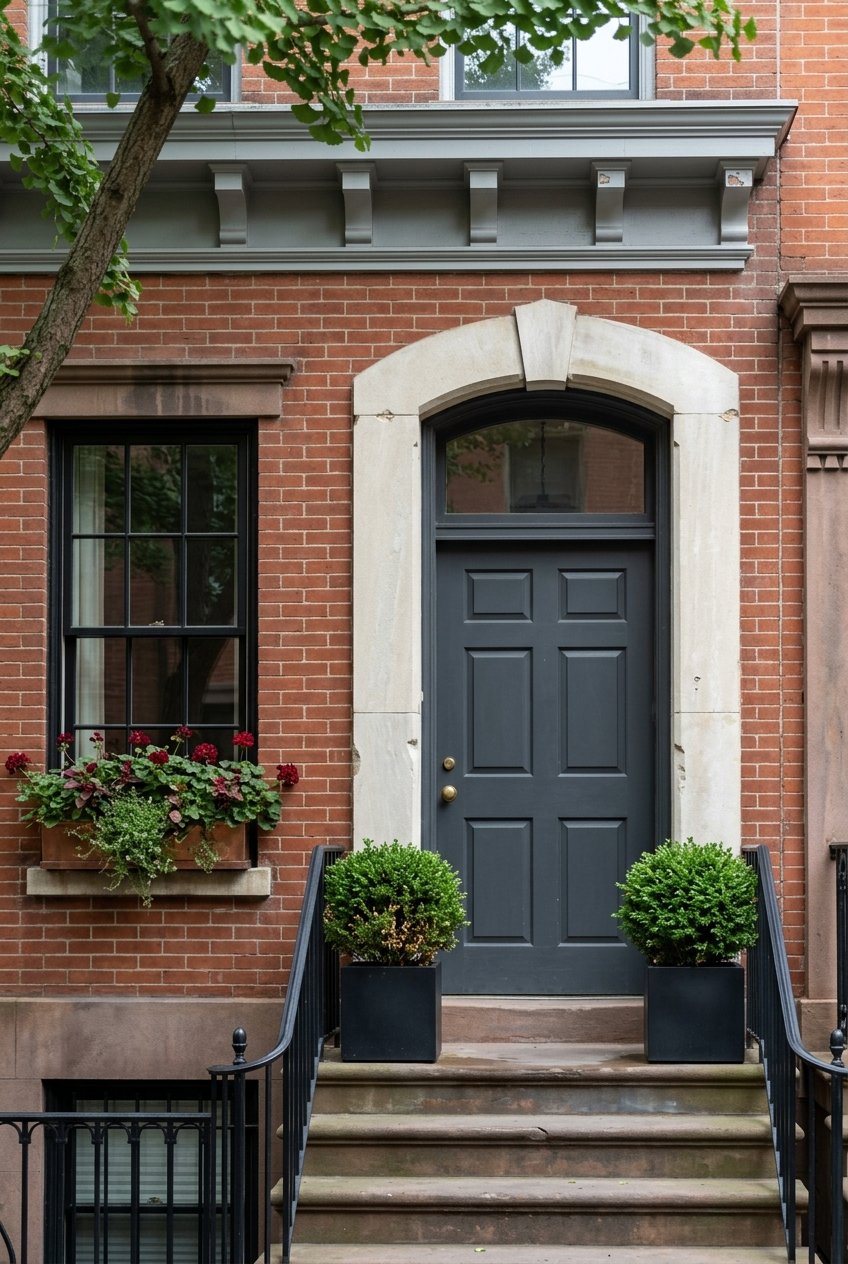
Selling a West Village townhouse in a landmark district can feel like a sale and a compliance project rolled into one. You want to present the house at its best, answer buyer questions with confidence, and avoid last-minute surprises that can slow a deal. The good news is that with the right preparation, landmark status does not have to be a source of confusion. It can become part of a clear, well-managed sales strategy. Let’s dive in.
Know Your Exact Landmark Status
In the West Village, landmark rules start with the address, not just the neighborhood name. Nearby blocks can fall into different Landmark Preservation Commission districts, including the Greenwich Village Historic District, Greenwich Village Historic District Extension, Greenwich Village Historic District Extension II, South Village Historic District, and the Weehawken Street Historic District.
That matters because a buyer, architect, or attorney may ask exactly which designation applies to your townhouse. The LPC also notes that the review process is the same whether a property is an individual landmark or a building in a historic district. For sellers, the first step is simple: confirm the designation by address and organize that information early.
The history of these districts also shapes buyer perception. The Greenwich Village Historic District was designated in 1969 and described by LPC as the city’s largest historic district, originally covering more than 2,000 buildings across more than 65 blocks. Later designations, like the Far West Village extension and the Weehawken Street district, reflect the area’s layered architectural history.
Pre-Listing Work May Need LPC Review
A common mistake is assuming a small exterior update can be handled just because it seems routine or because it may comply with zoning. In a landmark district, that is not enough. LPC requires permits for exterior restoration, in-kind replacement, alteration, reconstruction, demolition, and new construction that affects a landmarked building or a building in a historic district.
LPC also makes clear that approval may be required even when the work does not need a Department of Buildings permit. It can also be required when the affected exterior area is not visible from the street. For a townhouse seller, that can catch people off guard.
Some ordinary repairs and maintenance generally do not require LPC approval. Examples LPC gives include replacing broken window glass, repainting in the existing color, or caulking around windows and doors. But once a project changes the exterior character of the house, review may be needed.
Exterior Projects That Can Trigger Review
If you are preparing a West Village townhouse for sale, these common projects may require LPC review:
- Window replacement
- Door replacement
- Facade repairs
- Cornice work
- Rooftop additions
- Rear or side additions
- HVAC penetrations
- Changes affecting stoops
- Changes affecting areaways
- Work involving sidewalks or fences
This is where process matters. LPC says staff reviews whether proposed changes fit the architectural and historic character of the building and district. If a proposal does not qualify for staff-level approval, it may move to a public hearing for a Certificate of Appropriateness.
Review Timelines Can Affect Your Listing Plan
If you are considering work before listing, timing should be part of the conversation from day one. LPC states review timeframes for complete applications at 20 working days for a Permit for Minor Work, 30 working days for a Certificate of No Effect, and 90 working days for a Certificate of Appropriateness.
Those are meaningful windows in a live market. If your sales strategy depends on fresh exterior work, a façade adjustment, or a roof-related improvement, you need to account for review time before choosing a launch date.
The encouraging part is that LPC says 95% of permit approvals are issued at staff level. Still, sellers should not assume that a project will automatically move quickly or qualify for the same type of approval as a neighbor’s project. The details of the building, the block, and the proposed scope all matter.
Zoning Approval Is Not the Same Thing
This point is especially important in the West Village, where buyers often think ahead about future use, expansion, or redesign. A zoning-compliant change is not automatically approvable under the Landmarks Law. LPC explicitly says it reviews additions and other changes in the context of the surrounding historic district and may find a project inappropriate even when zoning would allow it.
That creates a practical issue during a sale. If a buyer is paying partly for future potential, they may ask whether an addition, roof bulkhead, reworked rear façade, or other exterior change could be approved later. You should be careful not to present zoning as a guarantee of landmark approval.
A well-prepared marketing strategy usually focuses on what is documented and known. That includes the townhouse’s current legal and physical condition, its prior approvals, and its architectural character as it stands today.
Renovation Records Matter More Than Many Sellers Expect
For landmarked townhouses, paperwork can be just as important as finishes. LPC’s current permit system can include photographs, architectural plans, presentations, and amendment materials such as revised DOB drawings and a list of changes from the original approval.
That means buyers and their counsel may expect a reliable renovation paper trail, especially if the house has had visible exterior work. Missing records do not always mean a problem exists, but they can create uncertainty, and uncertainty can affect negotiations.
LPC’s permit search covers applications filed and permits issued since January 1, 2016. Older permit histories require a Records Access Request. If your ownership spans many years, gathering records early can save time later.
Documents Worth Organizing Before Listing
If available, it helps to gather:
- LPC permits
- Approved drawings
- Amendment approvals
- Contractor specifications
- Dated photographs
- DOB-related drawings connected to approved landmark work
- Records showing when work was completed
These materials can help answer a buyer’s most common questions: Was the work approved? When was it done? Was anything changed from the approved plan? If a feature is no longer original, was that condition already in place before designation?
Violations Can Complicate a Closing
One of the biggest resale issues is not always visible in the house itself. It may sit in the property record. LPC says unresolved landmark violations remain active against the property until corrected, can hold up DOB permits, and can create problems for refinancing or selling.
That is why a finished-looking renovation is not the same thing as a cleared file. If work required authorization, the owner must request a Notice of Compliance to clear the violation after corrective work is completed by permit.
For sellers, this is where preparation pays off. An active violation, unsigned-off work, or uncertainty about approvals can become a closing issue even if the townhouse shows beautifully.
Why Buyers Ask Detailed Landmark Questions
Buyer questions usually center on a few practical concerns:
- Are there any active landmark violations?
- Was prior exterior work approved?
- Can missing documentation be produced?
- Were permits closed out properly?
- Could unresolved issues affect future permits or financing?
These are reasonable questions in a West Village townhouse sale. They reflect LPC’s enforcement rules and the fact that landmark compliance follows the property, not just the contractor or prior owner.
Landmark Status Can Help and Complicate Marketing
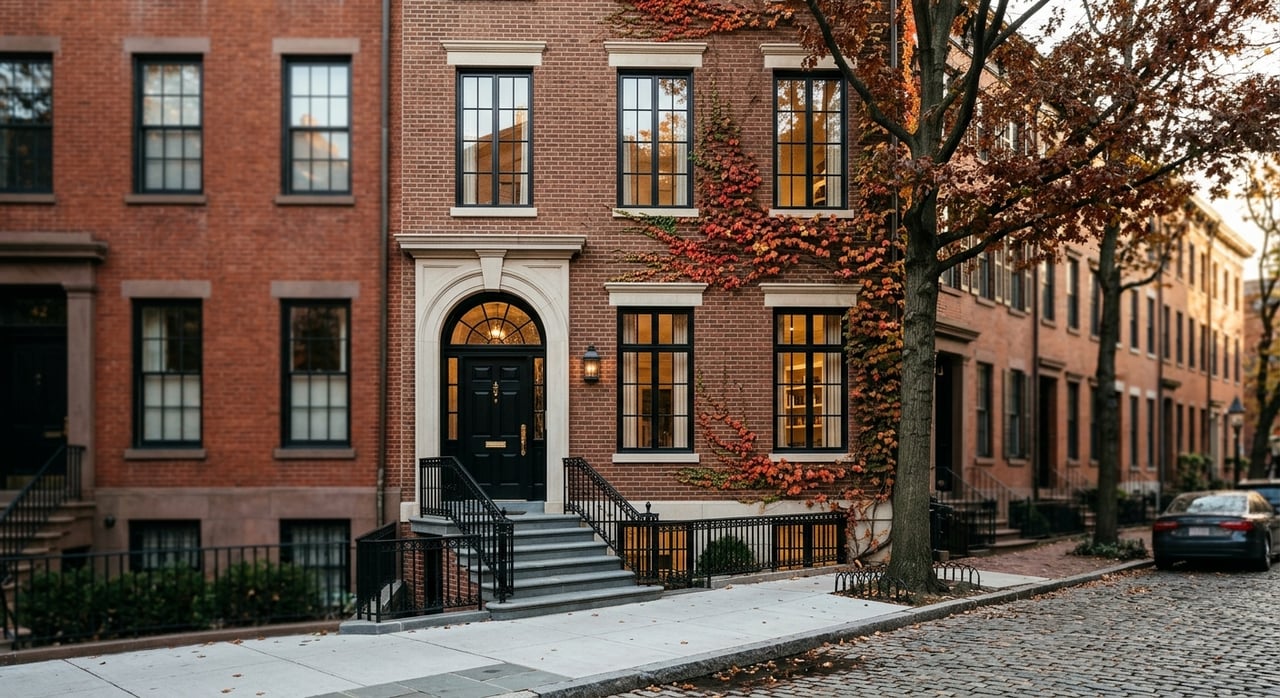
Landmark designation is often part of what makes a West Village townhouse so compelling. The preserved streetscape, historic context, and architectural continuity can be real marketing strengths. Buyers who want a townhouse in this part of Manhattan are often responding to exactly that sense of place.
At the same time, landmark status does not create one predictable pricing result. New York City research does not show a single uniform price effect from historic-district designation. The 2003 Independent Budget Office study found a statistically significant premium for one-, two-, and three-family homes inside historic districts, but that premium varied substantially over time.
A later Furman Center and NBER study found that designation increased values citywide and lifted values in the 250-foot buffer outside historic districts. But inside Manhattan, the gain was not greater than comparable surrounding neighborhoods. The NBER working paper similarly concluded that designation raised property values within historic districts only outside Manhattan.
The takeaway is practical. In the West Village, landmark status is better viewed as a market-shaping factor than as an automatic premium or discount. It can support the story, the setting, and the scarcity of the asset, while also narrowing the buyer pool for those who want major exterior changes.
Position Your Townhouse for Buyer Confidence
The strongest West Village townhouse listings often do two things at once. They highlight the property’s architectural identity and location while reducing uncertainty around compliance and condition. That balance can help attract serious buyers and support cleaner negotiations.
A thoughtful pre-sale plan may include confirming the landmark district, reviewing any exterior work history, checking for unresolved issues, and deciding whether unfinished pre-listing projects are truly worth pursuing. In some cases, clear documentation is more valuable than rushing into a cosmetic exterior update that could trigger review.
This is also where a townhouse-focused advisor can add value. The right guidance is not just about presentation and pricing. It is also about timing, records, buyer expectations, and how to frame landmark status accurately and confidently in the market.
If you are thinking about selling a West Village townhouse, Phyllis M Mehalakes can help you prepare the property, clarify the process, and market it with the kind of neighborhood-specific strategy these homes deserve.
FAQs
What landmark districts can apply to a West Village townhouse?
- Depending on the address, a West Village townhouse may fall within the Greenwich Village Historic District, Greenwich Village Historic District Extension, Greenwich Village Historic District Extension II, South Village Historic District, or Weehawken Street Historic District.
What exterior work on a West Village townhouse usually needs LPC approval?
- LPC approval may be required for exterior restoration, in-kind replacement, alteration, reconstruction, demolition, and new construction, including projects such as window or door replacement, facade repairs, cornice work, rooftop additions, HVAC penetrations, and changes to stoops, areaways, sidewalks, or fences.
What repairs on a landmarked West Village townhouse usually do not need LPC approval?
- LPC says ordinary repairs and maintenance such as replacing broken window glass, repainting in the existing color, or caulking around windows and doors generally do not require approval.
How long does LPC review take for West Village townhouse permits?
- LPC states that review timeframes for complete applications are 20 working days for a Permit for Minor Work, 30 working days for a Certificate of No Effect, and 90 working days for a Certificate of Appropriateness.
Can missing LPC records affect a West Village townhouse sale?
- Yes. Missing approvals, incomplete permit history, or unsigned-off work can create questions during due diligence, and unresolved landmark violations can create problems for selling or refinancing.
Does landmark status always increase a West Village townhouse’s value?
- No. Research does not show a single uniform price effect in New York City, and Manhattan did not show greater gains than comparable surrounding neighborhoods in the later Furman Center and NBER study.