Looking for a Manhattan neighborhood that feels unexpectedly hushed? Gramercy townhouse living stands out because it blends historic architecture, planted front gardens, and quieter residential streets with easy access to transit, parks, and everyday conveniences. If you are curious about what makes these homes and blocks so distinctive, this guide will walk you through the character, layout, and lifestyle that define the area. Let’s dive in.
Why Gramercy Feels Different
Gramercy is centered on Gramercy Park, a private square created in 1831 that still shapes the neighborhood’s identity today. New York City’s Landmarks Preservation Commission describes the district as a quiet residential enclave that has retained much of its original character. That sense of continuity is a big part of what draws townhouse buyers here.
For everyday orientation, the neighborhood is generally described as a primarily residential area between First and Third Avenues and East 14th and East 23rd Streets. Commercial activity is more concentrated along First Avenue, while the streets around the park feel more enclosed and residential. In a part of Manhattan known for constant motion, that balance can feel rare.
Gramercy Architecture at a Glance
Gramercy’s townhouse appeal starts with the streetscape. The historic district still includes a majority of Anglo-Italianate, Greek Revival, and Gothic Revival houses, giving the neighborhood a layered but cohesive architectural identity. You can see that consistency in the brick and brownstone facades, formal entrances, and ornamental details that repeat from block to block.
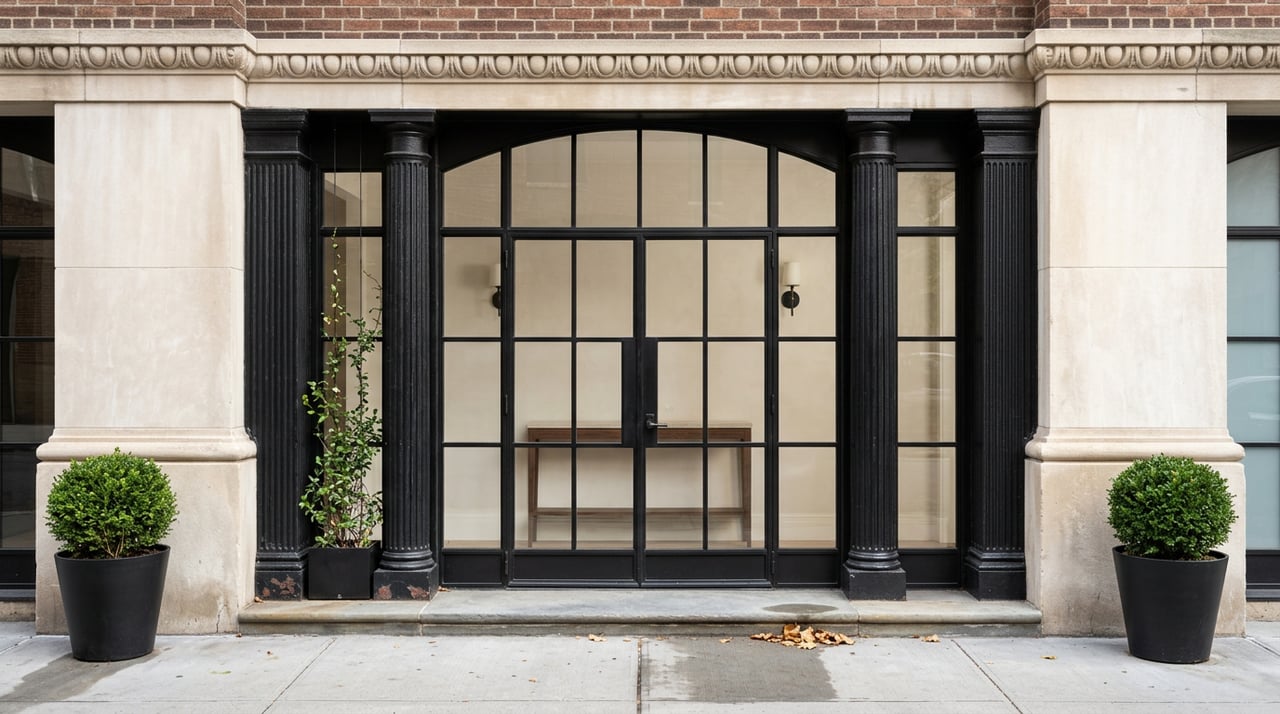
The Landmarks Preservation Commission highlights features like handsome lintels, molded cornices, stately entranceways, cast-iron porches, and small front gardens. These details do more than make the houses attractive. Together, they create a distinct visual rhythm that helps the blocks feel calm, elegant, and connected.
On the west side of Gramercy Park, five townhouses dating from 1844 to 1850 show this architectural mix clearly. Numbers 3, 4, and 5 are Greek Revival examples, while Numbers 1 and 2 are more ornate Italianate houses. For buyers, this means townhouse inventory here is not just about square footage. It is also about architectural style, historic detail, and how each home sits within a remarkably intact streetscape.
Historic Character Extends Beyond Rowhouses
While townhouses define much of the neighborhood’s identity, Gramercy’s architecture also extends into the early 20th century. The 1988 historic district extension included 36 Gramercy Park East, a 1908 to 1910 co-op designed by J. Riely Gordon and noted for its Gothic-style ornament and glazed terra cotta. That broader architectural range helps explain why the neighborhood feels visually rich without losing cohesion.
What Townhouse Living Usually Looks Like
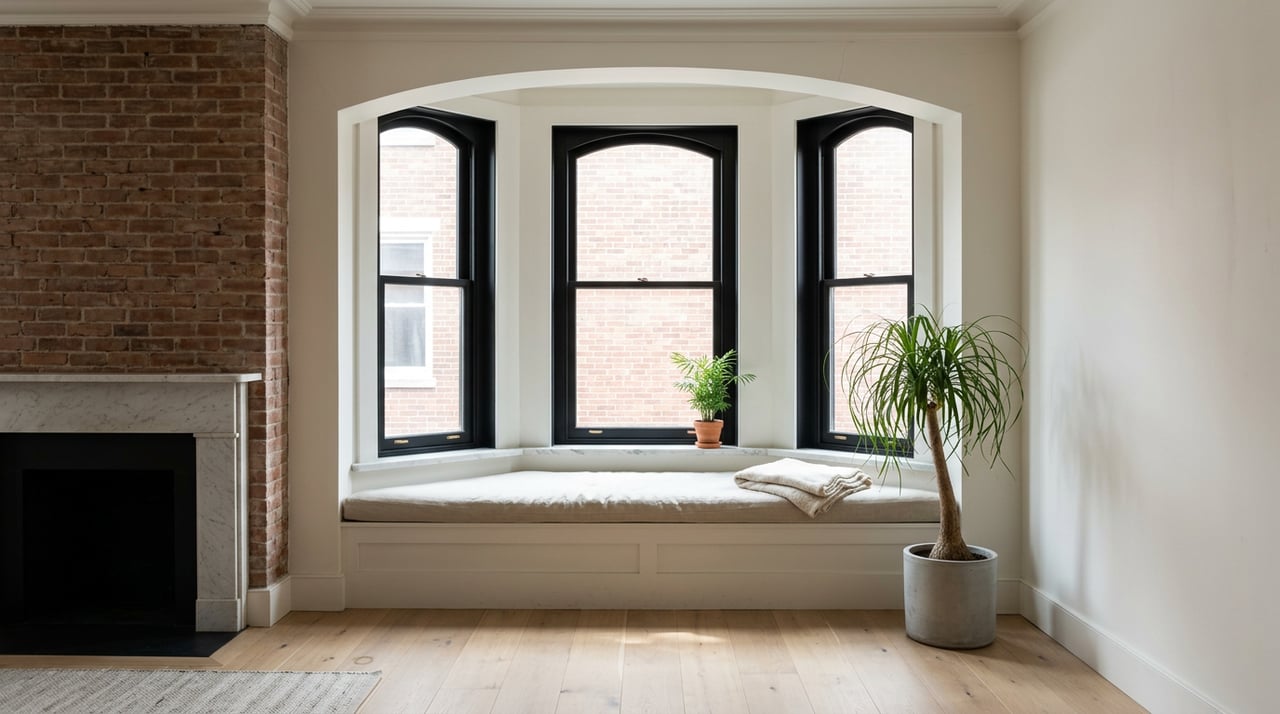
In Manhattan, townhouse living is often organized vertically, and Gramercy generally follows that pattern. A typical shorthand is a house arranged around a basement or garden level, a parlor floor, and upper residential floors. In practical terms, that often means formal front-facing rooms on the main entertaining level, with living, dining, or service spaces arranged above or below.
This layout creates a very different experience from apartment living. Instead of everything unfolding on one level, your day moves through the house vertically. That can offer more separation between entertaining, private rooms, and outdoor areas, which many buyers find appealing.
Outdoor Space Is Usually Private and Compact
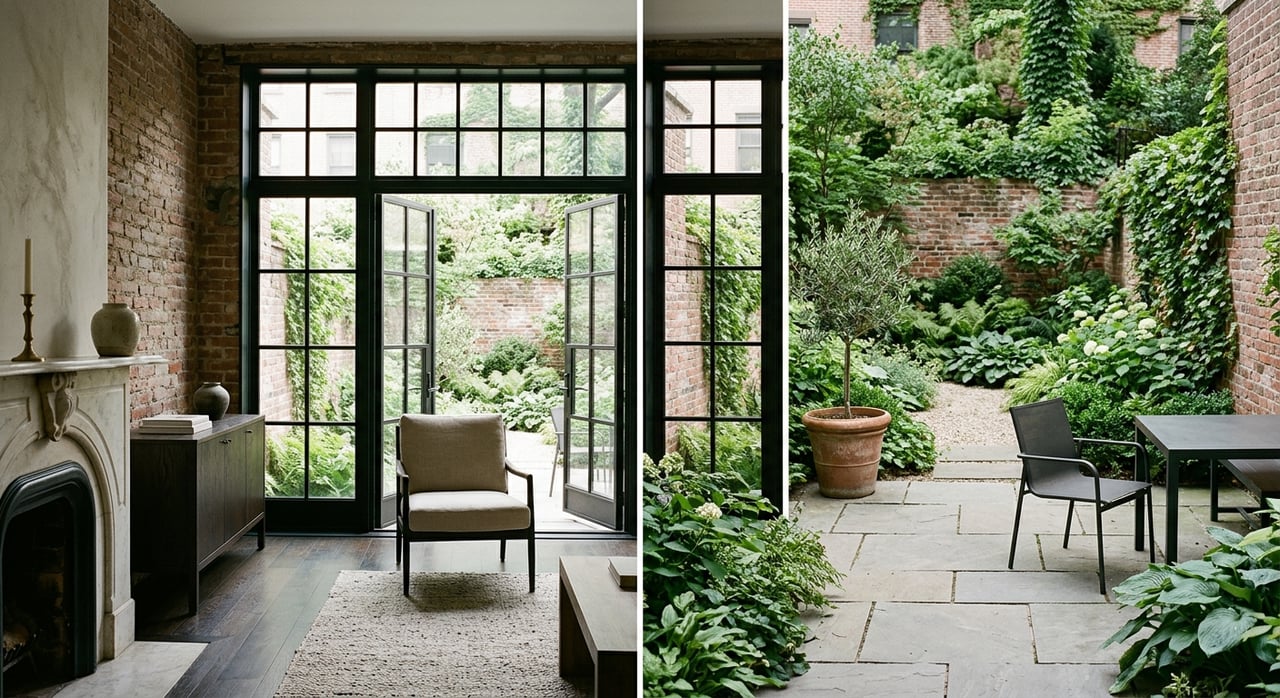
If you are picturing a large suburban yard, Gramercy townhouses are a different proposition. Outdoor space is more likely to be private and compact, often tied to a rear yard, terrace, or roof area rather than a broad lawn. That smaller scale is part of the neighborhood’s charm and fits the urban townhouse lifestyle.
Front gardens also matter here. The Landmarks report specifically notes the small gardens and planting in front of many houses, with shady trees helping the buildings read as part of the park setting. In other words, the planted fronts are not just decorative touches. They are part of what makes the streets feel softer and more residential.
Quiet Streets, Park-Centered Blocks
One of Gramercy’s biggest lifestyle advantages is how the street pattern reinforces a sense of enclosure. The compact grid around Gramercy Park East, West, North, and South creates a neighborhood experience that feels centered and legible. You can feel that quickly when walking the area.
The Landmarks Preservation Commission has described Gramercy as having a distinct sense of place and a coherent streetscape, with a quiet, withdrawn charm despite the intensity around it. That may be the simplest way to explain the neighborhood’s appeal. You are still in Manhattan, but some blocks feel set apart from the usual pace.
Gramercy Park Access Is Not Universal
A common buyer question is whether every Gramercy townhouse comes with access to Gramercy Park. The answer is no. Park access is controlled by key holders under the original deed, so it is a specific property-related privilege rather than a neighborhood-wide amenity.
That distinction matters when comparing homes. If park access is important to you, it should be confirmed early as part of your search rather than assumed based on address alone.
Historic District Review Matters
If you are considering a Gramercy townhouse, exterior work should be viewed through the lens of historic district review. In designated historic districts, exterior alterations are reviewed by the Landmarks Preservation Commission, and owners file permits through Portico. The city’s position is not that change is forbidden, but that proposed work is reviewed for compatibility.
That has practical implications for buyers and owners. Changes to facades, stoops, windows, rear additions, and roof work may be possible, but they are not casual projects. If you are buying with renovation plans in mind, it helps to think early about timing, approvals, and how your goals align with the building and the block.
Parks, Dining, and Daily Convenience
Gramercy’s quieter townhouse blocks do not mean isolation. One reason the neighborhood works so well is that it combines a residential feel with strong access to nearby open space and practical amenities. That makes daily life easier without changing the area’s core character.
Madison Square Park sits at Madison Avenue between 25th and 26th Streets, and Union Square Park stretches from Broadway to 4 Avenue and East 14th to East 17th Streets. Union Square Park also adds useful amenities such as dog-friendly areas, eateries, public restrooms, Wi-Fi hot spots, and the Greenmarket. For many buyers, that mix supports both routine errands and weekend downtime.
Asser Levy Playground, located along FDR Drive from East 23rd to East 25th Streets, adds more active recreation options. It includes a recreation center, indoor and outdoor pools, fitness equipment, and playgrounds. When you combine these nearby destinations with Gramercy’s calmer side streets, the neighborhood offers a lifestyle that feels both settled and connected.
Gramercy Transit Is a Major Advantage
Transit is one of Gramercy’s strongest practical selling points. The MTA neighborhood map shows 14 St-Union Sq serving the E, L, N, Q, R, 4, and 6 lines. The same map places 23 St and 28 St near the neighborhood, and the M23-SBS stops at East 23rd Street and Park Avenue South as well as East 23rd Street and Broadway.
For townhouse buyers, that matters more than it might seem at first glance. The neighborhood can feel tucked away on residential blocks, but your connection to the rest of Manhattan is still fast and flexible. That combination of calm and convenience is one of Gramercy’s defining strengths.
What Buyers Often Value Most
At the search stage, many buyers are drawn to Gramercy for the same core reasons. The preserved architecture creates a feeling of permanence. The planted fronts and tree-lined context soften the blocks visually. The park-centered layout adds a sense of enclosure that is unusual in Manhattan.
Just as important, the neighborhood is not only about appearance. It also works well in practical terms, with nearby commercial corridors, major subway access, and multiple parks in reach. If you are comparing townhouse options across downtown and midtown Manhattan, Gramercy often stands out because it offers both atmosphere and usability.
Whether you are evaluating a purchase, planning a future sale, or thinking through the renovation realities of a historic townhouse, neighborhood-specific guidance matters. For tailored advice on Gramercy townhouses and other Manhattan properties, connect with Phyllis M Mehalakes.
FAQs
Does every Gramercy townhouse come with Gramercy Park access?
- No. Gramercy Park access is controlled by key holders under the original deed, so it is not a universal feature of every townhouse in the neighborhood.
What architectural styles define Gramercy townhouses?
- The historic district includes many Anglo-Italianate, Greek Revival, and Gothic Revival houses, along with characteristic brick and brownstone facades, molded cornices, and formal entrance details.
What is a typical Gramercy townhouse layout?
- Gramercy townhouses usually follow a vertical layout with a basement or garden level, a parlor floor, and upper residential floors, often paired with compact private outdoor space.
Can you renovate a townhouse in Gramercy?
- Yes, but exterior changes in the historic district are reviewed by the Landmarks Preservation Commission for compatibility, so projects like facade updates, window changes, rear additions, and roof work require a more formal process.
What makes Gramercy feel quieter than nearby neighborhoods?
- Gramercy’s park-centered blocks, preserved streetscape, planted front gardens, and primarily residential character help create a calmer feel than many nearby Manhattan areas.
How convenient is transit from Gramercy?
- Transit access is strong, with nearby service at 14 St-Union Sq on the E, L, N, Q, R, 4, and 6 lines, plus nearby 23 St and 28 St stations and M23-SBS stops along East 23rd Street.