Thinking about moving up on the Upper East Side can feel exciting right up until the numbers and building rules hit your desk. If you are selling a starter apartment and buying your next home in this part of Manhattan, you are not just shopping for more space. You are also navigating a layered market with very different price points, ownership structures, and costs from one block to the next. This guide will help you understand how to plan the move, compare your options, and focus on the details that matter most. Let’s dive in.
Why the Upper East Side works for move-up buyers
The Upper East Side stands out because it is not one uniform market. Some of its most expensive homes sit closer to Park and Fifth Avenues, while prices tend to become more moderate as you move farther east. That matters if you want to stay in the neighborhood but stretch your buying power more strategically.
It also offers a wide mix of housing types and daily conveniences. The area includes Lenox Hill, Yorkville, and Carnegie Hill, along with access to Central Park, Museum Mile, grocery stores, restaurants, and cultural institutions. For many buyers, that mix makes it easier to trade up without giving up the lifestyle that drew them to the neighborhood in the first place.
Current market snapshots also show why planning matters. StreetEasy reports a median sale price of $1.2 million for the neighborhood, while Realtor.com’s March 2026 overview shows about 1,800 for-sale listings, a $1.70 million median asking price, a 63-day median days on market, and a 98% sales-to-list ratio. Those figures measure different things, but together they point to a market that remains expensive, active, and highly segmented.
Start with your usable equity
When you move up, the key question is not just what your current home might sell for. It is how much of your equity you can actually use for the next purchase after your existing mortgage payoff, taxes, and closing costs are accounted for. In Manhattan, those line items can make a meaningful difference.
If you are selling, New York State imposes a real estate transfer tax of $2 per $500 of consideration, which equals 0.4%. Responsibility normally rests with the seller, and the tax is due no later than 15 days after the deed is delivered. New York City also imposes its own Real Property Transfer Tax, which is 1% for certain residential transfers of $500,000 or less and 1.425% when the consideration is more than $500,000.
If you are buying your next home for $1 million or more, New York State also imposes the mansion tax on the buyer. The base mansion tax starts at 1% on residential conveyances of $1 million or more. If you are financing the purchase, New York City also charges a mortgage recording tax when the mortgage is recorded.
The practical takeaway is simple: your next-home budget should be built from net proceeds, not headline sale price. Before you set your search range, it helps to map out the likely sale proceeds from your current home and the tax and financing costs tied to the next one.
Compare co-op, condo, and townhouse ownership
Moving up on the Upper East Side often means choosing not just a bigger home, but a different form of ownership. That shift can affect your timeline, your due diligence, and your monthly costs.
Co-op ownership basics
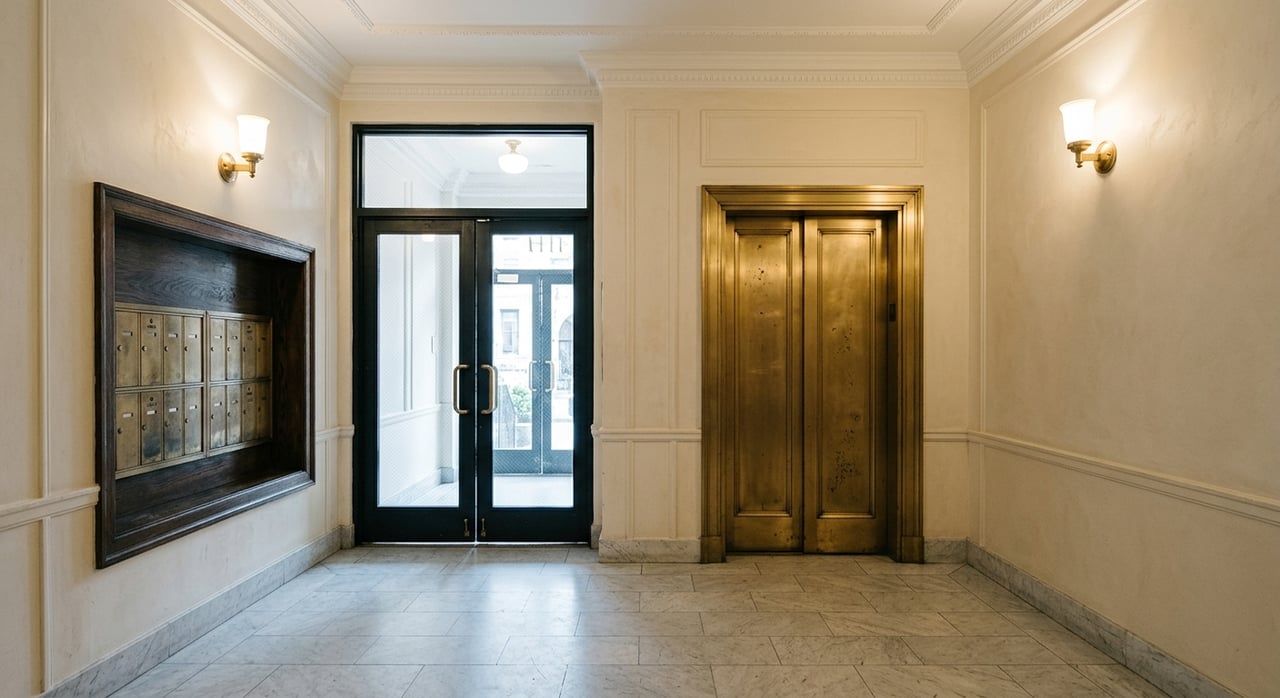
A co-op buyer does not purchase deeded real estate in the same way a condo buyer does. According to the New York State Attorney General, you buy shares in a corporation that are allocated to a specific apartment, and those shares give you a proprietary lease. Maintenance charges are based on share allocation.
For move-up buyers, that means building-level review is often a major part of the process. Financial statements, board minutes, and disclosure materials can all shape your comfort level with the purchase. A larger apartment in a well-known building may still require careful review before you commit.
Condo ownership basics
A condo buyer owns a separate real estate unit plus an undivided interest in the building’s common elements. That structure can feel more straightforward, but it does not remove the need for diligence. The Attorney General recommends reading the full offering plan and consulting an attorney before signing a purchase agreement.
If you are moving from a starter unit into a larger condo, take time to review the building’s financial reports, disclosure history, and any repair plans. A more polished listing does not always mean lower long-term risk.
Townhouse ownership basics
Townhouses offer a very different ownership experience. You gain more direct control over the property, but you also take on a different level of responsibility for upkeep, records, and future exterior work.
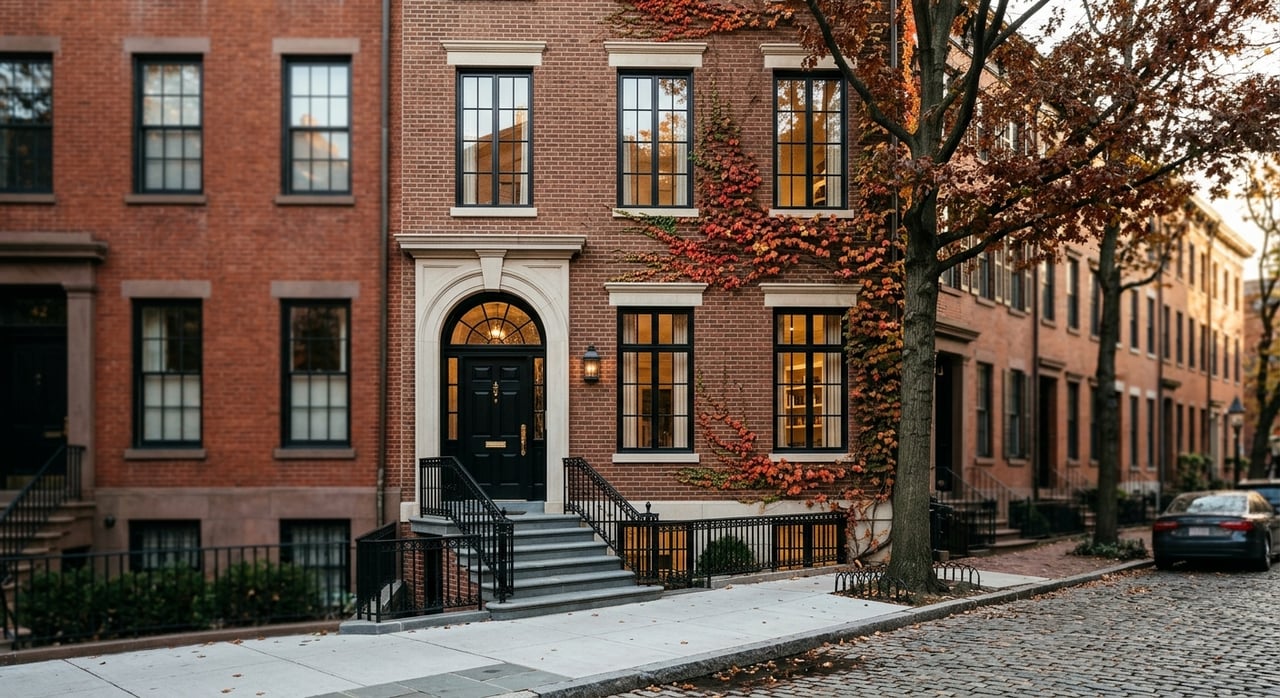
On the Upper East Side, that can be especially important because the neighborhood contains seven historic districts and more than 120 individual landmarks designated by the Landmarks Preservation Commission. If a townhouse is in a historic district, most exterior alterations generally require LPC permits. If you are dreaming about changing windows, the façade, stoop, roof, or terrace, confirm the property’s landmark status early.
Understand carrying costs before you buy
The purchase price is only part of the move-up picture. Your monthly and annual carrying costs can vary meaningfully depending on whether you buy a co-op, condo, or townhouse.
New York City explains that annual property tax is calculated by multiplying taxable value by the current tax rate for the property’s tax class. For tax year 2026, the city lists a Class 2 rate of 12.439%. That matters because co-ops, condos, and townhouses can sit in different tax and assessment situations, even when they are only a few blocks apart.
Some co-op and condo owners may also benefit from the city’s Cooperative and Condominium Property Tax Abatement. The building’s managing agent or board must apply on behalf of eligible units, and the filing deadline is February 15. Current rules also require primary residency information from shareholders or unit owners, so it is worth confirming how a specific building handles that process.
Focus on micro-neighborhoods, not just the ZIP code
One of the biggest mistakes move-up buyers make is treating the Upper East Side as a single market. In reality, it is a collection of submarkets with different housing stock, street character, and pricing patterns.
Carnegie Hill
Carnegie Hill is often a strong fit if you want a more classic, residential feel. StreetEasy describes it as running along the east side of Central Park around 86th to 98th Streets, with nearby cultural institutions including the Cooper Hewitt, the Guggenheim, and the Jewish Museum.
For many buyers, this area appeals because it can offer a more townhouse-like, prewar, or low-rise environment. If your starter home felt tight or overly modern, Carnegie Hill may offer a different style of next step.
Lenox Hill
Lenox Hill tends to draw buyers who want full-service buildings and central access. It sits near the southeast side of Central Park and includes a broad mix of larger co-ops and newer condos.
If your priority is amenities, easier day-to-day convenience, or a building with more services, Lenox Hill may be worth a close look. It can be a practical move-up option for buyers who want a high-amenity lifestyle without leaving the neighborhood.
Yorkville
Yorkville is often the more value-conscious Upper East Side option. StreetEasy describes it as an East River adjacent area with a laid-back feel, mixed housing stock, and a blend of high-rise co-ops, condos, and townhouse rows.
For move-up buyers, Yorkville can be especially useful when your goal is more space without chasing the highest pricing on the park-side corridors. The broader mix of building types can create more flexibility in your search.
Upper Carnegie Hill
Upper Carnegie Hill can appeal if you want something quieter and slightly farther north. StreetEasy describes it as an elegant area near Mount Sinai Hospital and the eastern edge of Central Park, somewhat off the beaten path.
This niche can be worth watching if you value a calmer setting but still want Upper East Side access and identity. In a move-up search, those small location shifts can change both inventory and budget.
Do deeper due diligence on your next home
As you move into a higher price point, your research process should become more disciplined. The New York State Attorney General recommends reviewing the full offering plan and consulting an attorney before signing a purchase agreement for a co-op or condo.
For existing buildings or conversions, the Attorney General also advises buyers to review board minutes, financial reports, and the building’s disclosure history. Those documents may reveal repair plans, building defects, or other issues that are not obvious from a showing or listing description.
If you are considering a townhouse or want to confirm ownership history, ACRIS is the city’s main online records source for Manhattan, with records going back to 1966. It can be useful for checking deeds, mortgages, transfer tax filings, and other recorded documents tied to a property.
A practical move-up checklist
Before you make the leap from a starter home to your next Upper East Side property, keep your planning focused on the steps that affect both timing and budget.
- Estimate your likely sale proceeds after mortgage payoff
- Add seller-side state and city transfer taxes to your budget planning
- Factor in buyer-side mansion tax if your next purchase is $1 million or more
- Include mortgage recording tax if you expect to finance the purchase
- Compare co-op, condo, and townhouse ownership carefully
- Review offering plans, board minutes, financials, and disclosure history where applicable
- Confirm possible landmark or historic district restrictions for townhouses
- Evaluate carrying costs, not just purchase price
- Narrow your search by micro-neighborhood, building type, and lifestyle priorities
Moving up on the Upper East Side is rarely just about buying bigger. It is about matching your next home to your finances, your timeline, and the kind of ownership experience you want. With a clear view of equity, taxes, building structure, and block-by-block differences, you can make a smarter and calmer decision.
If you are weighing a move from a starter apartment to a larger co-op, condo, or townhouse, Phyllis M Mehalakes can help you approach the process with neighborhood insight, disciplined planning, and clear next steps.
FAQs
How much equity can I use to buy my next Upper East Side home?
- Start with your expected sale price, then subtract your mortgage payoff, seller-side transfer taxes, closing costs, and any building-specific fees to estimate your usable equity.
What taxes matter when buying a move-up home on the Upper East Side?
- Buyers should pay close attention to the New York State mansion tax on residential purchases of $1 million or more, and mortgage recording tax if the purchase will be financed.
What is the difference between a co-op and condo on the Upper East Side?
- In a co-op, you buy shares in a corporation and receive a proprietary lease for the apartment, while in a condo, you own a deeded unit plus an interest in the common elements.
Which Upper East Side area may offer more value for move-up buyers?
- Yorkville is often seen as a more value-conscious option because it offers a mixed housing stock and pricing that can be more moderate than blocks closer to Park and Fifth Avenues.
What should I review before buying a larger co-op or condo on the Upper East Side?
- Review the offering plan, board minutes, financial statements, and disclosure history, and consult an attorney before signing a purchase agreement.
Why do townhouse buyers need to check landmark status on the Upper East Side?
- Because many Upper East Side properties sit in historic districts or are individual landmarks, exterior work may require Landmarks Preservation Commission permits.